A camp is run by volunteers who may not know every young person there, across activities that rotate all weekend. Wristbands give a leader the two facts they need on sight: which patrol or unit someone belongs to, and whether they have a dietary or medical restriction that changes what happens at the mess tent.
Volunteer leaders rotate, so the marking has to be on the person
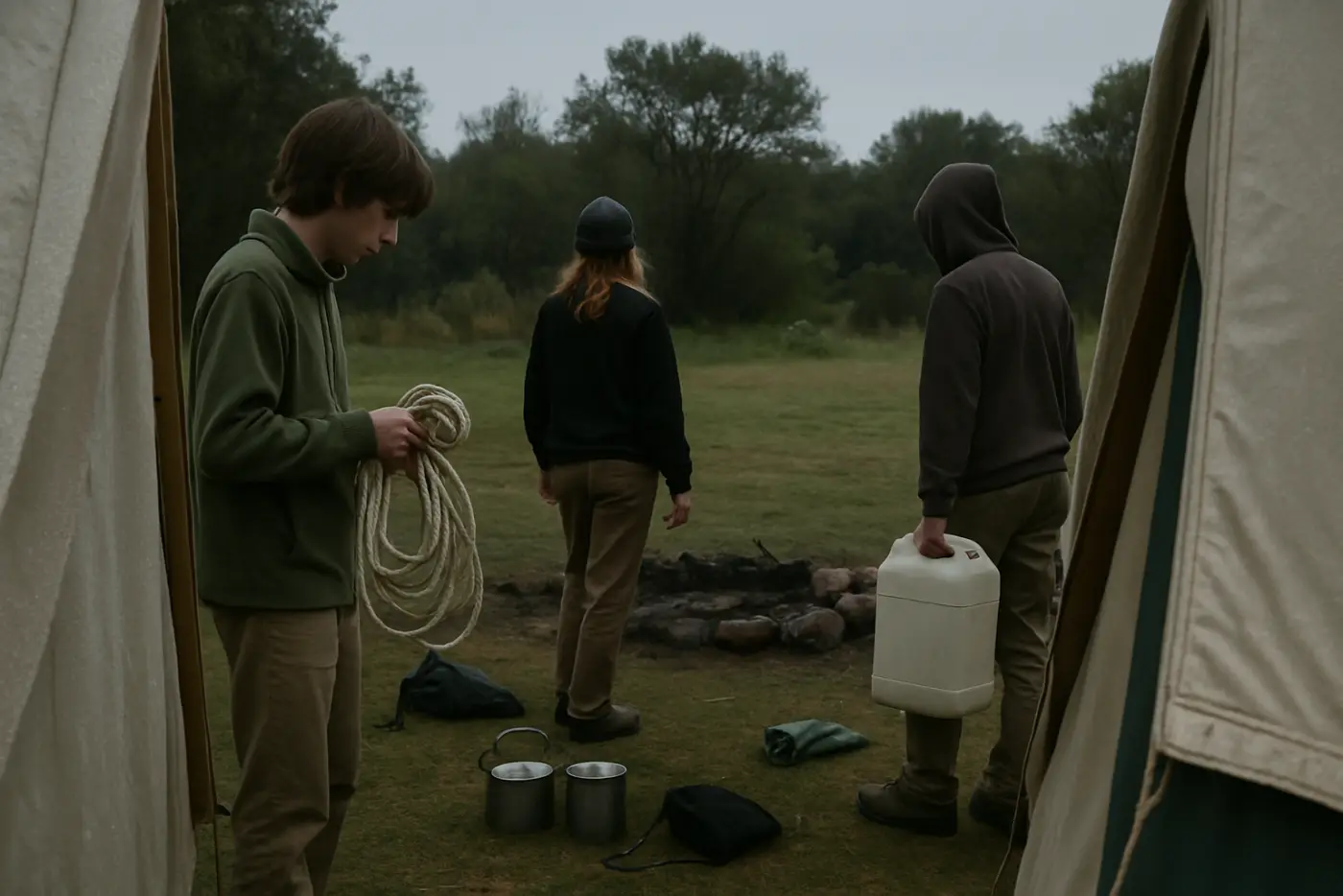
At a district or regional camp, leaders supervise young people from other groups and shifts change through the weekend. A verbal handover does not survive that. A colour on the wrist does, and it works at night, in the rain, and for the leader who arrived that afternoon.
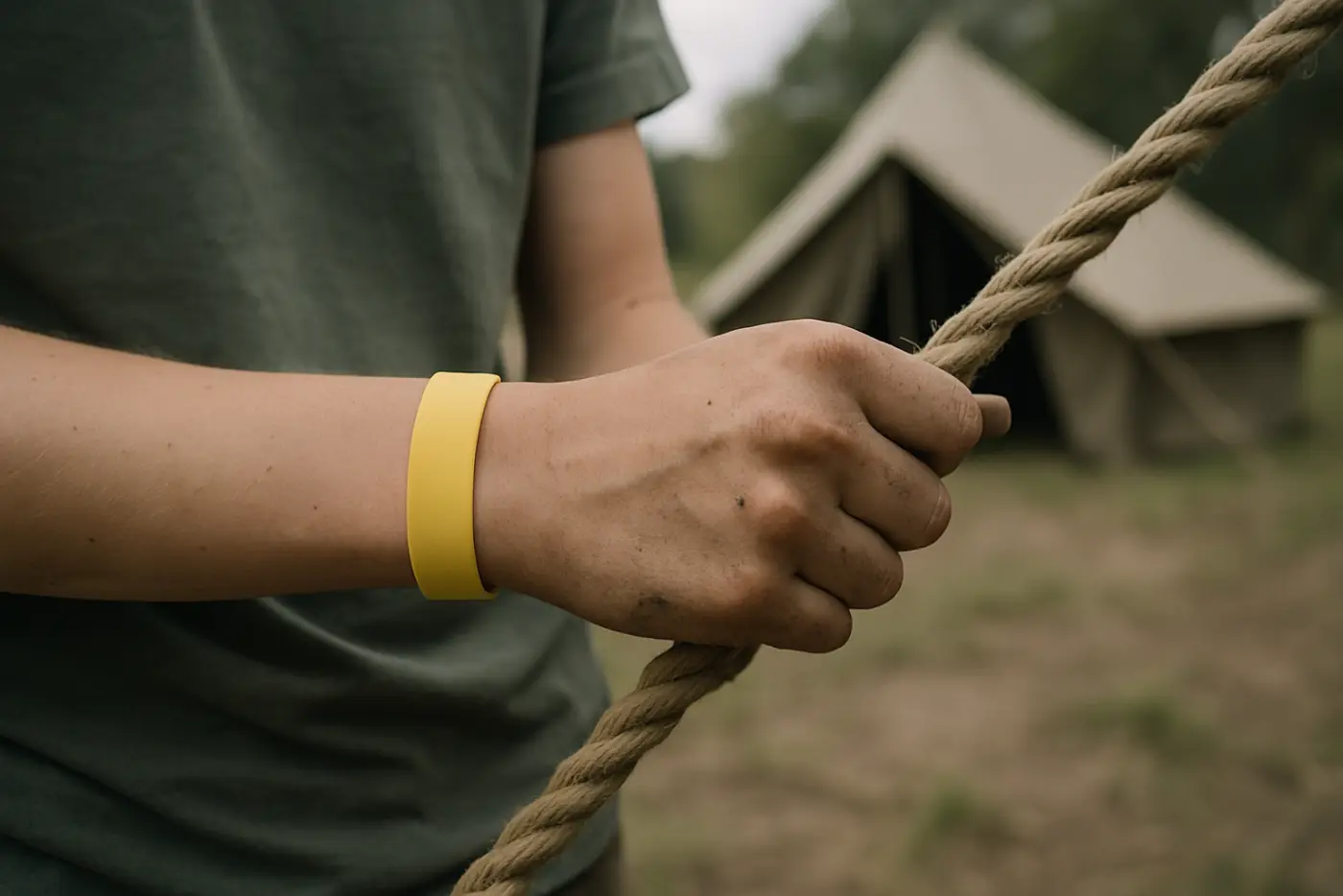
Patrol and unit colours make headcounts fast
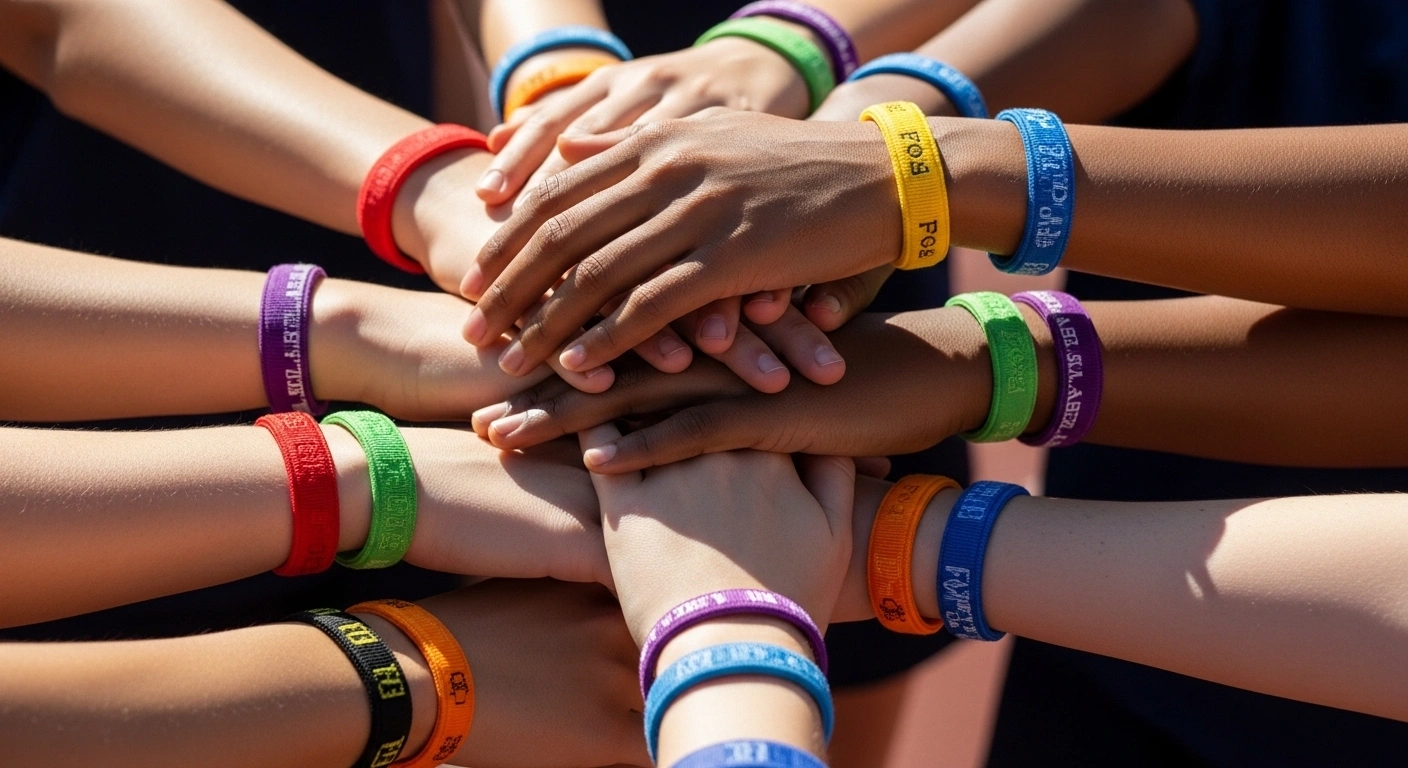
Camps run constant headcounts — before an activity, after an activity, before lights out. Colour-coding patrols turns each one into a visual sweep instead of a roll call. A solid colour band in each patrol colour is cheap enough to issue to a whole camp and durable enough for a week outdoors.
Recommended for you
Products related to this article
Hand-picked to go with what you just read.
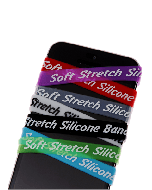
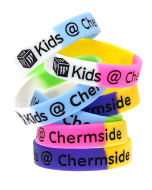
Activity rotations and qualification levels
Abseiling, canoeing, archery and the like each have their own competency requirement, and an instructor cannot check a paper list for every participant. Marking who is cleared for what means the instructor makes the call at the activity base. A four-colour band set covers several rotations without a separate order per activity.
Dietary and medical flags belong on the wrist
Catering at camp is done in bulk by volunteers, often at speed, and an allergy note in a folder is no use at the servery. A distinct colour prompts the server to check before plating. Keep the condition itself off the band — the colour cues the check, the paperwork holds the detail.
Something to keep at the end of camp
Camps end with badges and patches for a reason: young people keep them. A silicone tag on a pack works the same way, doubling as a name tag during the week and a keepsake afterwards, which is a better use of the same budget than a printed certificate.
Order once for the whole camp season
Youth organisations run several camps a year with overlapping groups, and ordering per camp costs more and risks running short. Buy patrol colours in bulk, store them labelled, and reuse — silicone survives repeated camps easily if it is washed between them.
Frequently Asked Questions
Quick answers from the Handband team
Why use wristbands at a youth camp?
Volunteer leaders rotate and supervise young people they do not know. A colour on the wrist survives handovers, weather and night.
How do wristbands speed up headcounts?
Patrol colours turn a roll call into a visual sweep, which matters when camps count before and after every activity.
Can wristbands mark activity qualifications?
Yes — mark who is cleared for abseiling, canoeing or archery so the instructor decides at the activity base, not from a list.
How should dietary needs be handled?
A distinct colour that prompts the server to check. Keep the condition off the band itself; the paperwork holds the detail.
Do young people keep them afterwards?
If there is something to keep. A silicone tag works as a name tag during camp and a keepsake after, like a badge does.
Should we order per camp or per season?
Per season. Ordering per camp costs more and risks running short mid-event.
Can bands be reused between camps?
Yes — silicone survives repeated camps if washed and stored by colour between them.

Written by
Founder, Handband
Founder of Handband; specialist in custom wristbands and promotional products for events, schools, charities, and brands.
← Previous
Fundraising Wristbands for Mens Health Campaigns
Next →
Bracelet Fundraiser for Child with Brain Tumor
Comment(s)