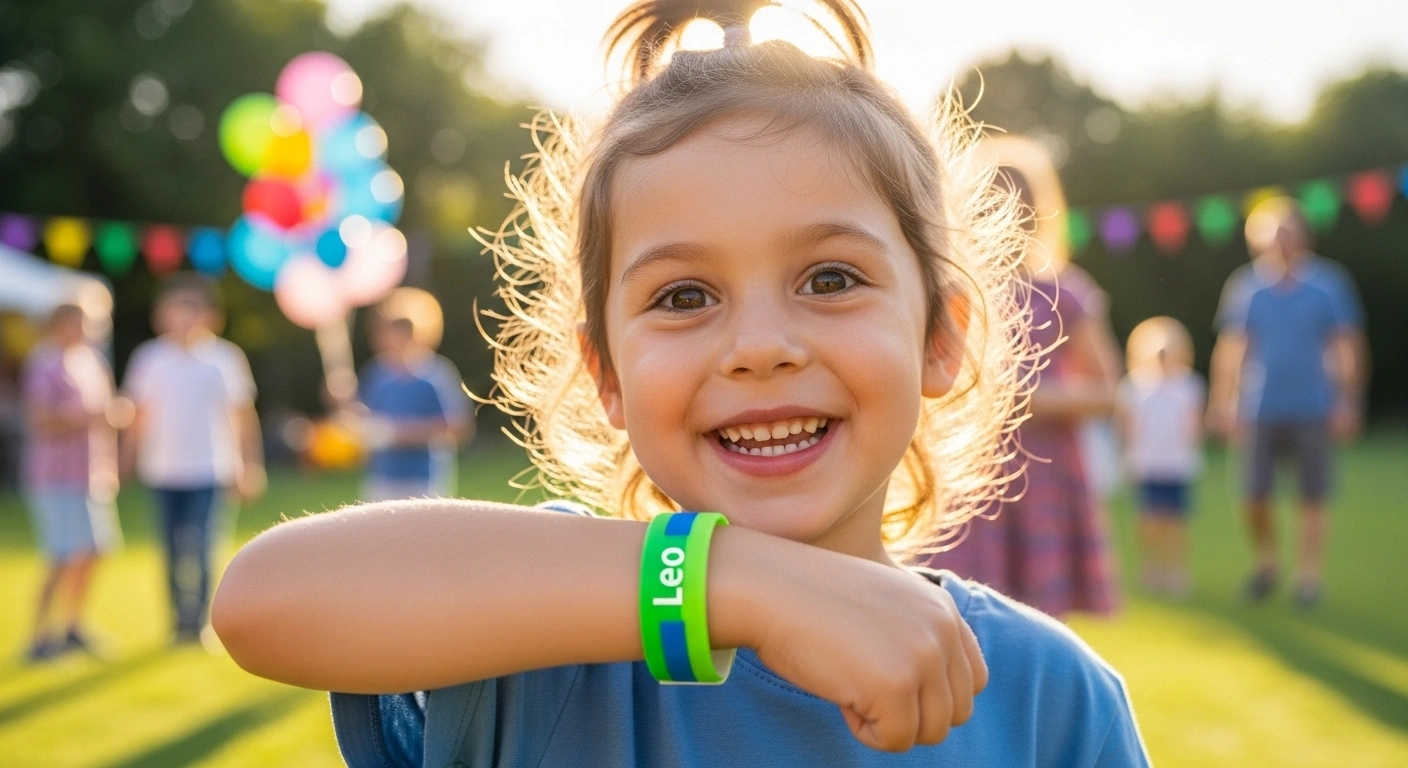
Wristbands for Young Children: Safety, Identification, Learning, and Fun Uses Every Parent Should Know

Why Wristbands Are More Useful Than You Think for Young Children
When most people think of wristbands, they imagine concerts, hospital patients, or charity causes. But for young children, wristbands offer a surprisingly wide range of practical, educational, and fun applications that parents and carers are only beginning to explore.
From crowded events where a child could wander off, to classrooms where emotional literacy matters, to birthday parties where every kid deserves a keepsake — wristbands offer a wearable solution that children actually enjoy. Let’s explore all the ways wristbands benefit young children and what to look for when choosing one.
Safety and Identification at Events and Public Places
The single most valuable use case for children’s wristbands is safety identification. At fairs, markets, sports days, theme parks, and school excursions, young children can become separated from their group in seconds. A wristband with a parent’s mobile number or a child’s name written on it can be the difference between a brief scare and a prolonged emergency.
What to Write on a Child’s Safety Wristband
Keep it simple: first name and a parent or guardian’s mobile number. Avoid including the child’s surname to maintain privacy. If the event has a specific meeting point, you can also write that. Silicone wristbands with a smooth surface accept permanent marker well and stay readable throughout a full day of activity.
Medical Information for Children With Conditions
Children with food allergies, asthma, diabetes, or other conditions can wear a wristband noting their condition and any critical actions. Teachers, excursion supervisors, and event staff can act quickly when a child is unable to communicate clearly — particularly important for children who are very young or have communication challenges.
Emotional Learning: Emotion Wristbands in the Classroom
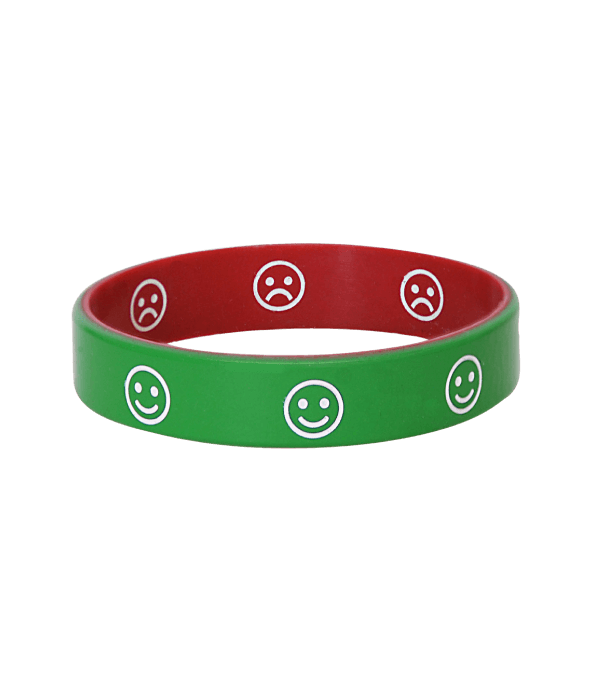
One of the most innovative uses of children’s wristbands comes from the classroom. Emotion wristbands — bands printed with feelings or mood indicators — help young children identify and communicate how they are feeling. This is especially valuable for children aged 3-7 who are still developing emotional vocabulary.
How Teachers Use Emotion Bands
Teachers give each student an emotion wristband at the start of the day. Children flip to the mood that matches how they feel. If a child shows “anxious” or “sad,” the teacher can check in early — before the mood affects learning or behaviour. Studies show that emotional check-ins improve classroom outcomes and reduce incidents.
Explore our educational wristbands for schools to find emotion bands and learning tools designed for young children.
Educational Wristbands: Learning While They Wear
Beyond emotion support, wristbands have found a firm place in educational settings as wearable learning tools. Mathematics wristbands, alphabet bands, and times table bands make revision portable and tactile — ideal for kinaesthetic learners who absorb information better through physical objects.
Times Tables on Their Wrist
Multibandz and similar educational wristbands print multiplication tables around the band. Children check their wrist during homework, class activities, or tests. The repeated visual reference reinforces memory formation, and the novelty of wearing schoolwork keeps children more engaged than a plain worksheet.
Colour Recognition and Alphabet Bands
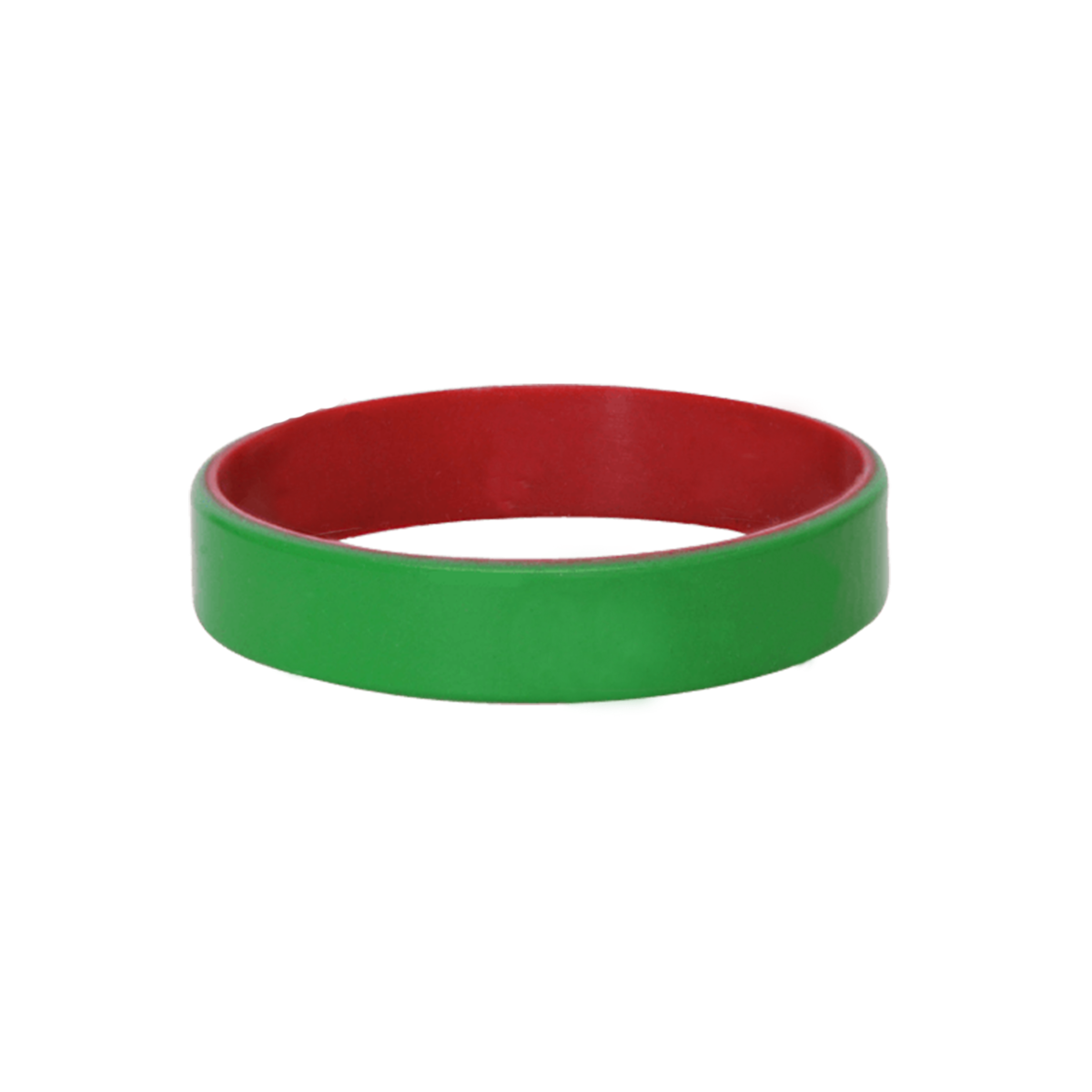
For the very youngest learners (ages 3-5), simple colour wristbands support colour recognition exercises. A red band in the morning, a blue one after lunch — wearing the colour makes the lesson tangible. Alphabet bands with letters printed around the circumference work similarly for early literacy development.
Fun Uses: Party Favours, Rewards, and Collections
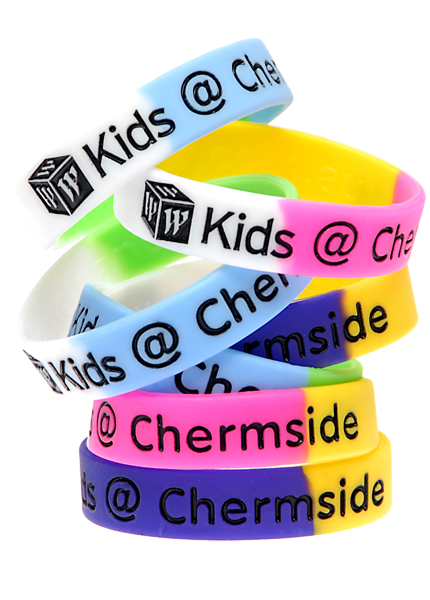
Not every wristband needs a serious purpose. For children, wristbands are genuinely fun to wear, trade, and collect. Brightly coloured or patterned bands are popular party bag fillers, reward tokens, and achievement markers.
As Party Favours
Personalised wristbands with a child’s name or a party theme make outstanding party bag inclusions. Unlike plastic trinkets that break immediately, a wristband is wearable and often kept for weeks. Children love comparing bands with friends after the party.
As Achievement Rewards
Schools, sports clubs, and after-school programs award wristbands for milestones: completing a reading level, scoring a goal, or demonstrating kindness. This creates a visible, wearable record of achievement that children wear with pride and parents notice.
As Collectibles
Children naturally collect things, and wristbands fit perfectly — lightweight, colourful, and stackable. Some schools run seasonal wristband programs where children earn different colours each term. The collection builds over the year, creating a tangible record of participation and growth.
Choosing the Right Wristband for a Child
Safety comes first. Ensure the wristband is appropriately sized for small wrists, made from non-toxic materials, and has no sharp edges or loose components that could present a choking hazard. Silicone wristbands are generally the safest option for children — they are stretchy, hypoallergenic, and durable.
For very young children (under 3), wristbands should only be used under direct adult supervision. Always check that the band is not too tight — one or two fingers should slip comfortably underneath. Browse our full range of wristbands to find the perfect match for your child’s needs.
Frequently Asked Questions
Are wristbands safe for toddlers and very young children?
Silicone wristbands are generally safe for young children as they are non-toxic, flexible, and hypoallergenic. Always ensure the band fits correctly — not too tight, and not loose enough to be removed and potentially chewed. Supervise very young children at all times when wearing any wristband.
What is the best type of wristband for writing a child's contact details on?
Silicone wristbands with a smooth debossed surface or a blank writing area work best. Permanent marker adheres well to smooth silicone and remains readable throughout a day of outdoor activity. Alternatively, choose a wristband specifically designed with a writing panel for safety identification.
How do emotion wristbands work in schools?
Emotion wristbands typically feature printed faces or words representing different feelings. At the start of the day or a class, children flip or point to the emotion that matches their current mood. Teachers use this information to identify children who may need extra support before the feeling escalates.
Can I wash a child's wristband?
Most silicone wristbands can be rinsed under water and wiped clean with mild soap. Fabric wristbands may need hand washing to preserve print quality. Check care instructions when ordering — most of our silicone bands are water resistant and suitable for active children.
April 12, 2026

Share on Facebook

Share on X

Share on Pinterest
Comment(s)
Recent Posts