How to Stick to Your New Year's Resolutions: Goal-Setting Tips and Motivational Wristband Ideas

Why New Year's Resolutions Fail — and How to Change That
The statistics on New Year's resolutions are sobering: research consistently shows that the vast majority of resolutions are abandoned within weeks. By mid-January, the gyms that were packed on the 2nd are thinning out. By February, the food journals sit blank, the language apps sit unopened, and the ambitious plans made in the optimistic glow of a new year have faded back into the routine.
Why does this happen so reliably? The core problem is the gap between intention and behaviour change. Setting a resolution is easy — it feels good, it's motivating in the moment, and it requires no immediate action. Actually changing behaviour is hard — it requires sustained effort, discomfort, and persistence through setbacks. Without the right systems in place, good intentions are no match for ingrained habits and the demands of daily life.
The good news is that behavioural science has taught us a great deal about what actually works. This guide covers evidence-based strategies for sticking to your goals in the new year, including some creative uses of motivational accessories like wristbands that may surprise you.
Set Smarter Goals: The Difference Between Vague and Vivid
The quality of your goal matters as much as your commitment to it. Vague goals — "get fit," "eat better," "save more money" — are almost impossible to act on because there is no clear success criterion. When did you "get fit" enough? What exactly counts as "eating better"? Without specificity, you can always rationalise that you're making progress while actually standing still.
The well-known SMART framework (Specific, Measurable, Achievable, Relevant, Time-bound) is popular for good reason. A SMART goal gives you something concrete to work toward and a clear way to measure progress:
- Vague: "I want to exercise more."
- SMART: "I will run 5km three times per week for the next 12 weeks."
- Vague: "I'll save more money."
- SMART: "I will transfer $200 to savings on the first of every month for six months."
The more vivid and specific the goal, the easier it is to track, the harder it is to rationalise away, and the more satisfying it feels to achieve.
The Power of Habit Stacking
One of the most effective techniques from behavioural science for building new habits is "habit stacking" — attaching a new behaviour to an existing habit that is already firmly established. The formula is: "After/before I [existing habit], I will [new habit]."
For example:
- "After I pour my morning coffee, I will write three things I'm grateful for."
- "Before I check my phone in the morning, I will do ten minutes of stretching."
- "After I put my bag down when I get home, I will drink a glass of water."
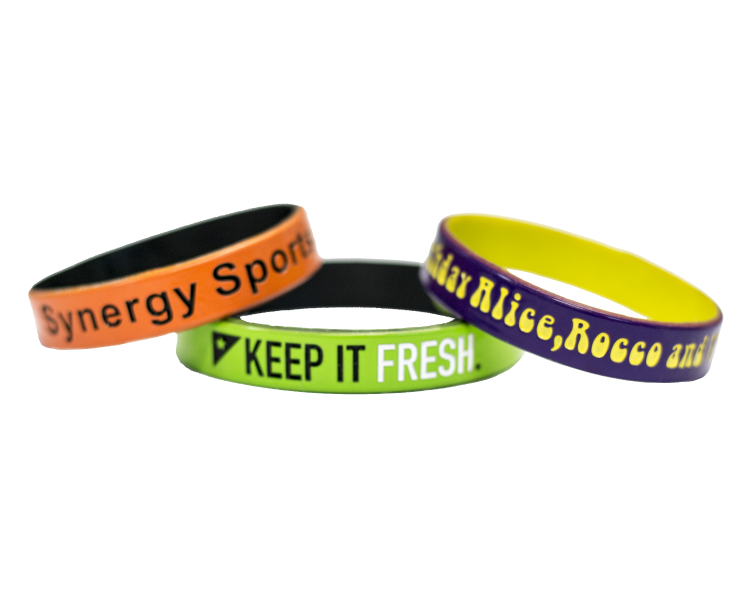
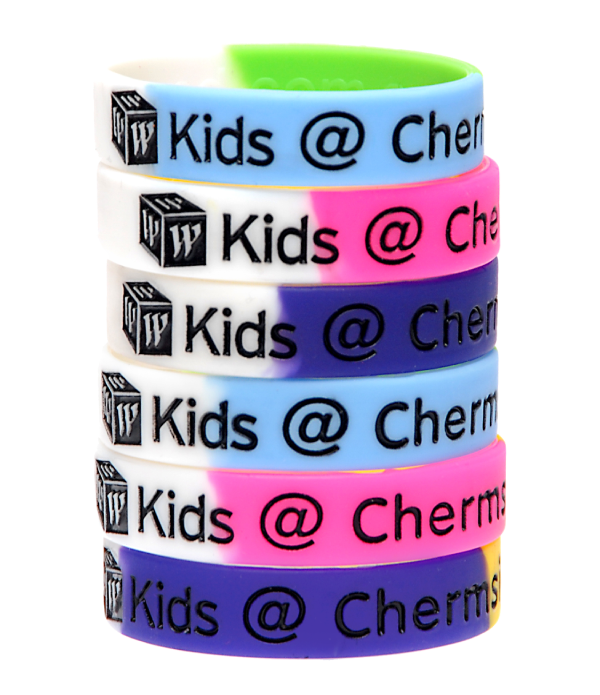
Wristbands can act as a physical prompt within habit stacking. Wearing a specific band is itself a cue — every time you notice it on your wrist, it reminds you of your intention. Over time, the act of putting on the wristband in the morning becomes part of a goal-setting ritual that anchors the day's intentions. Browse our silicone wristbands for motivational options.

Accountability: The Missing Ingredient in Most Resolution Strategies
Study after study shows that people who share their goals with others and create accountability structures are significantly more likely to achieve them. Accountability works through two mechanisms: social expectation (you don't want to let someone down) and external monitoring (someone else is watching your progress, which increases your own attention to it).
Accountability Partners
Find someone — a friend, family member, or colleague — who is also working toward a goal and agree to check in with each other regularly. The check-in doesn't need to be lengthy; even a weekly message sharing your progress creates enough accountability to significantly increase follow-through.
Matching wristbands worn by both accountability partners create a visual, physical reminder of the shared commitment. Every time you look down and see the band, you think of your partner and your shared goal — a small but powerful motivational nudge. For groups working toward shared goals, custom wristbands with a shared slogan or colour create group identity and mutual accountability.
Public Commitment
Making a goal public — sharing it on social media, telling colleagues, or joining a community working toward the same goal — increases commitment through reputation. The risk of public failure (or the reward of public success) is a powerful motivator. Wristbands that display your goal or intention can serve as a form of public commitment: people will notice and ask, which creates natural accountability conversations.
Tracking Progress: What Gets Measured Gets Done
Regular progress tracking is one of the most consistently effective habit-building strategies. The simple act of marking off a completed habit on a tracker — whether in an app, a journal, or a physical chart — creates a sense of momentum and satisfaction that motivates continued effort. The famous "don't break the chain" strategy leverages this: once you have a streak of consecutive days, the desire not to break it becomes its own motivator.
For physical activities, a wristband-based tracking system works well. Some people wear multiple thin wristbands and remove one each week when they hit a milestone, or switch wristband colours to mark different phases of their goal journey. This tactile, visible system of progress is far more motivating than a number in a spreadsheet for many people.
Resilience: Planning for Setbacks Before They Happen
Every resolution-keeper eventually faces a setback. A missed workout, an indulgent weekend, a skipped study session. The difference between those who give up and those who ultimately succeed is not whether they face setbacks — everyone does — but how they respond to them.
The most effective strategy is what psychologists call "if-then planning" or "implementation intentions": deciding in advance how you will respond to specific obstacles. "If I miss a Monday workout, then I will do it on Tuesday morning before work." Having a pre-decided response to failure reduces the cognitive load and emotional cost of getting back on track.
A motivational wristband can serve as a resilience anchor in this context — a physical reminder of your commitment and your values that you can look at in moments of temptation or discouragement. Many people find that a simple tactile reminder (touching or looking at a wristband) is enough to reconnect with their "why" and choose the harder but more aligned option. For more inspiration on goal-setting accessories, browse our full product range or see our custom branding options.
Frequently Asked Questions
Why do most New Year's resolutions fail?
Most resolutions fail because they are set as vague intentions without specific plans, tracking systems, or accountability structures. Motivation is high in early January but inevitably dips — without habit-based systems in place before the motivation fades, most goals are quietly abandoned. SMART goal-setting, habit stacking, and accountability partners all significantly improve success rates.
How can wristbands help with sticking to goals?
Wristbands serve as physical anchors for goal commitment. Wearing one creates a daily visual and tactile reminder of your intention. Custom wristbands with a motivational word or phrase add specificity. Matching wristbands with an accountability partner create mutual commitment. They can also be used as milestone rewards — earning a new wristband at each goal checkpoint.
What is habit stacking and how do I use it?
Habit stacking is attaching a new desired behaviour to an existing habit using an 'after/before I [existing habit], I will [new habit]' formula. Because the existing habit is already automatic, it serves as a reliable trigger for the new behaviour. This reduces the cognitive effort required to remember and initiate the new habit, making it much more likely to stick.
How many resolutions should I set for the new year?
Research suggests that focusing on fewer goals significantly increases success. One to three well-defined goals receive more attention and effort than a long list of ambitions. Choose the goals that matter most, set them specifically, and build systems to support them. Once those habits are established, you can add new goals.
April 12, 2026

Share on Facebook

Share on X

Share on Pinterest
Comment(s)
Recent Posts