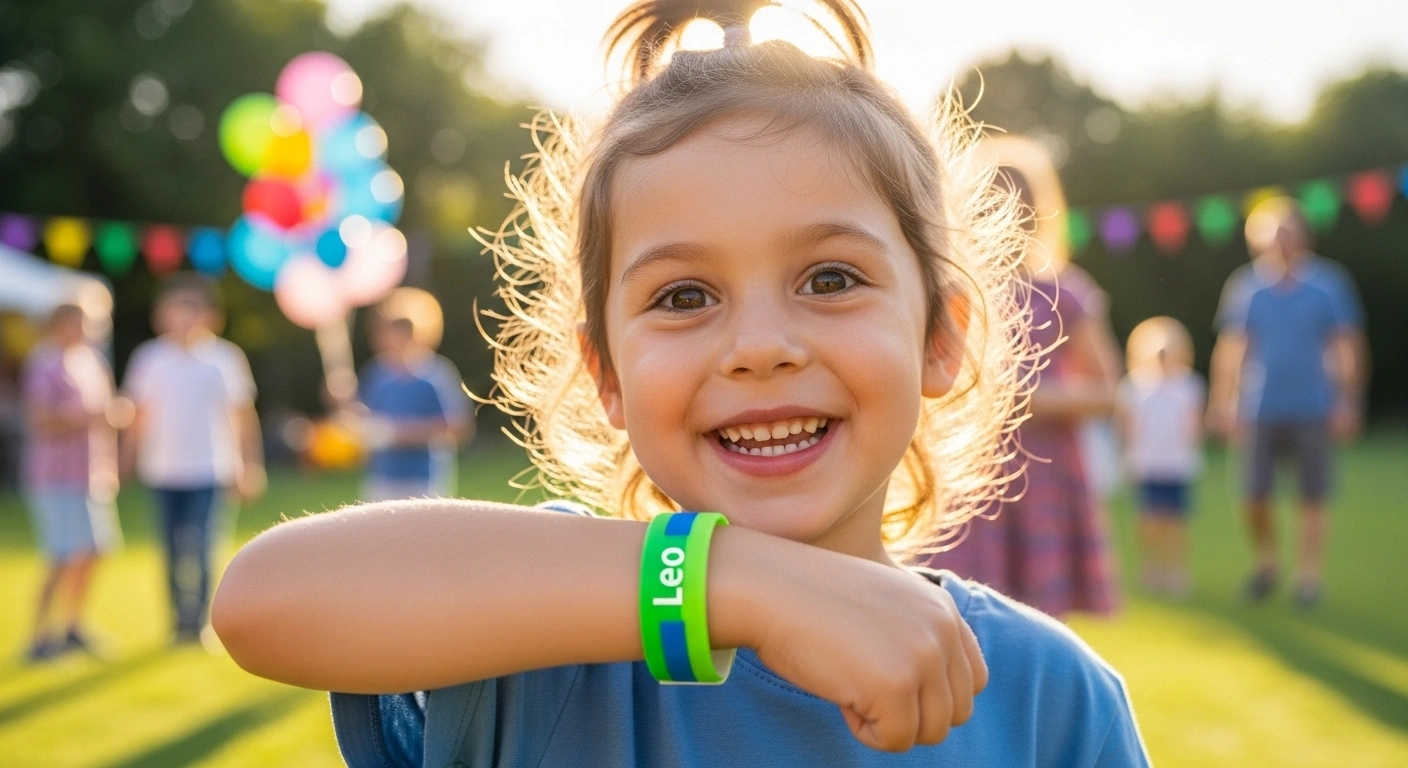
How Wristbands Benefit Older People: Medical Alerts, Daily Reminders, and Social Connection
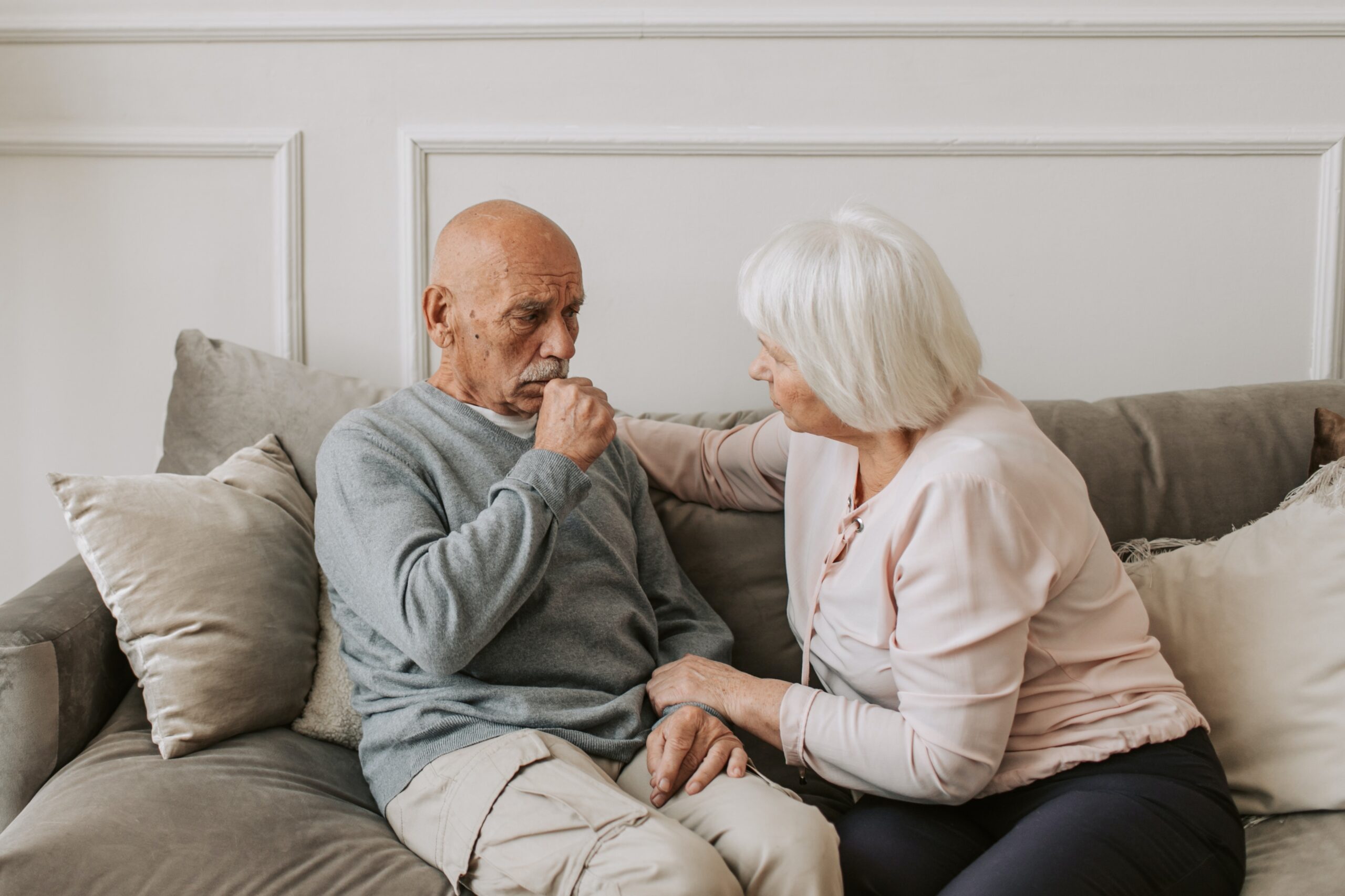
The Practical Case for Wristbands for Older Adults
Wristbands are often associated with youth — concert-goers, festival crowds, sports teams. But older adults have a quietly compelling set of reasons to wear a wristband, and those reasons are far more practical than fashion.
From medical alert identification to daily medication reminders, from memory care support to social participation in community events, wristbands offer a comfortable, non-stigmatising, always-visible form of personal communication. This guide explores the full range of benefits older adults can gain from wearing a well-chosen wristband.
Medical Alert Wristbands: The Safety Case
For older adults managing chronic conditions — diabetes, heart conditions, severe allergies, blood thinning medication, epilepsy — a medical alert wristband can be lifesaving in an emergency. When a person cannot communicate clearly (due to unconsciousness, stroke, confusion, or a fall), first responders and bystanders need immediate access to critical medical information.
What to Include on a Medical Alert Wristband
Essential information: full name, primary condition (e.g. “TYPE 1 DIABETES”), any critical medication (e.g. “TAKES WARFARIN”), key allergies (e.g. “ALLERGY: PENICILLIN”), and an emergency contact number. Keep it concise — first responders need information at a glance, not a biography.
Who Should Wear One
Any older adult who lives alone, travels independently, has a condition that could cause sudden incapacitation, or takes medication that affects emergency treatment should consider wearing a medical alert wristband. The American Red Cross and equivalent organisations in other countries actively recommend them for older adults living independently.
Explore our custom silicone wristband range for medical alert and personal identification options.


Daily Reminders and Medication Management
Beyond emergency scenarios, wristbands can support daily routines for older adults. Write-on silicone bands allow carers or the wearer to note daily medication times, appointments, or tasks directly on the band. The wristband becomes a wearable to-do reminder — always visible, never misplaced.
Supporting People With Dementia or Memory Challenges
For older adults experiencing memory challenges, a wristband with their name, address, and a carer’s contact number provides a layer of safety if they become disoriented in public. This is a simple, non-invasive alternative to GPS devices and one that many individuals find less intrusive or stigmatising.
Aged care facilities and memory support programs have increasingly adopted wristbands as standard identification tools — not as restrictions, but as dignified, discreet information carriers that give staff and emergency services immediate context.
Community Events, Group Activities, and Social Connection
Older adults who participate in group activities — bowling clubs, community choirs, seniors social groups, charity walks — often receive event wristbands as part of their participation. These bands create a shared visible identity within the group, reinforcing the sense of belonging that social research consistently links to better mental health and longer life expectancy.
Fundraising Wristbands for Senior Groups
Many seniors groups run fundraising campaigns using wristbands: for local hospitals, community halls, charity causes they personally care about, or tribute events for members who have passed. Participating in the sale and wearing of the band reinforces group purpose and connection — powerful factors for wellbeing in later life.
Choosing a Comfortable Wristband for Older Adults
Older skin can be more sensitive than younger skin, so material choice matters. Medical-grade silicone is hypoallergenic and gentle on skin. Avoid bands with rough edges or sharp hardware. Elastic fabric bands are particularly comfortable for people who may struggle to put on or remove a fixed-closure band independently.
For people with arthritis or reduced hand strength, look for bands that can be slipped on over the hand without requiring clasps or closures. A slim, smooth silicone band is usually the easiest option for full-time wear.
Browse our fast turnaround wristband range if you need bands quickly for an upcoming seniors event or community care program.
Frequently Asked Questions
What is the best wristband material for older adults with sensitive skin?
Medical-grade silicone is the safest option for sensitive skin — it is hypoallergenic, non-porous, and free from latex and harmful plasticisers. Elastic fabric bands are also gentle and easy to put on without requiring fine motor strength. Avoid PVC bands with painted surfaces if skin sensitivity is a concern.
What information should an elderly person have on their wristband?
At minimum: full name, primary medical condition (if applicable), critical medication (e.g. blood thinners), key allergies, and an emergency contact number. Keep the wording brief and use clear, capital lettering for easy reading under stress. Some people also include their GP or local hospital details.
Are wristbands used in aged care facilities?
Yes. Many aged care and memory support facilities use wristbands as part of resident identification and safety protocols. Wristbands can carry name, room number, dietary requirements, and medical flags. They are particularly useful for residents who experience confusion and may not be able to communicate their information clearly.
How do I order a wristband as a gift for an elderly relative?
Browse our custom wristband options, choose an appropriate style (silicone debossed is a popular choice), enter the personal information you want on the band, and order in their wrist size. Most silicone bands are made in a standard adult size that fits most wrists, but check the sizing details when ordering. A small quantity order is fine for personal gifting.
April 12, 2026

Share on Facebook

Share on X

Share on Pinterest
Comment(s)
Recent Posts