Are Wristbands Eco-Friendly? A Complete Guide to Sustainable Wristband Materials and Choices
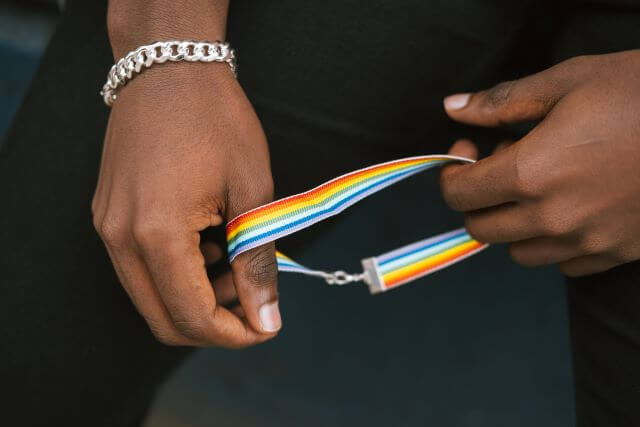
The Growing Question: Are Wristbands Eco-Friendly?
As environmental awareness grows, more event organisers, businesses, and consumers are asking important questions about the sustainability of the products they use — including wristbands. If you are planning an event, running a fundraiser, or ordering custom merchandise, it is worth understanding what your wristbands are made from, how long they last, and what happens to them at end of life.
The honest answer is nuanced. Some wristband materials are significantly more sustainable than others, and the most eco-friendly choice depends on your specific use case. This guide breaks down the environmental profile of each major wristband material so you can make an informed, responsible decision.
Silicone Wristbands: Durability as Sustainability
What Is Silicone Made From?
Silicone is derived from silicon, which comes from silica — one of the most abundant minerals on earth. It is not petroleum-based like many plastics, which gives it a better environmental origin story. However, the manufacturing process does require energy and chemical processing, so it is not without footprint.
The Durability Argument
Where silicone wins on sustainability is longevity. A high-quality silicone wristband can last 10 years or more with regular wear. Compared to single-use plastic wristbands, a silicone band that gets worn for a decade has an infinitely better environmental impact per year of use. The best environmental choice is often not the most "natural" material, but the product that lasts longest and eliminates repeat purchases.
Silicone wristbands are also non-toxic, hypoallergenic, and safe for skin contact. They do not leach chemicals and are generally considered food-grade safe. Explore our silicone wristband range for durable, long-lasting options.
Bamboo and RPET Fabric Wristbands: Sustainable Materials
Bamboo Fabric
Bamboo is one of the most sustainable plants on earth. It grows faster than any other plant, requires no pesticides, regenerates from its own roots, and sequesters significant carbon. Bamboo fabric wristbands offer a genuinely natural, renewable option for events and organisations that want to minimise environmental impact at every touchpoint.
RPET (Recycled Polyethylene Terephthalate)
RPET is fabric made from recycled plastic bottles. Choosing RPET wristbands directly diverts plastic from landfill and waterways. The production of RPET fabric uses significantly less energy and water than virgin polyester. For events with a strong sustainability brand or environmental mission, RPET wristbands are a powerful statement of values.


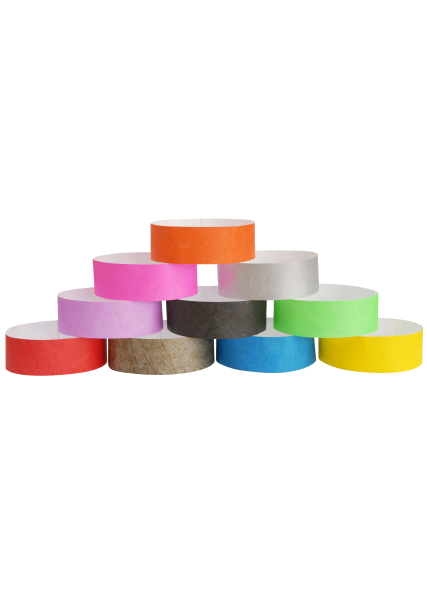
Tyvek Wristbands: Recyclable Single-Use
Tyvek is a unique material — a high-density polyethylene (HDPE) fibre product that looks like paper but is actually recyclable plastic. For events where single-use wristbands are necessary (concerts, sporting events, day festivals), Tyvek is more environmentally responsible than many alternatives because it is technically recyclable through appropriate facilities.
Tyvek is also extremely resource-efficient to manufacture compared to fabric. Its lightweight nature reduces transport emissions relative to heavier fabric alternatives. For single-day events, Tyvek remains the most practical and cost-effective entry wristband, and its recyclability makes it a more considered choice than PVC plastic alternatives.
How to Run an Eco-Friendly Event with Wristbands
Choose Reusable Over Single-Use Where Possible
For multi-day events, always opt for durable fabric or silicone wristbands over Tyvek. A fabric wristband that serves 3 days eliminates 3 single-use bands. For recurring events (annual festivals, weekly markets), consider a durable wristband system where the same bands are collected and redistributed rather than discarded.
Set Up a Collection Point
Place clearly labelled collection bins at event exits so departing guests can remove and deposit their wristbands for recycling or reuse. Some organisations launder fabric wristbands and redistribute them at subsequent events — an excellent circular economy approach that dramatically reduces ongoing material consumption.
Communicate Your Choices to Guests
If you have made the effort to source eco-friendly wristbands, tell people. A small card at registration explaining the wristband material and disposal instructions reinforces your organisation’s environmental credentials and educates guests. Sustainability choices that are made invisibly miss a valuable communication opportunity.
The Bottom Line on Wristband Sustainability
No wristband is perfectly zero-impact, but some are significantly better than others. For ongoing personal wear, a durable silicone band that lasts years is the most sustainable choice. For premium events with a sustainability brand, bamboo or RPET fabric wristbands make a genuine statement. For single-day events where entry management is the priority, Tyvek is the most responsible single-use option.
Whatever your event type, the most important question is: "What material lasts longest for this specific use case?" Choosing for durability is almost always the most sustainable choice. Browse our full wristband product range to compare materials and find the right option for your sustainability goals. For events planning, also explore our event wristband solutions.
Frequently Asked Questions
April 12, 2026

Share on Facebook

Share on X

Share on Pinterest
Comment(s)
Recent Posts