
Family finances feel impossible to manage when both partners are exhausted, kids need things, and the world keeps tempting everyone with subscriptions and impulse buys. The fixes that actually work — written budgets, automated savings, weekly check-ins — all benefit from one missing piece: a visible daily reminder that nudges the next decision.
A custom Handband budgeting wristband is the cheapest visible cue available. Below is how families use them to stick to financial goals and teach kids early about money.
The Habit-Stacking Logic
Behaviour change research consistently finds that simple visible cues triple habit-formation success rates. The wristband is in your field of view every time you check the time, fill the kettle or open the app store. A daily reminder of “Save First” or “[Year] Goals” nudges the next decision better than willpower alone.
Real-World Patterns That Work
- Family savings target. Matching bands per family member with a shared goal (“Bali 2026”, “Debt Free”).
- Couple budget pledge. Two engraved bands with the same monthly check-in date.
- Kids’ saving system. Weekly band award for hitting saving target. Stack them up.
- Coffee-cup band. Reusable cup band saves 50c per cafe visit — pays for itself in weeks.
Recommended for you
Products related to this article
Hand-picked to go with what you just read.
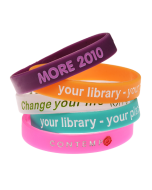
Designing a Budget Wristband
- Keep the slogan under 4 words. Long messages are invisible at glance distance.
- Pick a calming colour. Green (money), blue (calm), or family-favourite for visual coordination.
- Use debossed engraving. Engraved text never fades.
- Pair it with a written goal. The band reinforces the goal — it doesn’t replace it.
Pair Bands With Real Budgeting Tools
- A simple monthly budget written on the fridge.
- Automated savings transfer on payday.
- A weekly 15-minute family money check-in.
- A budgeting app for streak data.
- A 24-hour wait rule before any non-essential purchase over $50.
Teaching Kids About Money Through Wristbands
Kids respond to visible progress. Award a band per week of meeting their saving target. Stack them up. By Year 6 some kids wear 5–7 bands — a visible record of their saving journey. Pair with a glass jar at home where they can see the cash growing.
A Cheap Cue That Compounds
A budget wristband won’t pay off your mortgage by itself. But used as a visible daily reminder of the family’s shared financial goal, it nudges hundreds of small decisions in the right direction over a year. The compounding effect on savings, debt and stress is one of the highest-ROI behaviour changes a family can make.
Frequently Asked Questions
Can a wristband actually help with family budgeting?
On its own, no. But used as a daily reminder of the family’s financial goal (e.g. holiday savings, debt repayment, emergency fund), it works the same way habit-tracking apps do — a visible cue at the moment of decision.
What kind of pledge works on a budgeting band?
Short and personal. “Save First”, “[Year] Goals”, “Coffee At Home”, “No Impulse Buys”. Engraved (debossed) text doesn’t fade. Family bands work especially well when everyone wears the same colour and slogan.
How can I teach kids about saving with a wristband?
Pair Multibandz times-tables wristbands with a saving system — a band per week of meeting the saving target. Kids respond to visible progress more than to abstract money concepts.
Does the coffee-cup band actually save money?
A reusable coffee-cup band reminds the wearer to bring their own cup to the cafe. Most cafes give a 50c discount per visit. Used twice a week, the band saves around $50 a year per wearer — many times the cost of the band itself.
How can wristbands help a couple stick to a budget together?
Matching bands engraved with the shared financial goal turn budgeting into a small daily team commitment. Many couples find seeing their partner wearing the same band reinforces the agreement — especially around impulse buys.

Written by
Founder, Handband
Founder of Handband; specialist in custom wristbands and promotional products for events, schools, charities, and brands.
← Previous
Bracelets Honor Kallus: How Cancer-Tribute Wristband Fundraisers Work (2026)
Next →
Why Complaining Is Bad for You — And How a Wristband Helps Break the Habit (2026)
Comment(s)