
The American Cancer Society’s Making Strides Against Breast Cancer walks consistently raise tens of millions of dollars across the US every October. Smaller community walks — like the Litchfield walk that aimed for $100,000 — show the same model works at every scale, with custom wristbands sitting at the centre of the fundraising plan.
Below is how charity walks structure their fundraising, where wristbands fit, and how a community group can run a walk that hits a serious dollar target.
The Three Income Streams of a Charity Walk
- Pre-walk pledges per participant. Each walker raises sponsor money in the weeks leading up.
- Day-of registration fees. A flat $20–$50 entry per walker.
- Merchandise and food sales. T-shirts, wristbands, water bottles, refreshments at the start/finish lines.
Where Wristbands Fit In
- Entry ID on registration — cheap Tyvek band.
- Drink/food tokens with tear-off tabs — Drink & Food Token Band.
- Branded keepsake participants wear afterwards — custom debossed silicone.
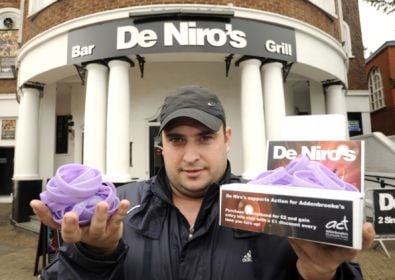
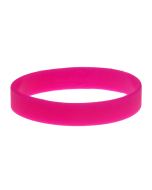
- Pre-event fundraising — pink wristbands sold at $5 to friends, family, businesses.
Recommended for you
Products related to this article
Hand-picked to go with what you just read.
The Maths Behind a $100,000 Walk
- 500 participants x $200 average pledge = $100,000.
- Major sponsor packs ($1,000–$10,000 each from local businesses) = $5,000–$25,000.
- Day-of registration ($30 x 500) = $15,000.
- Merchandise ($10 average x 500) = $5,000.
- Combined target: easily $125,000+ for a well-run mid-size walk.
Running the 12-Week Lead-Up
- Week 12: confirm date, route, charity partner. Order 1,000 pink wristbands.
- Week 10: launch online registration page. Recruit team captains.
- Week 8: secure major sponsors. Pre-sell wristbands at local cafes and businesses.
- Week 6: launch social-media campaign. Schools and workplaces share with their networks.
- Week 4: print event day program. Order Tyvek and token bands.
- Week 2: final volunteer briefings. Walk-of-fame photo shoot for big donors.
- Week 0: the walk.
- Week +2: publish total raised. Public thank-you post for sponsors and team captains.
Beyond the Walk
The wristbands stay on for months afterwards, generating ongoing awareness for the cause. Many walks use the same band design year after year — supporters collect the year-stamps as a personal record of participation.
Brief our team with your walk goal, expected headcount and timeline. We’ll come back with the right combination of products and a delivery date.
Frequently Asked Questions
How do charity walks like Making Strides Against Cancer raise large sums?
Three components: pre-walk pledges per participant, day-of registration fees, and merchandise sales (wristbands, t-shirts, water bottles). The biggest walks combine all three. Per-participant fundraising targets typically range from $100 to $500.
How can wristbands be used at a charity walk?
Three uses on the day: (1) entry/registration ID, (2) drink and food token tracking, (3) participant keepsake worn for months afterwards. Bulk Tyvek bands handle entry; custom silicone bands work as the day’s souvenir.
What pre-walk fundraising activities work best?
Online pledge pages, business sponsor packs, bake sales, dress-down days at school, raffle of a major prize. Wristband sales 4–6 weeks pre-event drive both money and visibility.
How early should I order wristbands for a major walk?
Plan 6–8 weeks ahead. Custom debossed bands take 2–3 weeks production; allow buffer for shipping and on-site setup. Stock pink and Tyvek bands ship within days for last-minute additions.
How can a small community walk realistically raise $100,000?
Combine 500 participants raising $200 each ($100,000) with sponsor matching ($10,000+) and merchandise sales (another $5,000+). Charity walk benchmarks consistently show this is achievable in any town with 5,000+ residents and a coordinated 12-week lead-up.

Written by
Founder, Handband
Founder of Handband; specialist in custom wristbands and promotional products for events, schools, charities, and brands.
← Previous
Kicking Cancer for Emily: How Community Cancer Fundraisers Work (2026)
Next →
Welcoming Minors at Shows: How Wristband ID Systems Make All-Ages Events Safe (2026)
Comment(s)