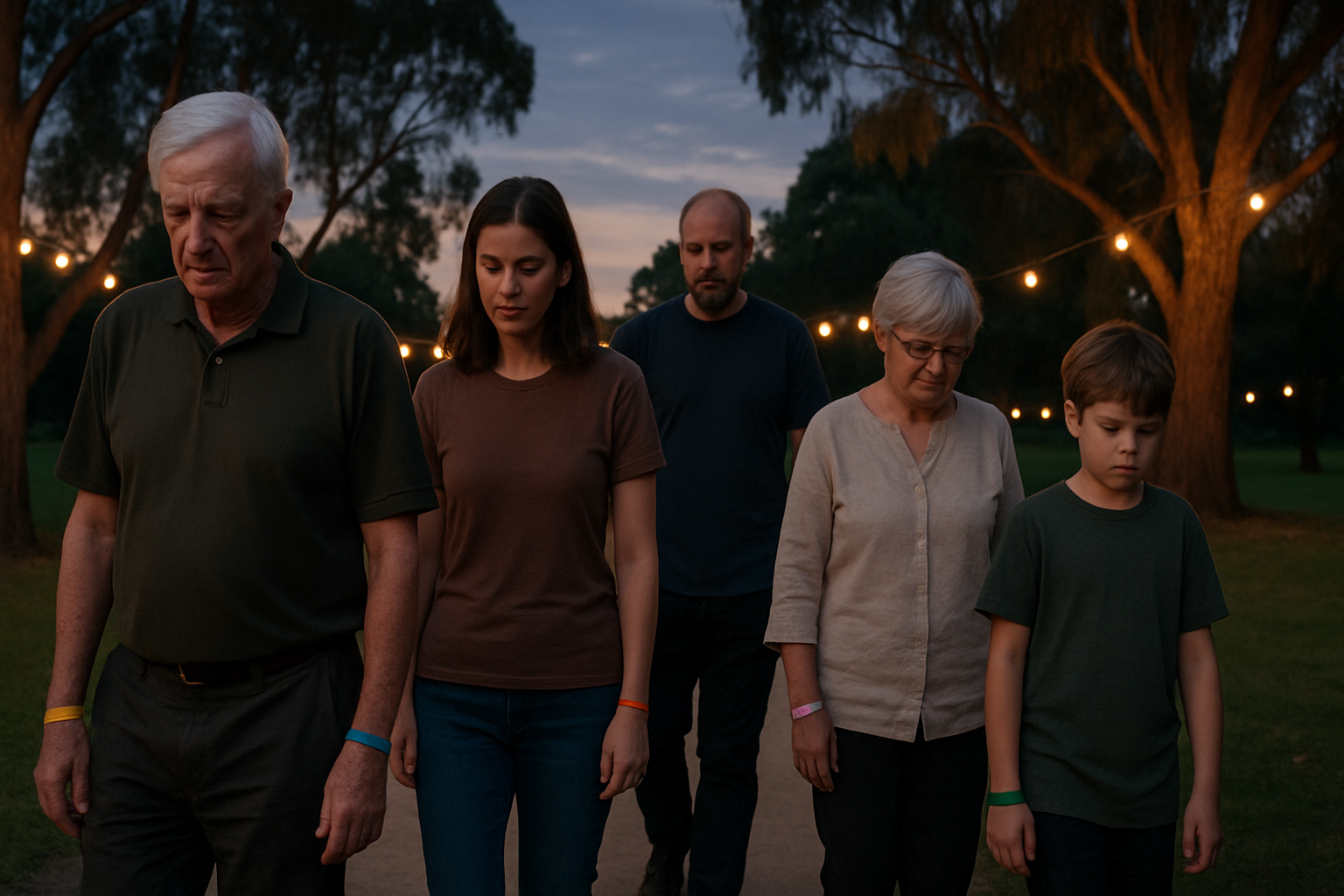
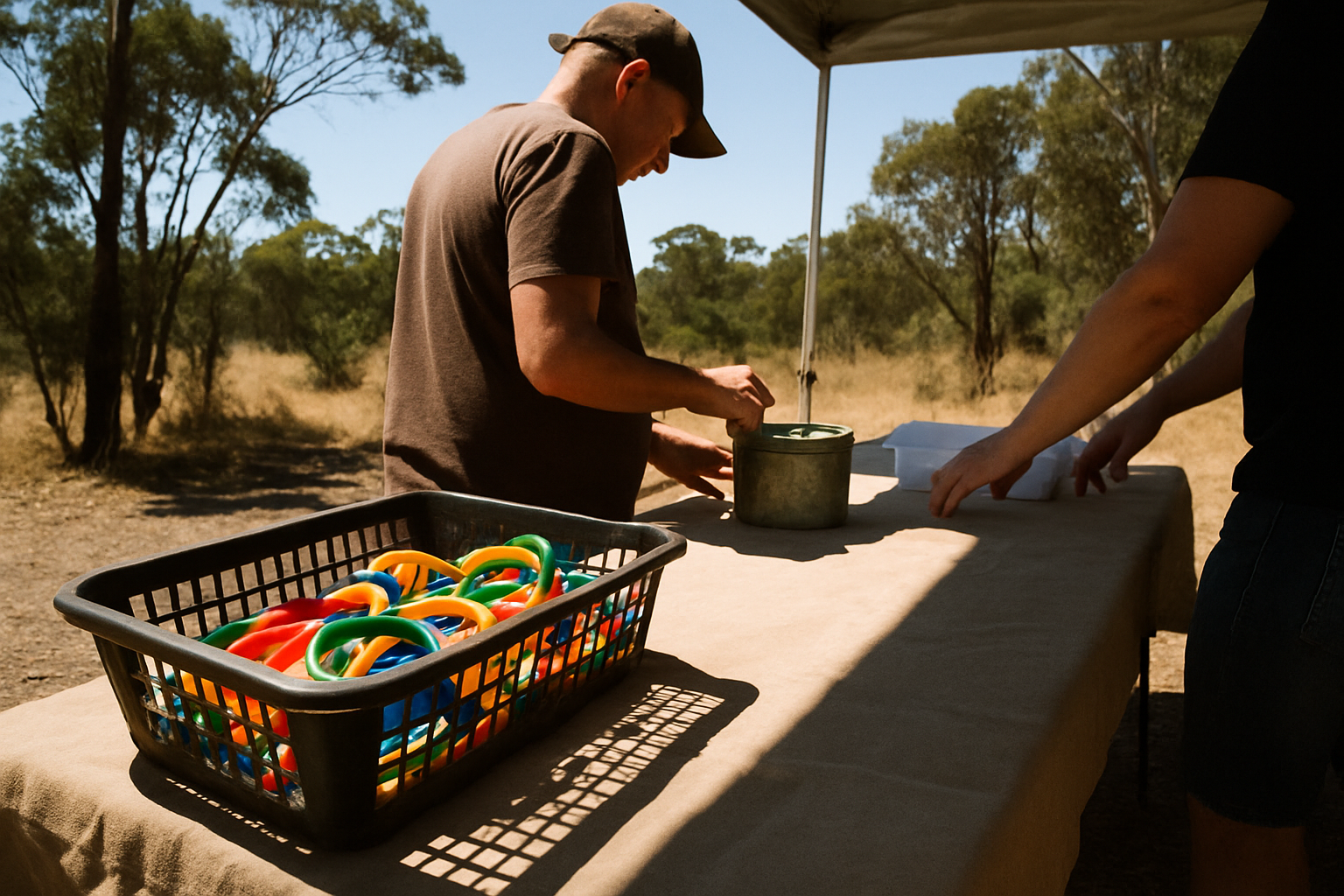
Conservation groups usually have strong public sympathy and a very small budget. A wristband suits that gap: it costs little per unit, it is easy to sell at a stall or sanctuary gate, and supporters keep wearing it long after the open day has finished.
Why wristbands suit conservation groups specifically
Most conservation fundraising happens outdoors — open days, sanctuary gates, market stalls, clean-up mornings. Bands cope with weather and mud, need no change given for odd amounts if you price them simply, and take up almost no room in a volunteer transport box.
Colour as a species or campaign marker
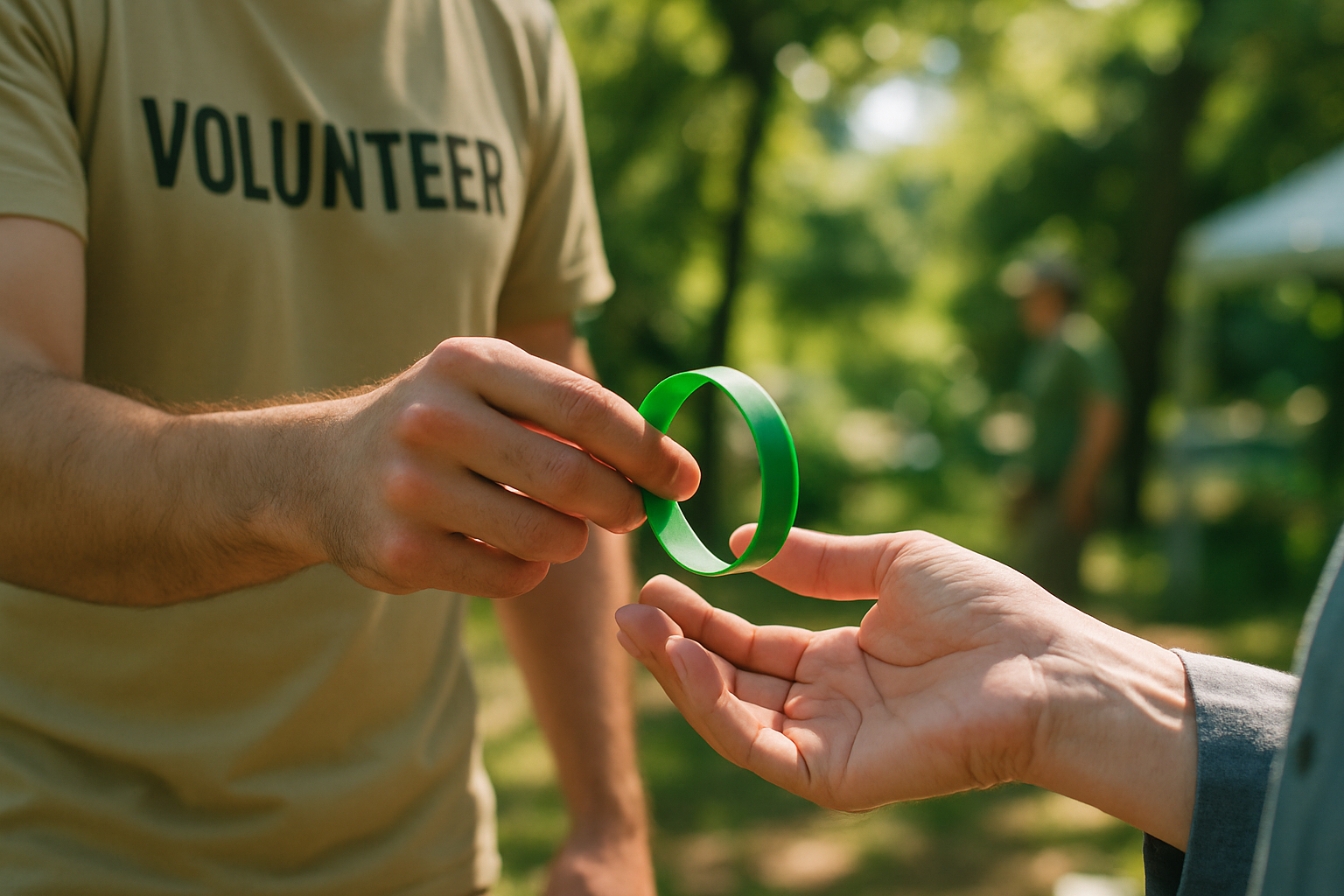
Groups running several projects often assign a colour per campaign — one for a habitat restoration, another for a specific threatened species. Supporters can then show which project they backed, and collecting the set becomes its own quiet motivator for repeat donations.
Recommended for you
Products related to this article
Hand-picked to go with what you just read.
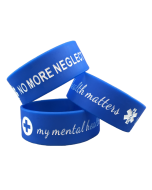
Selling at the gate without a card machine
Cash handling is the practical bottleneck at outdoor stalls. Price bands at a round figure so volunteers are not counting coins, and keep a simple stock band as the default option so the transaction takes seconds rather than a conversation about tiers.
Awareness campaigns that need to keep running
Some causes need sustained visibility rather than a single fundraising day. A cause wristband keeps the message in circulation between events, which suits animal-welfare campaigns where the issue does not go away after the open day.
Beyond the wrist
Not every supporter wants to wear a band. Offering a second, non-wearable item — a bumper sticker, for instance — captures donations from people who would otherwise walk past, and puts the message somewhere with a much wider audience.
Being honest about what the money does
Supporters at a conservation stall usually ask exactly where the money goes. Have a specific, checkable answer — a number of hectares, a number of animals, a named project — and print nothing on the band that overstates it. Vague claims lose the repeat donation that funds the following year.
Frequently Asked Questions
Quick answers from the Handband team
Why do wristbands suit conservation fundraising?
They are cheap per unit, cope with outdoor conditions, take little space in a volunteer box, and keep being worn long after the event.
Should each project have its own colour?
It helps. A colour per campaign lets supporters show which project they backed, and collecting the set encourages repeat donations.
How should we price bands at an outdoor stall?
Use a round figure so volunteers are not counting coins, and keep one default band so the transaction takes seconds.
What about supporters who will not wear a wristband?
Offer a non-wearable alternative such as a bumper sticker — it captures donations you would otherwise lose.
How do we keep awareness going between events?
A cause band stays in circulation year-round, which suits issues that do not disappear after an open day.
What should we print on the band?
Keep it simple and accurate. Never print a claim about impact you cannot substantiate if a supporter asks.
How many should a small group order?
Enough for your busiest single event plus a reserve, since bands sell fastest on open days and market mornings.

Written by
Founder, Handband
Founder of Handband; specialist in custom wristbands and promotional products for events, schools, charities, and brands.
← Previous
Times Table Wristbands and Tips for Mathematics Teachers
Next →
Say No to Racism: Why Education and Awareness are Necessary in Our Schools
Comment(s)