
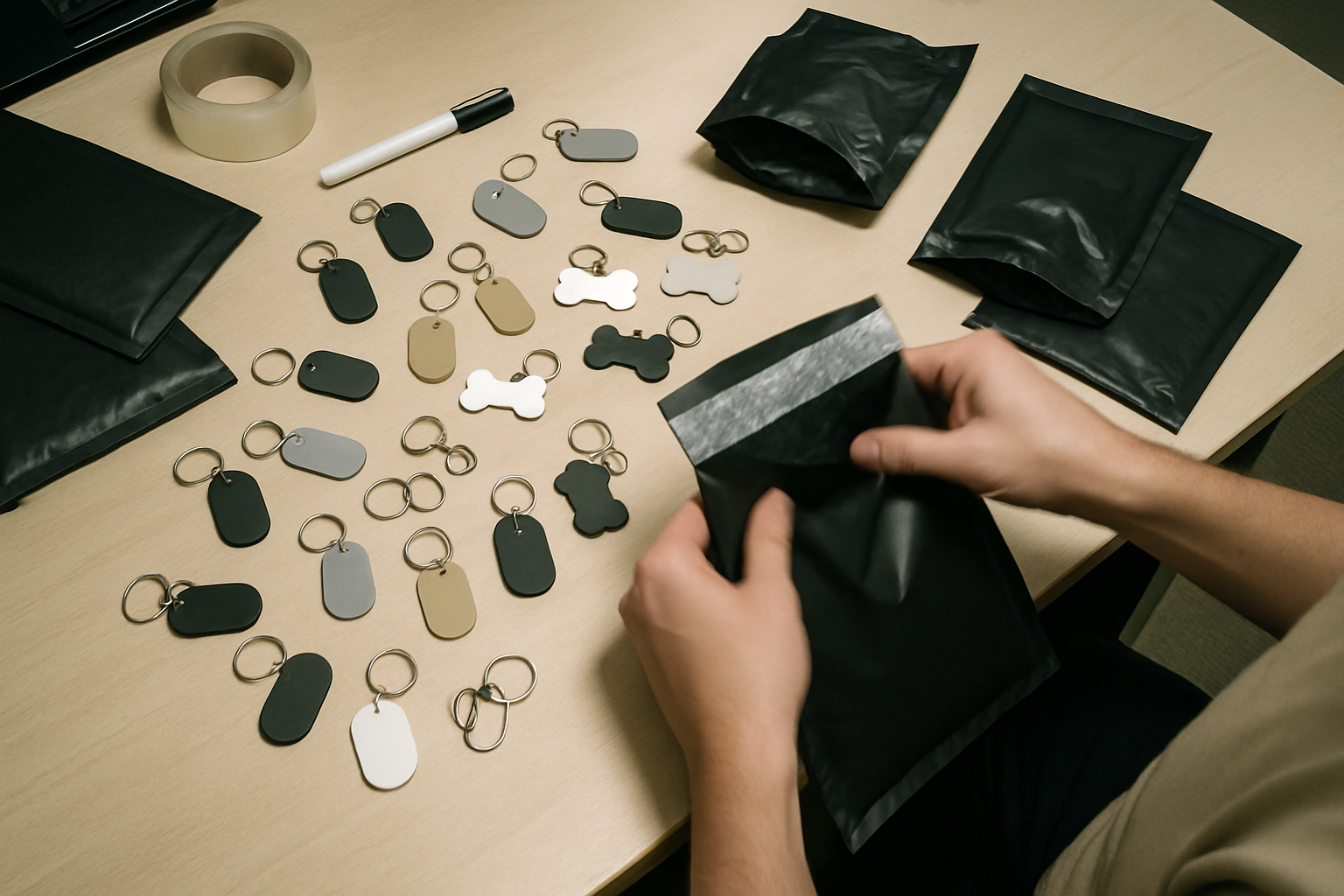
A keychain or dog tag survives the fate of most promotional merchandise because it attaches to something the recipient already carries every day. That single attachment is the difference between a giveaway that lasts years and one that reaches a bin before the person leaves the venue.
Why keychains outlast almost every other giveaway
Most promotional items compete for space the recipient does not have. A keychain does not — it joins an object they will not leave the house without. The item earns its impressions passively, every time the keys come out, without asking anything of the person carrying it.
Dog tag or keychain — they suit different jobs
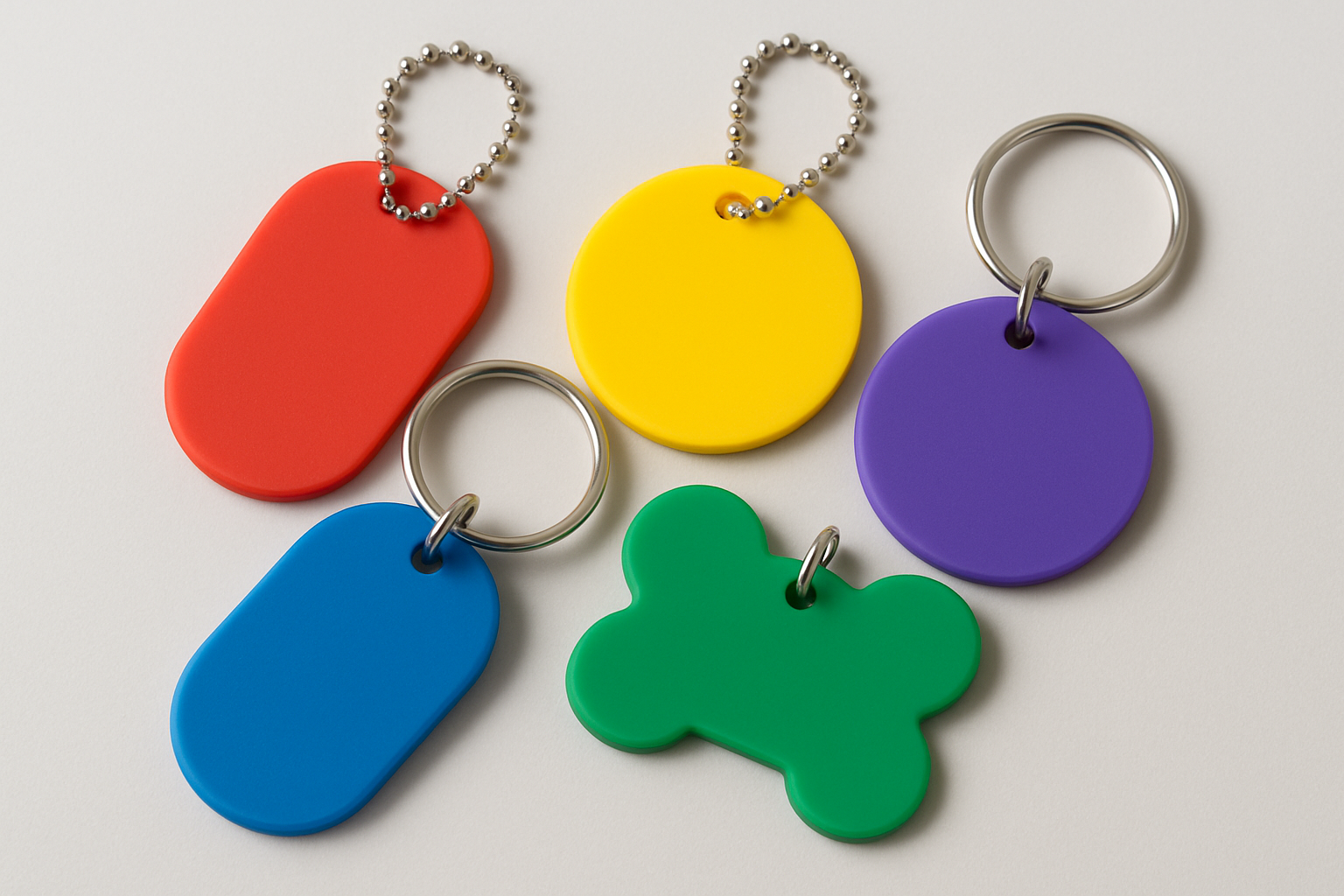
The shapes overlap but the use cases differ. A swirl dog tag reads as a personal or team item and often ends up on a bag or lanyard, while a keychain goes straight onto a keyring. If the audience is a sports club or school group, the tag tends to get worn; for a trade-show crowd, the keyring wins.
Recommended for you
Products related to this article
Hand-picked to go with what you just read.
Material decides how long it survives
Silicone tolerates being crushed in a pocket, dropped and washed, which is exactly what happens to anything on a keyring. Harder materials look sharper on day one but chip and scratch. If the item is meant to represent the brand for years rather than weeks, flexibility beats gloss.
Designing for a small surface
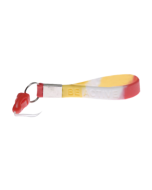
A keychain gives you very little room, so the design has to survive being small. One mark, one word or a short name works; a full logo lockup with a tagline does not. A two-tone stripe tag gives you colour separation to work with, which often reads better at small size than fine detail.
Matching the item to how it will be handed out
Bulk giveaways at a stall need something cheap enough not to hurt when most are taken casually. Items handed to a smaller, known audience — staff, members, sponsors — justify a heavier piece, because the recipients are people you can name.
Ordering, artwork and lead time
Custom moulded shapes need a mould made first, which adds setup cost and time. Ordering an existing shape in your colours is dramatically faster and usually indistinguishable to the recipient. Leave room for a proof round before production starts.
Frequently Asked Questions
Quick answers from the Handband team
Why do keychains work better than most giveaways?
They attach to something people already carry daily, so they earn impressions passively instead of competing for space.
Dog tag or keychain — which should I choose?
Tags read as personal or team items and often go on bags; keychains go straight onto a keyring. Sports and school groups suit tags, trade shows suit keychains.
What material lasts longest on a keyring?
Silicone — it tolerates being crushed, dropped and washed. Harder materials look sharper initially but chip and scratch.
How much design fits on a keychain?
Very little. One mark, one word or a short name. Full logo lockups with taglines do not survive the size.
Do I need a custom mould?
Only for a brand-new shape. Ordering an existing shape in your colours is far faster and cheaper, and recipients rarely notice the difference.
What should I order for a big public giveaway?
Something cheap enough that casual take-up does not hurt. Save heavier pieces for audiences you can name.
How long does production take?
Allow time for a proof round before production. Custom moulds add setup time on top.

Written by
Founder, Handband
Founder of Handband; specialist in custom wristbands and promotional products for events, schools, charities, and brands.
← Previous
Appeals court hears Pa. 'boobies' bracelets case
Next →
OVER 1,000 FRIENDS WEAR BANDS IN MEMORY OF JOE
Comment(s)