
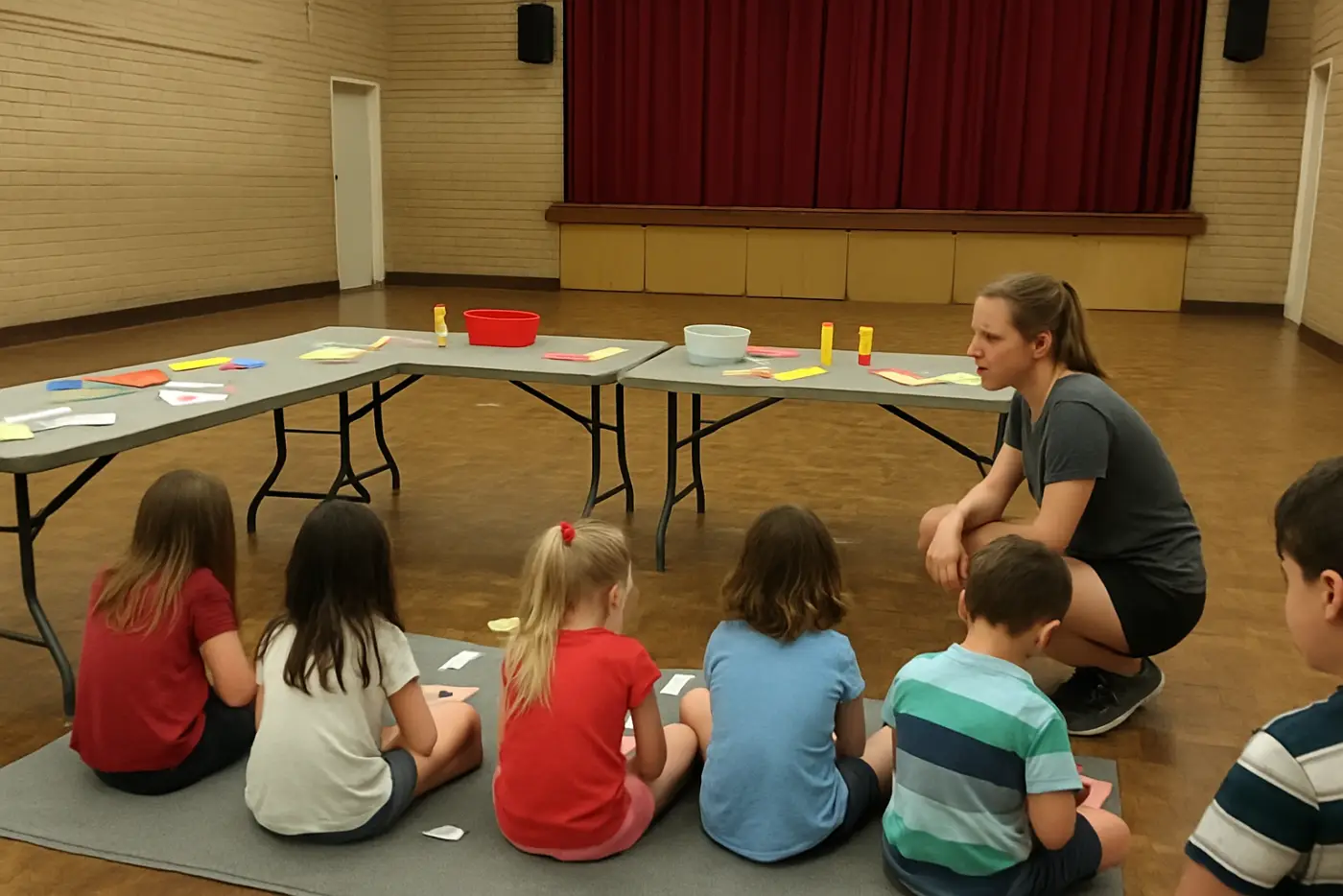
A holiday program takes a different set of children every week, run by casual staff who often have not met them. Wristbands solve the two questions that recur all day: which group a child belongs to, and whether they have any restriction a supervisor needs to know about before an activity starts.
Casual staff and a new cohort every week
Unlike a school, nobody at a holiday program has months to learn names. Staff rotate, children attend for one week, and the ratio is tight. A colour on the wrist is the fastest way for a supervisor to know a child is in their group when the hall is full and everyone is moving.
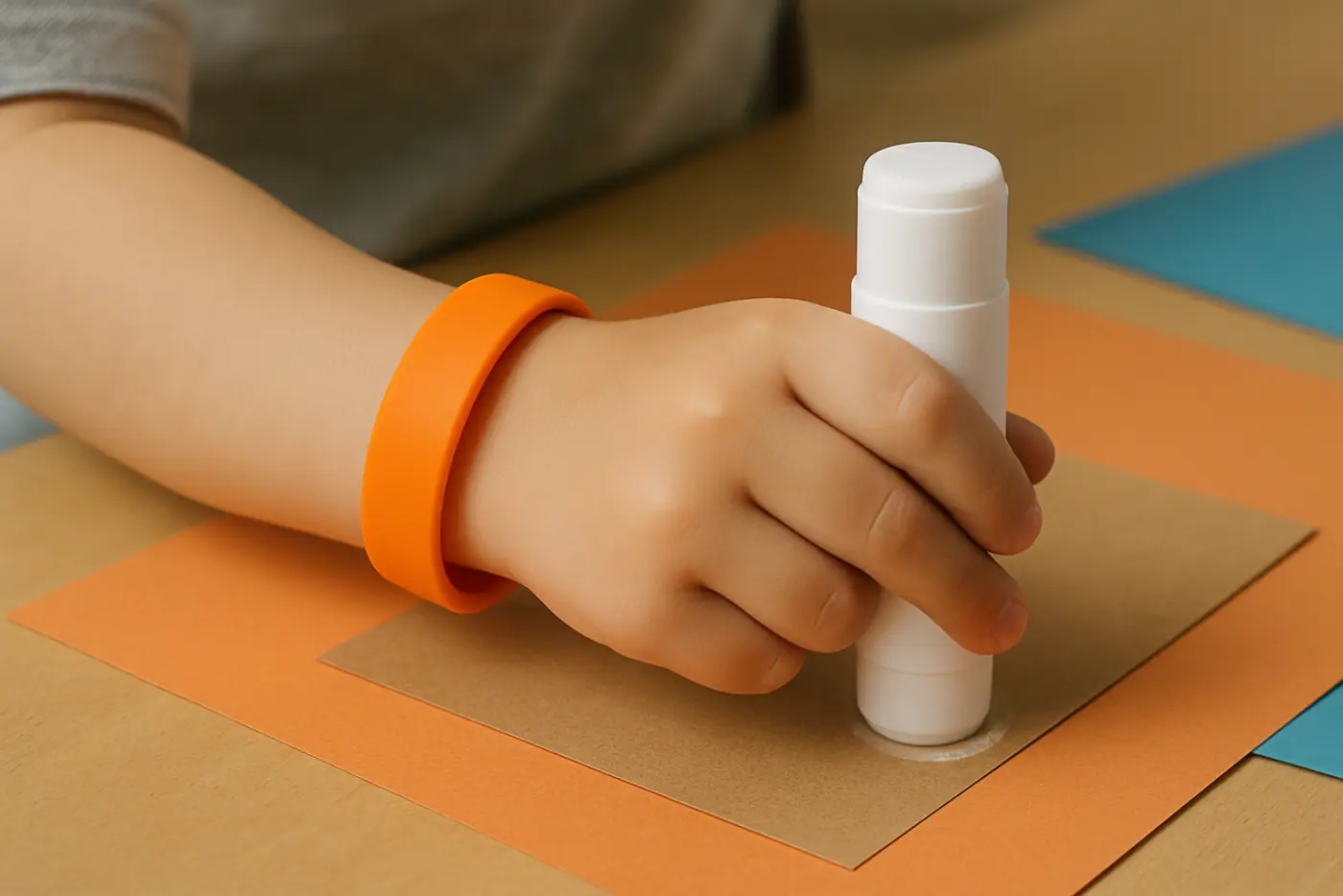
Group colours make rotations and headcounts work
Programs run on rotations — craft, sport, excursion, lunch. Colour-coding groups means a headcount at each transition takes seconds instead of reading a list. It also makes it obvious when a child has drifted into the wrong activity, which is the moment a ratio quietly breaks.
Recommended for you
Products related to this article
Hand-picked to go with what you just read.
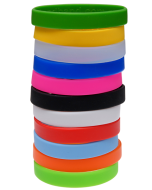
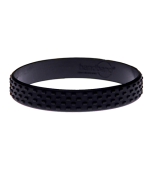
Use a plain band for allergies and restrictions
Anything safety-related needs its own distinct colour, held separately from group colour. Keep the meaning off the band itself — a plain band and a written key protects the child's privacy while still cueing staff to check. A bundle of plain blank bands gives you a set of clean colours with nothing printed for another child to read.
Bands children actually want to keep on
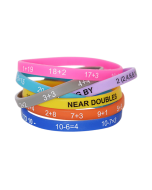
A band a child dislikes comes off in the first ten minutes. Ones with something on them tend to stay — a printed band with something to read gives a child a reason to leave it alone, which is worth more than any adhesive.
Pick-up authority needs a separate check
A band tells you which group a child is in; it does not tell you who is allowed to collect them. Never use band colour as pick-up authorisation. Keep collection on a signed list checked against ID, and use the band only to bring the right child to the gate quickly.
Buy for the whole holiday period, not per week
Ordering weekly costs more and risks running out mid-program. Buy plain colours in bulk for the full period, keep them in labelled boxes by colour, and reuse across weeks — a plain silicone band survives a term of holiday programs easily if it is washed between cohorts.
Frequently Asked Questions
Quick answers from the Handband team
Why do holiday programs use wristbands?
Staff rotate and the cohort changes weekly. A colour tells a supervisor which group a child is in without knowing names.
How do wristbands help with activity rotations?
Group colours make headcounts at each transition take seconds, and make it obvious when a child has drifted into the wrong activity.
Should allergies be printed on the band?
No. Use a distinct plain colour with a written key held by staff, so the information cues supervision without being readable by other children.
How do we stop children removing them?
Give them a reason to keep it on. Bands with something printed to read or a learning element stay on far longer than plain ones.
Can we use bands for pick-up authorisation?
No. Collection must be checked against a signed list and ID. The band only helps bring the right child to the gate quickly.
Should we order weekly or for the whole period?
For the whole period. Weekly ordering costs more and risks running out mid-program.
Can bands be reused between weeks?
Yes — silicone survives a full holiday period if it is washed between cohorts and stored by colour.

Written by
Founder, Handband
Founder of Handband; specialist in custom wristbands and promotional products for events, schools, charities, and brands.
← Previous
Safety first - BHS students greeted with bands to promote cautious driving
Next →
Custom Wristbands for Gala Dinners & Formal Fundraising Events
Comment(s)