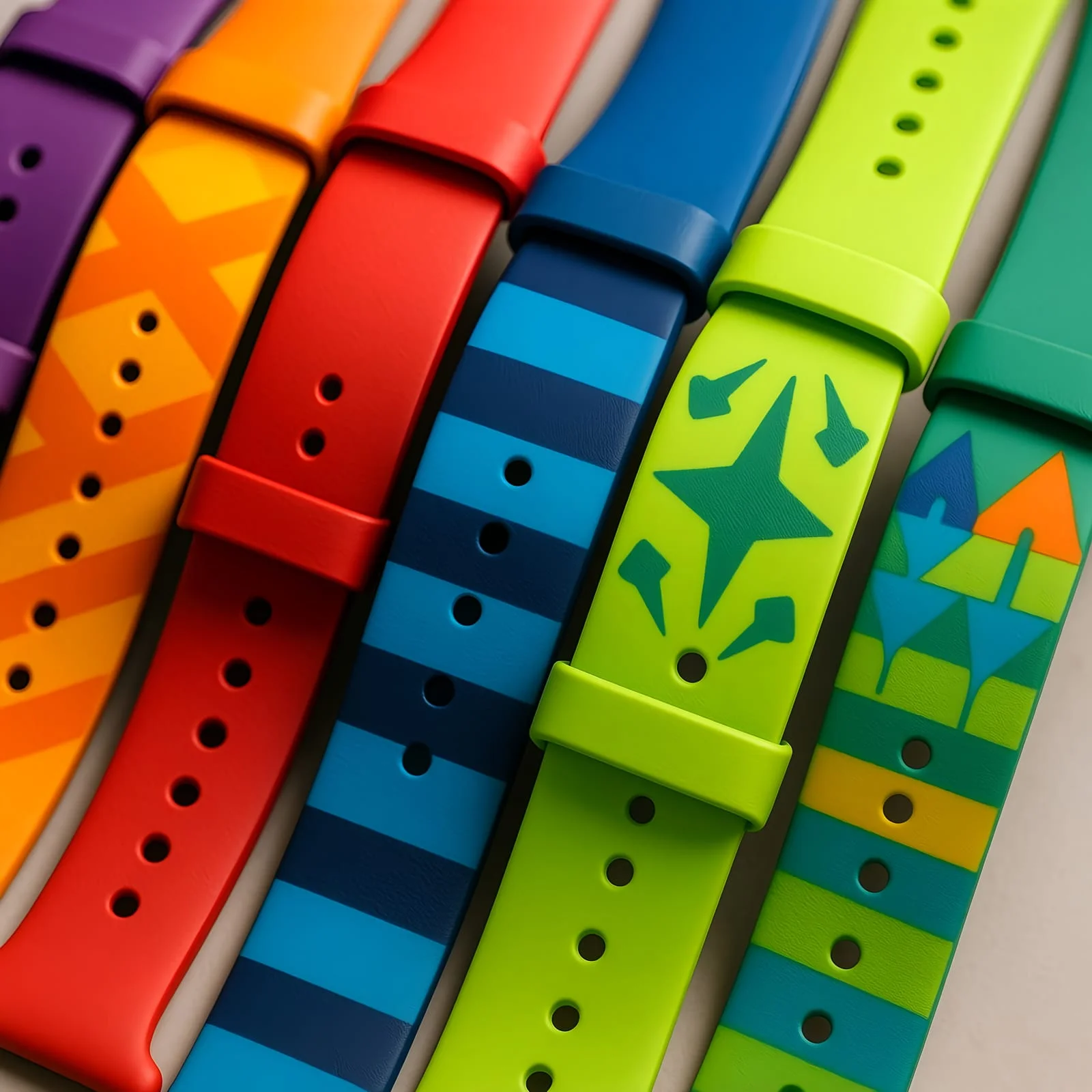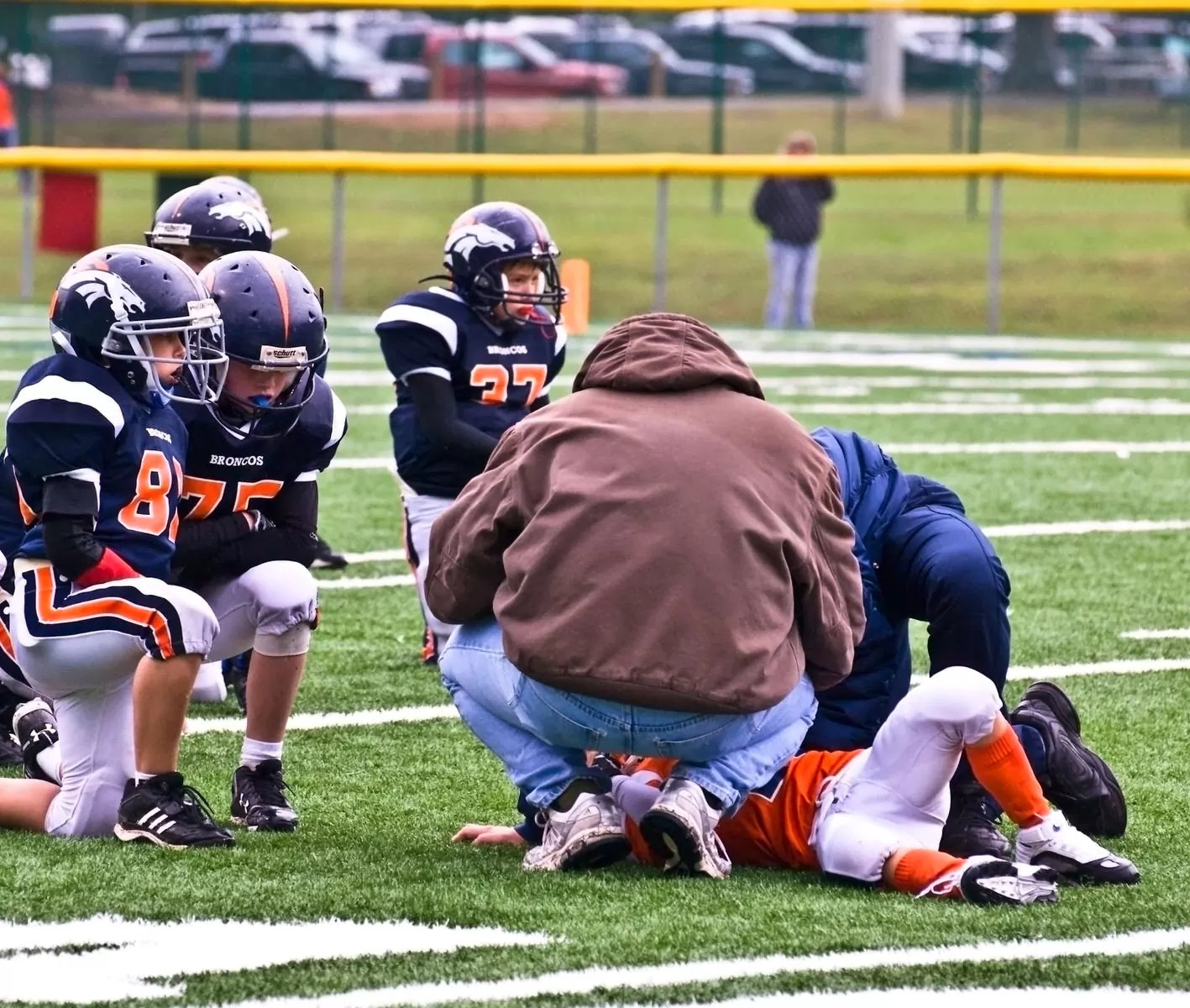
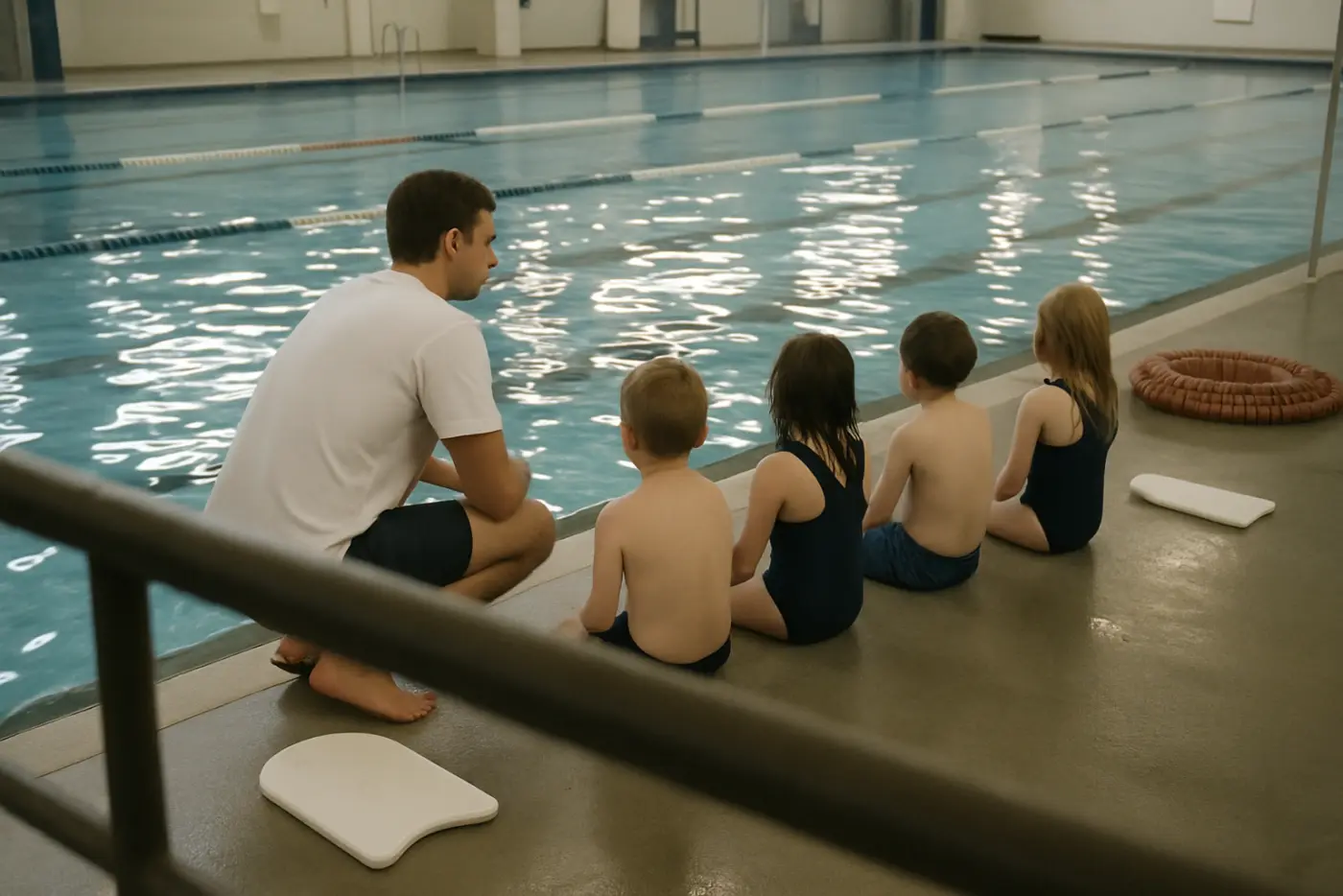
A lifeguard scanning a busy pool has seconds and no way to know which children can swim. Coloured wristbands answer that from across the water, which is why aquatic centres use them for depth clearance before anything else. The same system then handles session times and class groups without a second piece of paper.
Swimming ability is the safety-critical marker
The question that matters at a pool is whether a child is cleared for deep water, and it has to be answerable from the lifeguard chair. A colour worn on the wrist does that; a note at reception does not. Test once, band accordingly, and make the meaning of each colour non-negotiable across every shift.
Only silicone survives a pool
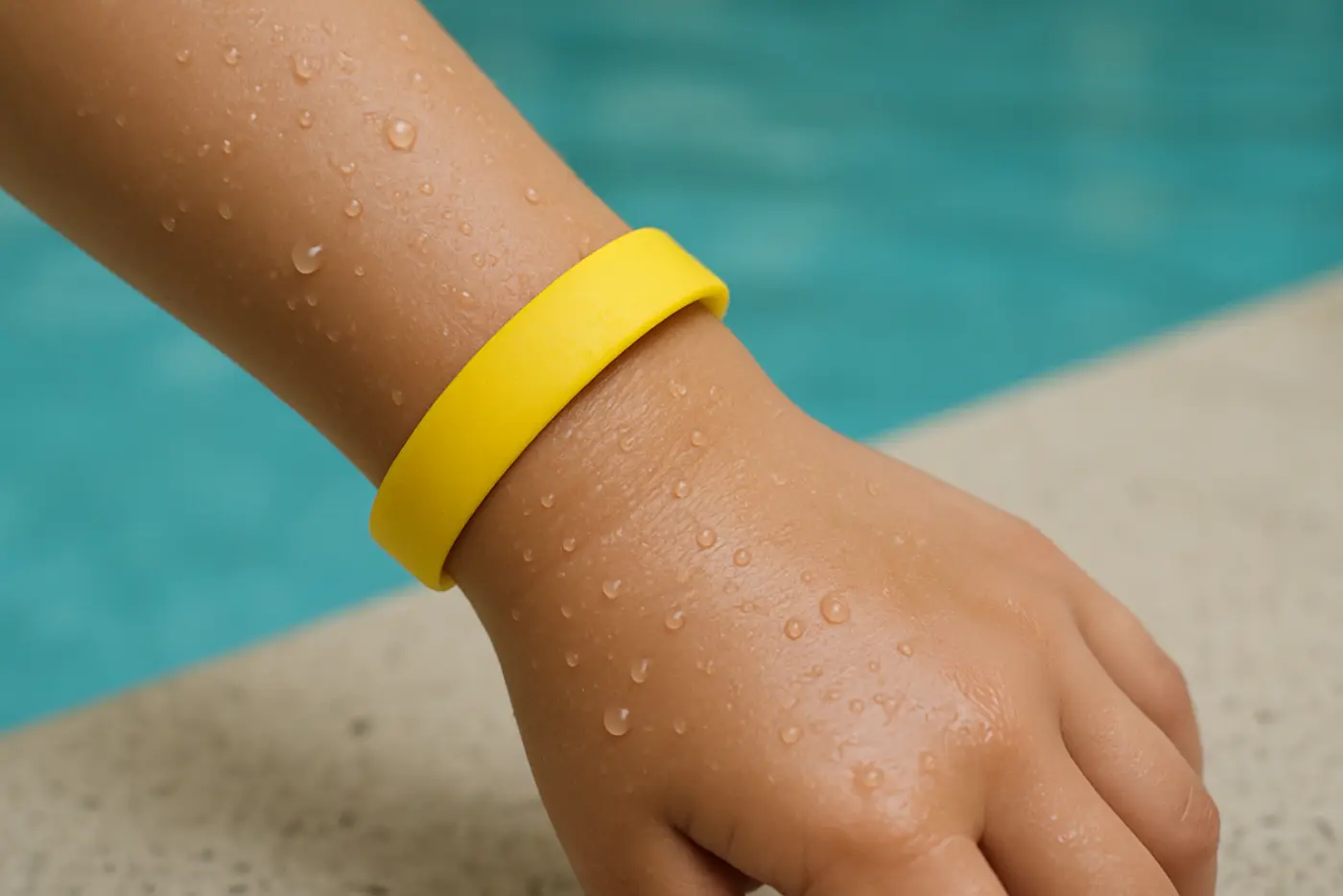
Paper and adhesive bands soften and lift in water, and printing runs. That failure is not cosmetic at a pool — it means a child's depth clearance becomes unreadable halfway through a session. A multi-colour silicone set covers three ability levels from one order and is unaffected by water.
Recommended for you
Products related to this article
Hand-picked to go with what you just read.
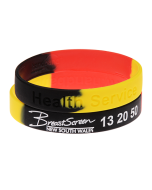
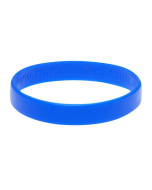
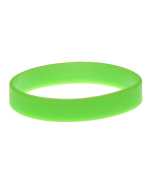
Choose colours that read through water and glare
Pool halls have reflections, glare and blue water, all of which flatten certain colours at distance. Test candidate colours in your own hall from the lifeguard position before ordering. A high-visibility band holds up far better than a mid-tone, which is what you want for the least-confident swimmers.
Session times and casual entry
Centres running timed sessions need to know who is due out, without clearing the whole pool. Banding by session lets staff ask the right people to leave and keeps the next session moving. A plain coloured band is enough for this — no printing required, just a colour that changes each session.
Swim school class groups
Learn-to-swim programs run several classes at once across different lanes, with instructors who rotate. Banding by class level means a child who wanders to the wrong lane is spotted immediately, and a relief instructor knows the group without checking the roll.
Sizing, comfort and reuse
A band worn while swimming must not slide off a wet wrist or catch on lane ropes, which means buying child sizes rather than one adult size. Silicone survives the season, so wash and store bands by colour between terms — reuse is what makes this cheaper than any disposable option.
Frequently Asked Questions
Quick answers from the Handband team
What should an aquatic centre wristband show first?
Swimming ability — whether a child is cleared for deep water. It has to be readable from the lifeguard chair.
Why not use paper wristbands at a pool?
They soften and lift in water and the printing runs, which makes a depth clearance unreadable mid-session.
Which colours work best around water?
High-visibility colours. Glare, reflections and blue water flatten mid-tones at distance, so test from the lifeguard position first.
Can wristbands manage session times?
Yes. Banding by session lets staff clear the right swimmers without emptying the whole pool between sessions.
How do swim schools use them?
By class level, so a child in the wrong lane is spotted immediately and relief instructors know the group without the roll.
Are they comfortable for swimming?
If sized properly. Buy child sizes rather than one adult size, and check they do not catch on lane ropes.
Can we reuse them between terms?
Yes — wash and store by colour. Reuse across terms is what makes silicone cheaper than disposables.

Written by
Founder, Handband
Founder of Handband; specialist in custom wristbands and promotional products for events, schools, charities, and brands.
← Previous
UPROAR AT SCHOOL BAN ON PUPILS’ WRISTBAND TRIBUTE TO CANCER BOY
Next →
Coldplay - Despite the rain and strike, it was all mellow
Comment(s)