
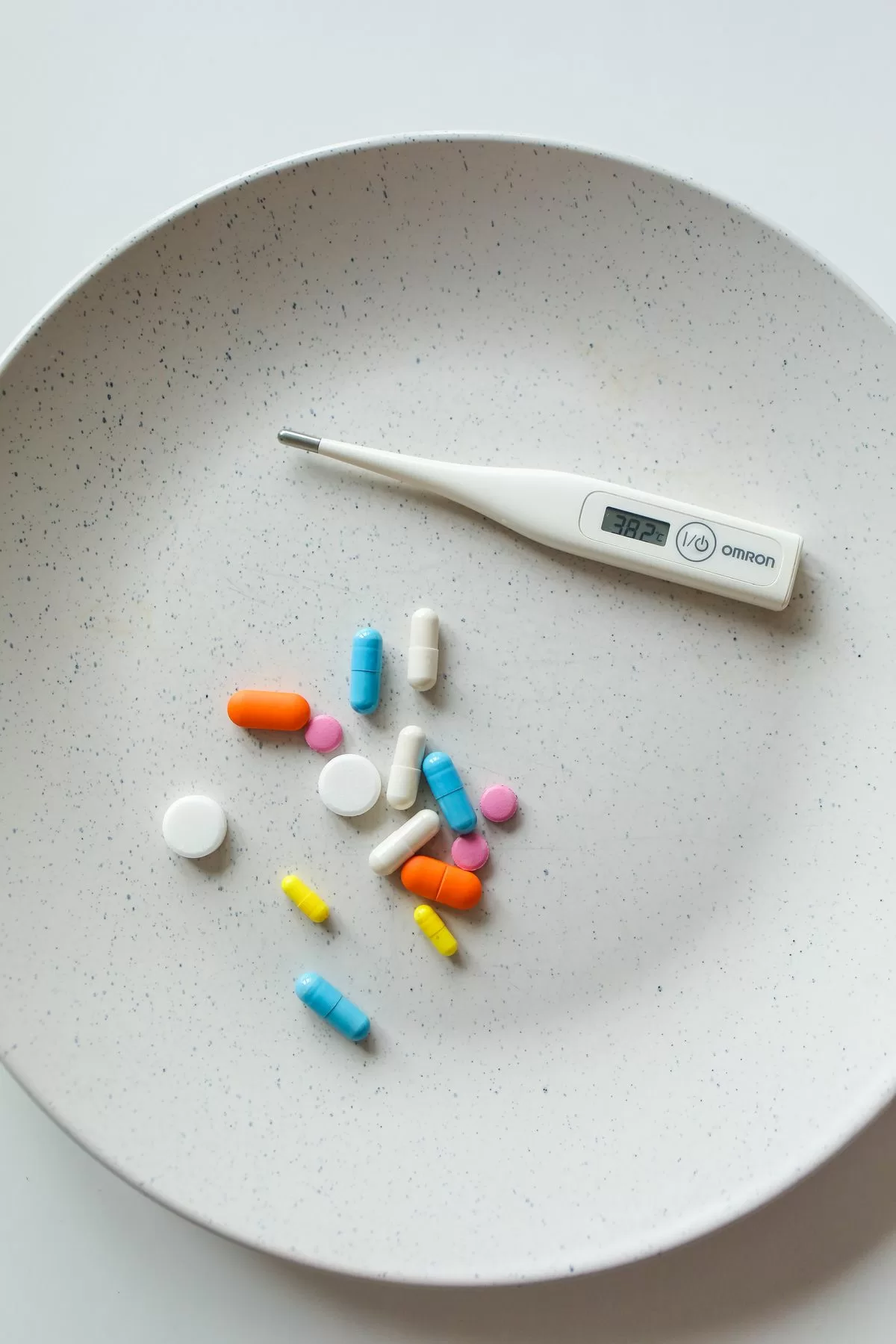
The clinical link between food allergies and asthma is one of the strongest in modern allergy research. Australian and UK children with food allergies are 2 to 4 times more likely to develop asthma than non-allergic peers. For adults living with both, the risk profile compounds dangerously: food-allergy-triggered anaphylaxis in an asthmatic patient is significantly more likely to result in respiratory failure and fatal outcomes. Asthma Australia + Asthma + Lung UK both list food anaphylaxis as a top-3 cause of fatal asthma episodes in the under-50 cohort. This 2026 update explains the food-allergy-asthma link, identifies the highest-risk combinations, and walks through how a custom-engraved silicone medical alert wristband + a documented asthma + anaphylaxis action plan + dual EpiPens + a reliever puffer give patients the four-layer protection they need.
The food-allergy-asthma link — what 2026 research shows
The 2024 meta-analysis published in the Journal of Allergy and Clinical Immunology tracked 14,400 children + adults across 31 countries:
- Children with peanut anaphylaxis are 4.2x more likely to develop asthma by age 14.
- Adults with shellfish allergy are 2.8x more likely to have late-onset asthma.
- Patients with both severe asthma + food anaphylaxis have a 6x higher risk of fatal anaphylactic outcome.
- Uncontrolled asthma is the single biggest predictor of fatal food anaphylaxis.
- Allergen-specific IgE testing positive for multiple foods predicts asthma onset within 24 months.
The underlying mechanism: the same Th2-dominant immune dysregulation that drives food allergy also drives airway hyper-responsiveness. The proteins of allergic inflammation (IL-4, IL-5, IL-13) act on both gut + lung tissue.

Why the combination is so dangerous
Food anaphylaxis in a non-asthmatic adult typically presents with skin + GI symptoms first, with respiratory symptoms appearing later as the reaction progresses. In an asthmatic patient, the respiratory pathway is the FIRST and most aggressive to react:
- Within 2 minutes: bronchospasm begins.
- Within 5 minutes: full asthma exacerbation overlapping with anaphylaxis.
- Within 10 minutes: airway swelling + bronchospasm combined = severe respiratory failure.
- Without immediate treatment: hypoxic respiratory arrest within 15 to 20 minutes.
The treatment window is roughly half of what it would be for non-asthmatic anaphylaxis. Time-to-EpiPen + time-to-reliever puffer must be measured in seconds, not minutes.
Recommended for you
Products related to this article
Hand-picked to go with what you just read.

What to engrave on a dual-condition wristband
For patients with both food anaphylaxis + asthma:
- Line 1: ANAPHYLAXIS PEANUT + ASTHMA
- Line 2: EpiPen 0.3mg IM + Ventolin reliever
- Line 3: Emergency contact + mobile
- Line 4: GP / specialist phone
Mentioning asthma on the SAME band as the food allergy alerts the paramedic that this is a higher-risk patient and to expect respiratory deterioration faster.
The four-layer protection model for combined patients
The 2026 best practice for patients managing both conditions:
- Layer 1: Visible wristband — condition + treatment + contact engraved on a silicone band on the dominant wrist.
- Layer 2: EpiPen carry — minimum two doses, one in the primary bag, one in a partner / spouse’s bag.
- Layer 3: Reliever puffer carry — blue Ventolin or salbutamol inhaler always within 30 seconds of the patient.
- Layer 4: Written action plan — signed by the immunologist + respiratory physician, distributed to school / workplace / family.
Bronchospasm vs anaphylaxis — recognising which one is happening
For a patient with both conditions, the first 60 seconds of a reaction may look like asthma or anaphylaxis or both. The decision tree:
- Wheeze + chest tightness only — treat as asthma. Reliever puffer 4 puffs, repeat at 20 seconds, escalate to 6-12 puffs if no improvement, call 999/000.
- Wheeze + hives or facial swelling — treat as anaphylaxis. EpiPen IM in outer thigh + reliever puffer + lay flat + call 999/000.
- Wheeze + vomiting + sudden weakness — anaphylaxis. EpiPen first.
- If in doubt — treat as anaphylaxis. Better to give EpiPen unnecessarily than to miss it.
The Australian Asthma + Anaphylaxis Action Plan template combines both conditions into a single decision tree printed for school + workplace + family use.
Highest-risk food allergens for asthmatic patients
The food allergens most likely to trigger fatal asthma anaphylaxis:
- Peanut — #1 cause of food-anaphylaxis fatality in asthmatic patients.
- Tree nuts — cashew + brazil + walnut cluster.
- Shellfish — particularly in adult-onset asthma cohorts.
- Milk (anaphylactic type) — under-recognised in adult asthmatics.
- Wheat (exercise-induced anaphylaxis) — food-dependent exercise-induced anaphylaxis (FDEIA).
Asthma medication considerations for anaphylaxis patients
Some asthma medications worth flagging on the medical ID:
- Beta-blockers — can reduce EpiPen effectiveness. If you’re on a beta-blocker for hypertension or heart disease, the paramedic needs to know.
- ACE inhibitors — can mimic anaphylactic angioedema. Flag the medication on the bracelet.
- Oral corticosteroids — chronic use can mask early anaphylaxis warning signs.
- Recent immunotherapy injection — itself a risk factor for delayed anaphylaxis.
School management for combined-condition children
Children with both food anaphylaxis + asthma require enhanced school management:
- Both EpiPen + Ventolin reliever permanently at school (one set in classroom + one in nurse office).
- Both Anaphylaxis Action Plan + Asthma Action Plan signed and on file.
- Allergy-friendly canteen + supervised lunch periods.
- Sports-day protocol with reliever pre-medication if needed.
- School nurse trained in dual-condition emergency response.
- Annual whole-school assembly during Allergy + Asthma Awareness Week.
- Bright-colour silicone wristband visible to teachers, coaches + classmates.
Workplace management for combined-condition adults
- HR + line manager briefed in writing.
- EpiPens + reliever puffer in desk drawer + travel bag.
- Workplace first aiders trained in both EpiPen + reliever administration.
- Allergen-aware shared kitchen with labelled storage.
- Office air quality controlled (HEPA filtration in dust-sensitive cases).
- Travel insurance pre-cleared for both conditions.
- Visible medical ID daily.
The role of immunotherapy
For patients managing both food allergy + asthma, allergen-specific immunotherapy (oral immunotherapy or sublingual immunotherapy) can desensitise to specific food triggers. Available in major Australian + UK allergy clinics in 2026 for peanut, milk, egg, and a growing list of other allergens. Discuss with your immunologist if you’re a candidate.
Asthma + food allergy in exercise
Food-dependent exercise-induced anaphylaxis (FDEIA) affects up to 2 % of asthmatic patients. The pattern: eat the trigger food + exercise within 2 hours = severe anaphylactic event. Wheat + shellfish are the most common triggers. If you have asthma + know you have FDEIA, your wristband should engrave:
- ANAPHYLAXIS + ASTHMA
- FDEIA — AVOID WHEAT + EXERCISE
- EpiPen + Ventolin
- Emergency contact
Travel and dual conditions
International travel multiplies risk:
- Pack both EpiPens + reliever puffer in cabin baggage.
- Doctor’s letter listing both conditions + medications.
- Allergy translation cards in destination language.
- Travel insurance for both pre-existing conditions.
- Research destination allergens + asthma triggers (e.g. bushfire smoke, dust).
- Medical wristband + wallet card always on the body.
- Emergency-services number for destination (911 US/CA, 112 EU, 119 Japan).
Frequently asked questions
Frequently Asked Questions
Quick answers from the Handband team
Are food allergies and asthma actually linked?
Yes — strongly. Children with food allergy are 2-4x more likely to develop asthma. Adults with both conditions face 6x higher fatal anaphylaxis risk. The same Th2 immune dysregulation drives both.
Why is anaphylaxis more dangerous for asthmatic patients?
Respiratory pathway reacts first and fastest. Bronchospasm + airway swelling combine into severe respiratory failure within 10 minutes vs 20+ minutes for non-asthmatic anaphylaxis. Treatment window is halved.
What should the wristband say for both conditions?
Line 1: ANAPHYLAXIS [allergen] + ASTHMA. Line 2: EpiPen 0.3mg + Ventolin reliever. Line 3: Emergency contact mobile. Line 4: GP / specialist phone.
EpiPen first or reliever puffer first?
If you have hives, facial swelling or any anaphylactic sign: EpiPen first, then reliever puffer, then call 999/000. If only wheeze + chest tightness: reliever first, escalate to EpiPen if no improvement.
Should kids with both conditions go on school trips?
Yes — with preparation. Both EpiPen + reliever on the trip. Trip leader briefed. Action plans handed over. Visible wristband. Itinerary screened for allergens.
What is food-dependent exercise-induced anaphylaxis?
Eating a trigger food (commonly wheat or shellfish) + exercising within 2 hours = severe anaphylactic event. Affects ~2% of asthmatic patients. Engrave on the wristband if diagnosed.
Can immunotherapy help dual-condition patients?
Yes. Oral or sublingual immunotherapy for specific food allergens is available at major Australian + UK clinics in 2026. Discuss candidacy with your immunologist.
References
- Asthma Australia asthma.org.au
- Asthma + Lung UK asthmaandlung.org.uk
- ASCIA — Anaphylaxis + Asthma allergy.org.au
- Anaphylaxis UK anaphylaxis.org.uk
- Allergy + Anaphylaxis Australia allergyfacts.org.au
- National Asthma Council Australia nationalasthma.org.au

Written by
Founder, Handband
Founder of Handband; specialist in custom wristbands and promotional products for events, schools, charities, and brands.
← Previous
Life Saving Bling - Silicone Medical Wristbands for Kids 2026
Next →
Eco Friendly Wristbands for Events: Sustainable Options for Festivals and Brands
Comment(s)