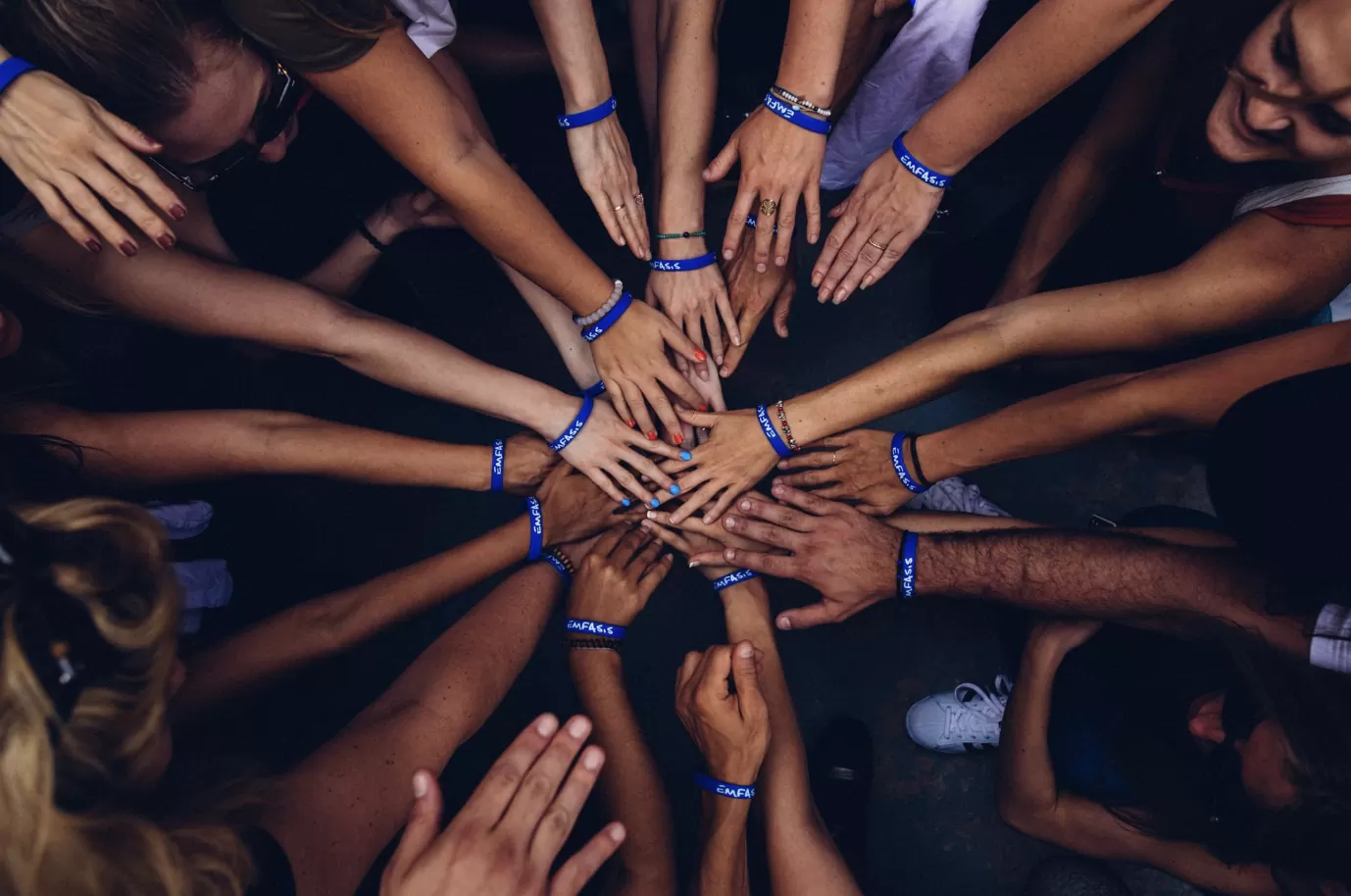
Twenty years ago, the idea of a rubber bracelet being a multi-billion-dollar marketing channel would have sounded absurd. Fast forward to 2026 and the humble silicone wristband is worn at every major sporting event, concert, charity drive, political rally and school fundraiser on the planet. How did we get here? And more importantly — does it still work for small businesses today?
This is the full story: the $1 billion LiveStrong launch, the event-industry adoption of tyvek wristbands, and the modern playbook that still delivers the best cost-per-impression in promotional marketing.
2004: The LiveStrong Moment That Changed Marketing Forever
In May 2004, Nike and the Lance Armstrong Foundation launched a simple yellow silicone wristband for $1 to raise money for cancer research. Initial run: 5 million units. They sold out in six months. Within five years, over 80 million had been shipped — raising an estimated $100+ million for cancer charities and generating billions in earned media.
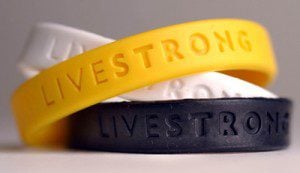
What made the LiveStrong band revolutionary wasn't the product itself — silicone was cheap and easy to mould. It was the combination of:
- A cause people wanted to signal support for — cancer affects almost every family
- A price point anyone could afford — $1 is a non-decision
- A single visible colour — the yellow became iconic
- Celebrity endorsement from Armstrong — every pro athlete wore one
- A permanent, visible symbol — the wristband worked while the wearer slept
That template — cause + low price + visible colour — is still the blueprint for every successful custom wristband marketing campaign today.
2008–2020: The Event Industry Embrace
While silicone bands owned the charity/awareness space, the events industry adopted a different material: tyvek (a synthetic, waterproof, tear-resistant paper). By 2010, virtually every major music festival, sporting event and convention had swapped over to tyvek wristbands for attendee access control.
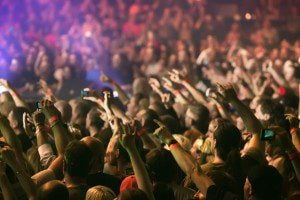
Why tyvek won for events:
- Tamper-evident: Once on, can't be transferred without destroying
- Cheap at scale: Under 20 cents per unit for huge volumes
- Printable: Full-colour logos, sponsors, QR codes all fit
- Waterproof: Survives swimming, rain, sweat
- Multiple colours: Easy tier/day/zone differentiation
Recommended for you
Products related to this article
Hand-picked to go with what you just read.

2020–2026: The Modern Wristband Playbook
Modern brands have taken the LiveStrong lessons and added three new tools to the playbook:
1. QR Codes on Every Band
Printing a QR code directly on the wristband turns a passive brand impression into a trackable conversion. Scan the QR, land on a campaign page, follow on social, buy a product. Works especially well on wider silicone or tyvek bands where the code is big enough to scan cleanly.
2. Cause Marketing Tie-ins
A portion of every sale going to a local cause, with a branded cause wristband included. Boosts conversion by 20–30% and gives wearers a social reason to promote your brand for you.
3. User-Generated Content
Print a unique campaign hashtag on the band. Every photo a wearer posts becomes searchable UGC. One hashtag → hundreds of free social posts. Pair with a small prize for best post of the week to amplify further.
Why the Wristband Still Wins in 2026
| Metric | Silicone Wristband | Facebook Ad |
|---|---|---|
| Cost per 1,000 impressions | $0.60 | $8–$25 |
| Average retention | 3–12 months | 3 seconds |
| Trust signal | High (friend wears it) | Low (paid ad) |
| Algorithm risk | None | Accounts can be banned overnight |
The wristband story continues. Start your own campaign — browse branding options, contact our team, or read our guides on branded wristbands + SEO and social media + wristbands.
Frequently Asked Questions
How many LiveStrong wristbands were sold?
Over 80 million LiveStrong wristbands were sold between 2004 and 2010, raising an estimated $100+ million for the Lance Armstrong Foundation. It remains the most successful promotional wristband campaign in history and the reference point for modern cause-wristband marketing.
Are silicone wristbands still effective marketing in 2026?
Yes — they deliver one of the lowest cost-per-impression rates of any marketing channel (under $1 CPM vs $8–$25 for social media ads). They work especially well when combined with QR codes, cause-based messaging, and user-generated social content.
What's the difference between silicone and tyvek wristbands?
Silicone wristbands are reusable, last months to years, and are ideal for ongoing brand campaigns. Tyvek wristbands are single-use, cheaper at scale, tamper-evident, and ideal for event access control (festivals, sporting events, conferences).
How do I start my own wristband marketing campaign?
Choose one strong colour, one clear call to action (URL, hashtag, or QR code), and order in bulk for lowest unit cost. Start with 250–500 units, distribute at events or via gift-with-purchase, and track with a unique UTM or discount code.
Can wristbands still go viral like LiveStrong did?
The conditions still exist: a cause people want to signal, low price, visible symbol, influencer endorsement. Modern examples include pandemic-era frontline worker bands, Black Lives Matter awareness bands, and climate campaign wristbands. Virality favours simple messages tied to emotional causes.

Written by
Founder, Handband
Founder of Handband; specialist in custom wristbands and promotional products for events, schools, charities, and brands.
← Previous
Using Promotional Products to Enhance Brand Recognition: A Step-by-Step Playbook
Next →
The Truth About Promotional Products: Do They Really Work in 2026?
Comment(s)