

A workplace wellness campaign often needs something small and low-pressure that staff can opt into without a big commitment — a wristband works well because wearing it takes seconds, costs the business very little, and quietly signals the topic is on the agenda without needing a company-wide meeting to explain it.
Why wellness campaigns need something low-pressure
Not every staff member wants to speak up in a meeting about mental health or wellness, but most are comfortable simply wearing a wristband if the business hands one out. That low barrier to participation is often what makes a workplace campaign actually land, compared with initiatives that ask more of people upfront.

Picking a wristband that fits the tone
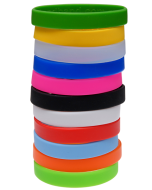
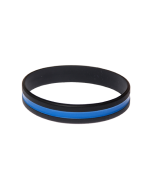
A plain, single-colour wristband keeps the focus on the message rather than the product, which suits a mental health or wellness campaign better than something loud or novelty-styled. Some workplaces choose a specific colour already associated with the cause they're supporting; others simply pick one calm colour for the whole campaign.
Recommended for you
Products related to this article
Hand-picked to go with what you just read.

Rolling it out without making it mandatory
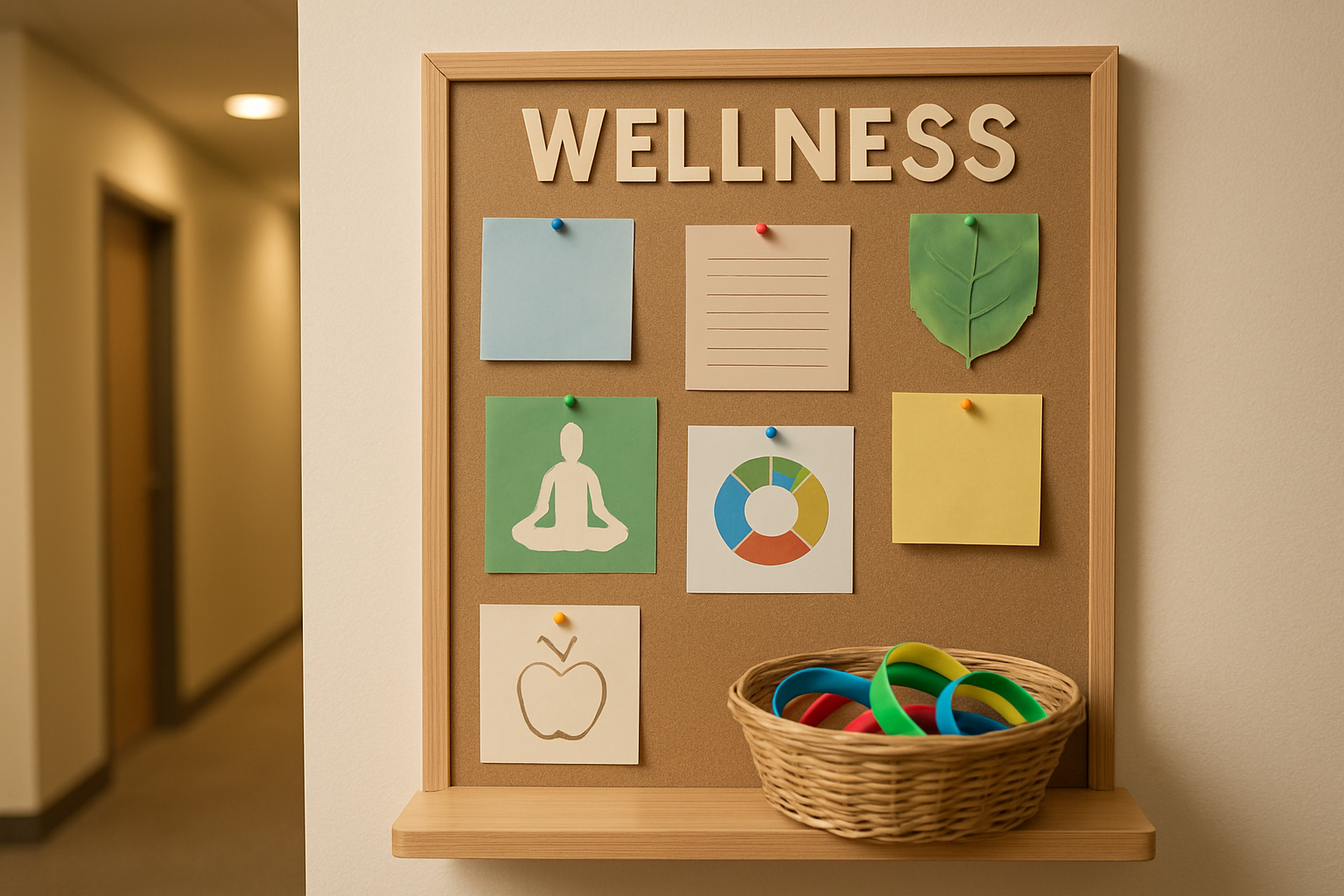
Leaving wristbands available at reception, in the break room, or handed out at a toolbox talk lets staff take one if they want to, rather than making participation feel compulsory — which matters for a topic some people prefer to engage with quietly.
Pairing wristbands with an actual support pathway
A wristband on its own doesn't replace an Employee Assistance Program or a proper wellness policy — it works best as a visible entry point that reminds staff support exists, alongside a poster, intranet page or team briefing on where to actually go for help.
Keeping the campaign going beyond launch week
Wellness campaigns often get a strong first-week response and then fade; keeping a small stock of wristbands available year-round (not just during an awareness week) helps new starters and anyone who missed the initial rollout still take part.
Frequently Asked Questions
Quick answers from the Handband team
Does a workplace wellness wristband need to be mandatory to work?
No — leaving them available for staff to take voluntarily (reception, break room) usually works better than making wristbands compulsory, especially for a mental health topic.
What colour wristband suits a wellness campaign?
A single calm, plain colour usually suits the tone better than a bright novelty design; some workplaces tie the colour to an existing cause association.
Can a wristband replace a proper wellness or EAP program?
No — it works best as a visible reminder alongside an actual support pathway (EAP, policy, poster, team briefing), not as a standalone solution.
Should wristbands only be handed out during an awareness week?
Keeping a small ongoing stock available year-round helps new starters and staff who missed the initial campaign still participate.
How do we introduce a wellness wristband without it feeling forced?
Simply making them available rather than distributing them with a mandatory speech or announcement tends to feel more genuine and voluntary.
Is a wristband appropriate for a sensitive topic like mental health?
Yes, as long as it's optional and paired with real support resources — its role is to open a low-pressure door, not to replace proper support channels.

Written by
Founder, Handband
Founder of Handband; specialist in custom wristbands and promotional products for events, schools, charities, and brands.
← Previous
Illini football sporting new motto on their wrists
Next →
How Many Wristbands Should You Order?
Comment(s)