
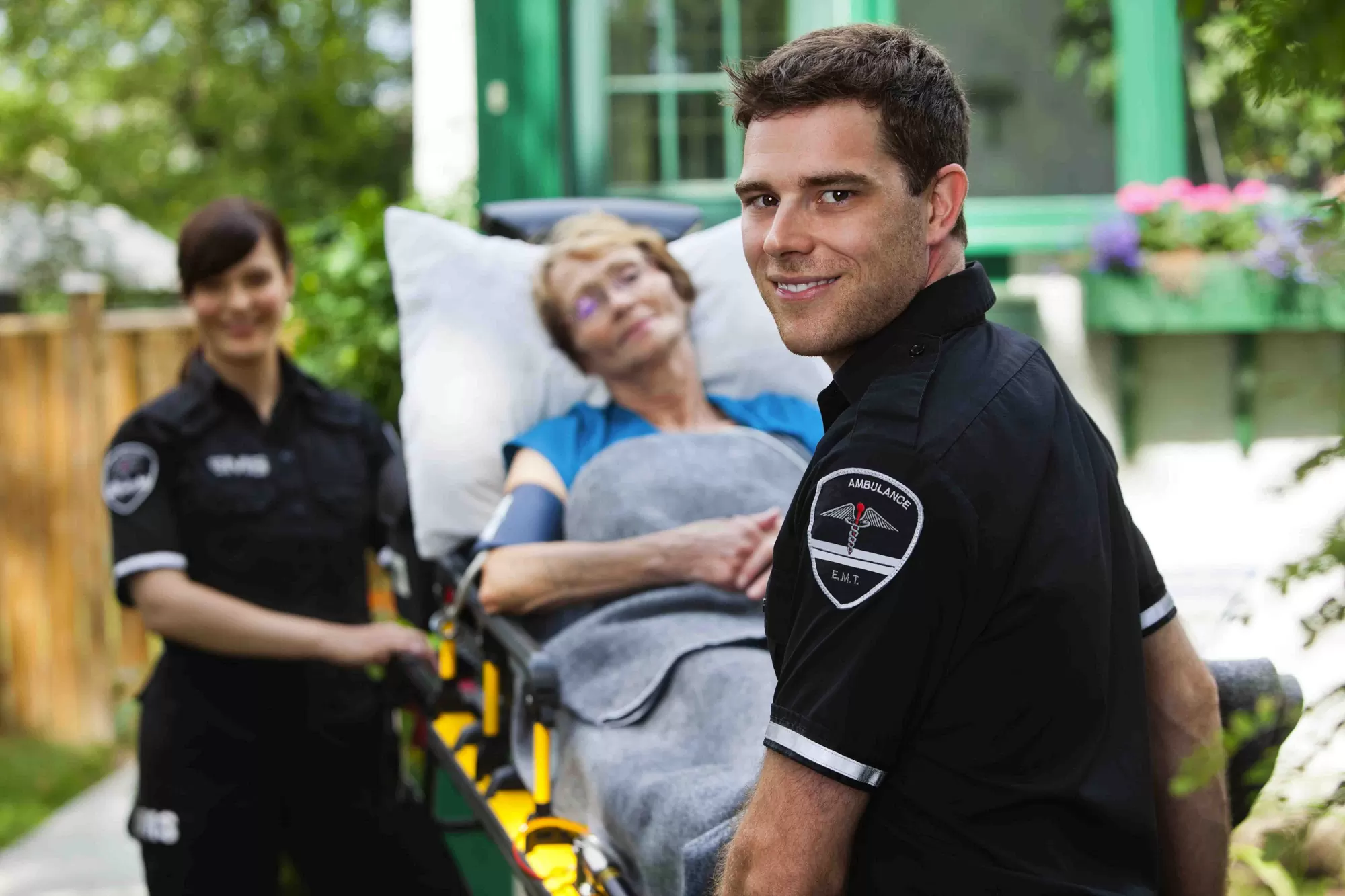
Hospitals, aged-care facilities and community vital-care schemes have used wristband identification systems for decades. The launch of new wristband-based vital-care programs across Australia and the UK shows the model is still evolving — and still saving lives.
Below is how vital-care wristband systems work, who they help, and how a hospital, council or community group can launch one of their own.
What a Vital-Care Wristband System Does
- Instant patient ID for any bedside or first responder.
- Allergy and condition flagging at a glance.
- Access control between wards or care facilities.
- Emergency contact info for first responders to use immediately.
Materials That Suit Different Use Cases
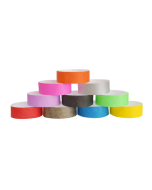
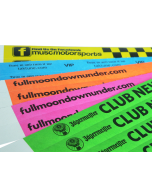
- Tyvek: cheap, single-use, machine-printable. Ideal for hospital admissions and short stays.
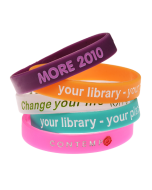
- Silicone: reusable, durable, comfortable. Good for chronic-condition patients and community vital-care schemes.
- Aluminium dog tag: engraved, permanent. Premium ID for high-risk patients.
Recommended for you
Products related to this article
Hand-picked to go with what you just read.
Launching a Community Vital-Care Scheme
- Identify the target population — elderly, severe allergies, dementia, children with chronic conditions.
- Decide the data set — name, conditions, emergency contact, allergies.
- Pick the material — silicone debossed for reusability, Tyvek for single-event distribution.
- Order in 500–5,000 unit batches for cost efficiency.
- Brief first responders on what to look for on each band.
Real-World Impact
Programs across the UK, Australia and the US report measurable improvements in first-responder reaction times when patients wear vital-care wristbands. The seconds saved at the start of an emergency — allergies known, conditions flagged, contact reached — routinely change clinical outcomes.
Working With Handband on a Vital-Care Order
Handband supplies thousands of hospital-grade wristbands to facilities and community schemes across the AU/NZ/UK regions. Brief our team with your data fields, expected unit count and timeline. We’ll come back with a quote, design proof and delivery date.
Frequently Asked Questions
Why do hospitals and vital-care schemes use wristbands?
Three reasons: instant patient ID at any bedside, allergy and condition flagging at a glance, and access control between wards. A scannable barcode or printed text on the band replaces fiddly paper records and badge clip-ons.
What information goes on a vital-care wristband?
Patient name, date of birth, medical record number, allergies (if any) and ward identifier. Hospital wristbands are typically machine-printed Tyvek for single-use; longer-stay or chronic-condition patients sometimes wear silicone or engraved metal IDs.
Are silicone wristbands suitable for in-hospital use?
Yes — especially for chronic condition patients (diabetes, allergies, dementia) who carry the same vital information across multiple visits. Custom debossed silicone bands survive sanitiser, showers and physiotherapy without fading.
How does a community vital-care scheme work?
Local councils or community health groups distribute branded wristbands to vulnerable residents (elderly, severe-allergy, dementia) with their key vital information — emergency contact, allergies, conditions. First responders can read the band on arrival, saving precious minutes.
How quickly can a hospital or care scheme order custom bands?
Stock blank Tyvek and silicone bands ship within days. Custom-printed Tyvek and debossed silicone take 1–3 weeks. Bulk pricing starts at 50 units and drops sharply at 500 and 5,000.

Written by
Founder, Handband
Founder of Handband; specialist in custom wristbands and promotional products for events, schools, charities, and brands.
← Previous
When Schools Ban Awareness Wristbands: The Help The Heroes Lesson (2026 Guide)
Next →
Handbands & Eating Healthy: How Wristbands Help Habits Stick (2026)
Comment(s)