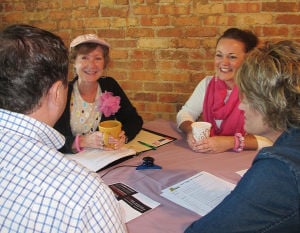
A sixth grader spent her recess hours at a folding table outside the school lunch room selling silicone bracelets — not for a class trip, not for a school cause, but for her 8-year-old friend who had been diagnosed with a brain tumor. By the end of three weeks the school had raised over ,000 for the family’s medical bills. The story spread to the local paper, then a few national news clips, then the broader childhood-cancer fundraiser community.
Stories like that one play out across Australia, the US, the UK and Canada every year. The pattern is consistent: a kid sees a friend struggle, decides to do something tangible, and a bracelet becomes the wedge that mobilises an entire school community. This guide walks through how those peer-led childhood cancer fundraisers actually work, what the elementary-school logistics look like, and the small details that separate the campaigns that hit four-figure sums from the ones that fade after a week.
Why a Cause Wristband at Elementary School Works
Every primary school is a tightly-connected community where news of a sick classmate spreads in days. That emotional infrastructure is exactly what a childhood cancer fundraiser needs — you don’t have to convince anyone the cause is real. The silicone bracelet brain tumor campaign is just the visible artefact of a story everyone already knows.
- is a kid’s lunch money, not a parental ask.
- Wear-time is high — classmates spot the band on each other for weeks.
- Peer-led trust — another kid sells you the band, not a stranger.
- Visible solidarity — bracelets become uniform-adjacent within a week.
The Engraving That Sells (5-Word Rule)
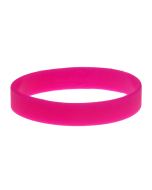
Custom debossed wristbands fit roughly 25 characters. The format that consistently raises the most for kids cancer fundraiser drives:
- FIGHT WITH [NAME] (e.g., “FIGHT WITH SAM”) for ongoing-treatment campaigns
- [NAME] STRONG (e.g., “SAM STRONG”) for moral-support drives
- TEAM [NAME] (e.g., “TEAM SAM”) for whole-class identity
Stick to the affected child’s first name only. Surnames eat characters and reduce readability at distance. Pick gold for childhood-cancer (the global awareness colour), or the family’s preferred colour if they have one.
Recommended for you
Products related to this article
Hand-picked to go with what you just read.
Get Permission First — A 10-Minute Conversation
Before launch, the affected family decides:
- Name format — first name, initials, or pseudonym.
- Cause-detail level — do they want diagnosis mentioned, or just “medical bills support”?
- Money flow — direct to family, or to a registered childhood-cancer charity?
- Press exposure — comfortable with local-paper coverage, or quiet?
See our Bracelets for Brooke template for a related personal-tribute fundraiser walkthrough, and the sports-team tribute case study for distribution channels.
The 4-Channel Distribution Plan for School Cancer Bracelets
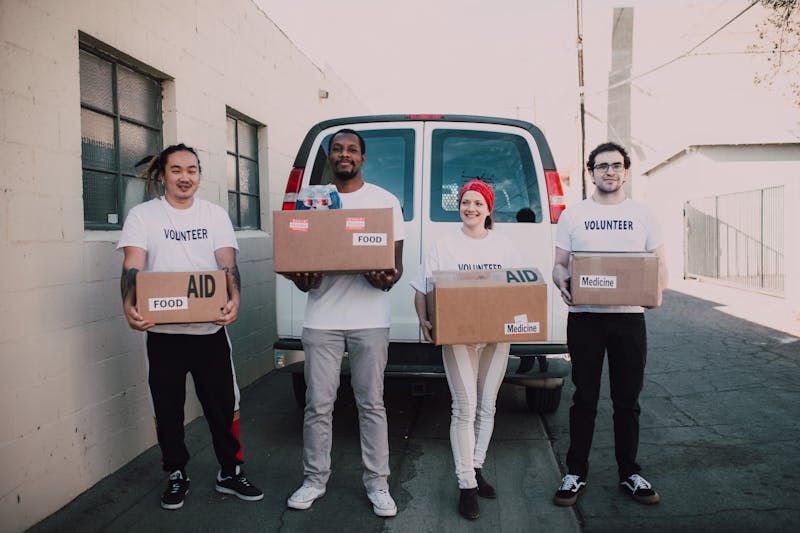
A 6-12 week elementary-school campaign typically moves 300-700 wristbands across these channels:
- Lunch table sales — 3 days a week, 20 minutes per recess.
- Classroom rep distribution — each Year 5-6 rep takes 30 bands, sells to teachers and friends.
- Parent-teacher night — staffed table near sign-in. The single highest-conversion night of the campaign.
- Local cafe / pub partner counter — 1-2 friendly venues with a laminated cause card.
Read our school fundraising overview for the structured campaign template.
Money Handling for Family Medical Bills Fundraisers
The single biggest mistake amateur fundraisers make is mixing campaign cash with personal accounts. Open a dedicated account labelled with the campaign name (e.g., “TEAM SAM Fundraiser”), or use the school P&C’s sub-account if one exists. Daily empties from the lunch-table jar go straight there. At campaign close, transfer the full amount in one transaction, photograph the receipt, hand-deliver a printed copy to the family.
If the recipient is a registered cancer charity (Cancer Council Australia, CanTeen, Make-A-Wish), donations are tax-deductible — mention this on the laminated counter card to lift donation amounts.
Classroom Fundraiser Ideas Beyond the Wristband
Pair the bracelet sale with a single classroom-led activity that gets press attention:
- Read-a-thon — sponsored reading per chapter, all proceeds to the family.
- Crazy hair / mufti day — gold-themed for childhood cancer awareness; entrance fee = wristband.
- Kid-led bake stall on a Saturday market day, with bracelets at the till.
- Sports-day match-fund pledge — parents donate per goal, kids get a band.
Browse the Fundraising category for the full product range with bulk pricing.
Press & Social Amplification: 24-Hour Window
Local newspapers will run a peer-led childhood cancer fundraiser story almost universally — if you give them a single contact email, a clean photo, and a 200-word summary. Send the email after the first big sale day. The 24-hour window after a Year-6 captain leads a school assembly is the highest amplification moment of the campaign.
Social media: photograph the lunch-table volunteers (faces blurred if under-13 or parental opt-out unclear), tag the school, the cause charity, and the local paper handle. Posts that include the affected child’s first name + a clear call-to-action consistently outperform generic awareness posts.
Honesty About Outcomes
Childhood brain cancer is brutal. Some campaigns end with a celebration; some end with a memorial. Either outcome deserves the same dignity. If the affected child passes, the bracelet doesn’t become inappropriate — it becomes a memorial keepsake the family will value for years. The fundraiser quietly transitions from active-support to remembrance, and that’s OK.
See our memorial wristband ideas piece for sensitivity guidance.
Closing Thought
The sixth grader at her lunch table didn’t set out to raise ,000. She set out to do something for her friend. The wristband was the prop; the school community was the campaign. Childhood cancer fundraisers rarely fail because of the product or the price — they succeed or fail based on whether one kid was willing to show up at the lunch table for three weeks straight. If you’re a parent, teacher or older sibling reading this for a friend’s family, that’s the only variable that really matters.
Frequently Asked Questions
How much can a peer-led childhood cancer fundraiser raise?
A typical 6-12 week primary-school campaign with 300-700 bracelets sold at raises ,500 to ,500 net. Larger schools or campaigns that catch local-press attention can reach ,000-5,000. The variable is reach (single school vs district) and venue partners (cafes, sports clubs).
What's the right colour for a childhood brain cancer fundraiser wristband?
Gold is the global colour for all childhood cancers. For brain tumour specifically, grey is the awareness ribbon colour. Many family campaigns choose the affected child's favourite colour instead — personal beats protocol when the cause is one specific kid.
Should we mention the diagnosis on the wristband?
Generally no — the affected family's privacy comes first. The wristband typically just carries the child's first name + a year or short slogan. The diagnosis goes on a laminated counter card or in the press release, only with explicit family permission.
How early should we order the wristbands?
Three weeks before the planned launch. Custom debossed silicone takes 7-10 business days production, plus shipping. Add a 7-day buffer in case the colour proof needs revision. For urgent cases, our 2u-in-24 express service can ship in 24 hours.
Are donations from a school cancer bracelet sale tax-deductible?
If the proceeds go to a registered DGR cancer charity (Cancer Council, CanTeen, Make-A-Wish), the donation portion (sale price minus band cost) is deductible. If proceeds go directly to a private family, donations aren't tax-deductible — just be transparent on the counter card.

Written by
Founder, Handband
Founder of Handband; specialist in custom wristbands and promotional products for events, schools, charities, and brands.
← Previous
School Fundraising and More: How Wristbands and Multibandz Power School Drives in 2026
Next →
John Brennan's Bowe Bergdahl Bracelet: How POW MIA Awareness Wristbands Work (2026)
Comment(s)