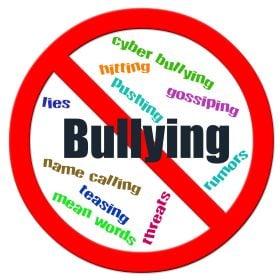
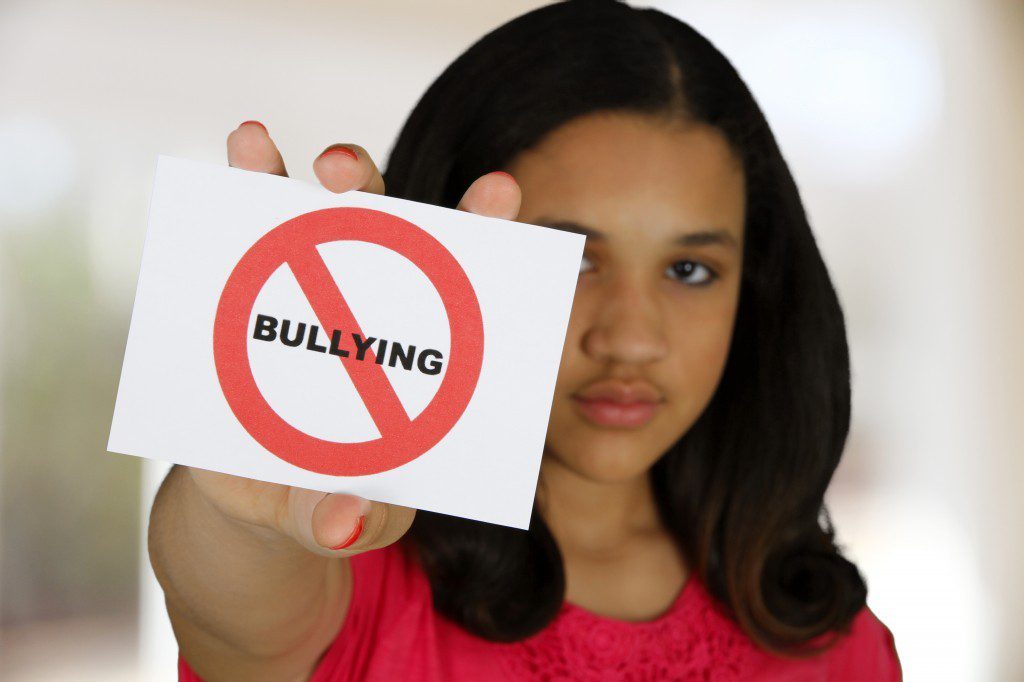
Bullying is one of the most persistent challenges schools and workplaces face, and the harm it causes — on mental health, attendance, learning and long-term wellbeing — is well documented. The annual National Day of Action against Bullying and Violence is one of the most important moments of the school year for taking a clear, public stand.
A simple wristband won’t solve bullying. But used inside a thoughtful anti-bullying program, it makes the message visible every day, not just on the assembly day. Here’s how to use it well.
Why a Visible Symbol Matters
Anti-bullying campaigns succeed when they shift the silent majority — the bystanders. Most kids are neither bullies nor targets. They’re watching. A clear visual cue worn by their peers signals what the social norm is, and gives quieter kids a safer way to take a stand.
That’s the role of a wristband: a small, daily, visible reminder of what your school or workplace believes.
What a Strong Anti-Bullying Program Looks Like
Schools and organisations with measurably lower bullying incidents share four common features:
- A written, well-communicated anti-bullying policy with clear consequences.
- Classroom and team lessons on what bullying is — especially the subtle, online and exclusionary kinds.
- Easy, confidential reporting pathways — both peer-led and adult-led.
- Regular check-ins with staff who are trained to respond, not panic.
Wristbands aren’t one of the four. They’re the daily visual that ties them together.
Recommended for you
Products related to this article
Hand-picked to go with what you just read.
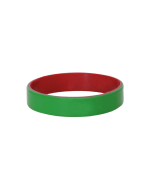
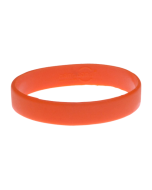
How Schools Use Anti-Bullying Wristbands
The most effective campaigns we’ve supplied followed roughly this pattern:
- Every student receives a wristband at a Friday assembly leading into the day of action.
- Year-level lessons during the week unpack what the wristband stands for — with case studies, role-plays and small-group work.
- Peer-led activities (lunchtime stalls, video projects, art walls) anchor the message at student level rather than just teacher-led.
- Parents are looped in via a school newsletter explaining what the wristband means and what the family can do at home.
- The wristband stays in circulation all term — not just for one day — reinforcing the message every time it’s seen.
Workplaces and Bullying
Workplace bullying is just as serious. Many companies now run their own day-of-action campaigns aligned with national dates. The structure looks similar — a wristband distribution combined with mandatory training, clearer reporting channels, and a public commitment from senior leaders. Visibility from the top is what tells employees the policy is real.
Choosing the Right Anti-Bullying Wristband
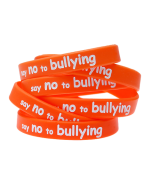
- Pre-printed: the iconic Say No to Bullying band (orange) is instantly recognisable and works as a low-effort drop-in for one-day campaigns.
- Custom debossed: engrave your school motto, anti-bullying pledge or hashtag for a personalised, longer-running design.
- Blank coloured: if you want a low-cost option for a whole-school day, blank wristbands in your campaign colour work well.
- Emotion bracelet: pairs naturally with anti-bullying content because it gives kids language for how they’re feeling.
Make the Day Count — and the Year After
The single best predictor of a successful anti-bullying campaign is whether it lasts more than one day. The wristband is the smallest, cheapest, most visible way to keep the message alive long after the assembly. Pair it with the substantive work and you’ll see it pay off in safer hallways, classrooms and offices.
Order your anti-bullying wristbands early, brief your team on the program around them, and build the kind of campaign students remember years later.
Frequently Asked Questions
When is the National Day of Action against Bullying and Violence?
In Australia it is held on the third Friday of March each year. Many schools and workplaces around the world use the same week for their own anti-bullying campaigns — some align with international Pink Shirt Day in late February.
Why is orange the colour of anti-bullying?
Orange has been adopted by the Pacer Center's National Bullying Prevention Center and is widely used by schools globally as a visible, attention-grabbing colour for unity. Some campaigns also use pink (Pink Shirt Day) or purple (Wear It Purple).
How can a school make an anti-bullying day go beyond just wearing a wristband?
The schools with measurable results combine four things: a clear anti-bullying policy, classroom lessons on bystander behaviour, a peer-support program, and consistent reporting pathways. Wristbands tie those four together as a visible signal that students live with daily.
Are anti-bullying wristbands appropriate for primary, high school and workplaces?
Yes — with different framing. Primary kids respond to bright colours and house competition. High schoolers want skinny styles that fit their personal style. Workplaces use them for one-day campaigns alongside training. The product is the same; the positioning changes.
How far in advance should we order anti-bullying wristbands?
Plan at least 3–4 weeks ahead. National anti-bullying days are predictable, and producing 200+ custom wristbands plus shipping needs roughly 2–3 weeks. Order earlier to avoid the rush in February and March each year.

Written by
Founder, Handband
Founder of Handband; specialist in custom wristbands and promotional products for events, schools, charities, and brands.
← Previous
How Wristbands Make School Events and Fundraisers Really Shine (2026 Guide)
Next →
Holiday Party Wristbands: Access, Tokens and LED Wow Factor (2026 Guide)
Comment(s)