How to Welcome a New Team Member: Onboarding Tips, Welcome Kits, and Branded Accessories That Make an Impact

Why the First Day Matters More Than You Think
Research consistently shows that the quality of a new employee's onboarding experience has a significant impact on their long-term engagement, performance, and retention. A structured, welcoming first day communicates to the new hire that the organisation is professional, cares about its people, and has invested in their success. Conversely, a disorganised or impersonal first day — no desk ready, no introduction to the team, no clear plan — sets a negative tone that can take months to overcome.
Getting the welcome right does not require a large budget. It requires intention, preparation, and small gestures that communicate genuine care.
Before They Arrive: Preparation Is Everything
Set Up Their Workspace in Advance
Nothing signals a poor first impression faster than a new employee arriving to find their desk is not set up, their computer has no account, or their access credentials are not ready. Run through a pre-arrival checklist at least 48 hours before their start date:
- Workstation or desk set up and clean.
- Computer, phone, and equipment provisioned and logged in.
- Email account and system access activated.
- Access passes, security cards, or key fobs prepared.
- First week schedule prepared and shared in advance.
Brief the Team Before the New Hire Arrives
Let the existing team know who is joining, their role, and when they start. Encourage team members to make proactive introductions and to include the new hire in casual conversations on day one. A welcoming team culture is not accidental — it needs to be actively cultivated, especially when a new person joins.
The Welcome Kit: Small Gestures, Big Impact
A well-curated welcome kit sitting on the new hire's desk on their first day is a powerful signal. It communicates that you anticipated their arrival, invested time in their welcome, and want them to feel part of the team from day one.
Effective welcome kits typically include:
- A personalised welcome note from their manager or team lead.
- Branded company merchandise — notebook, pen, water bottle, tote bag, or wristband.
- A team cheat sheet — names, roles, and fun facts about colleagues.
- Practical items — a lanyard, desk accessories, or a coffee voucher for the nearby café.
- Company culture guide — values, norms, communication channels, and key contacts.
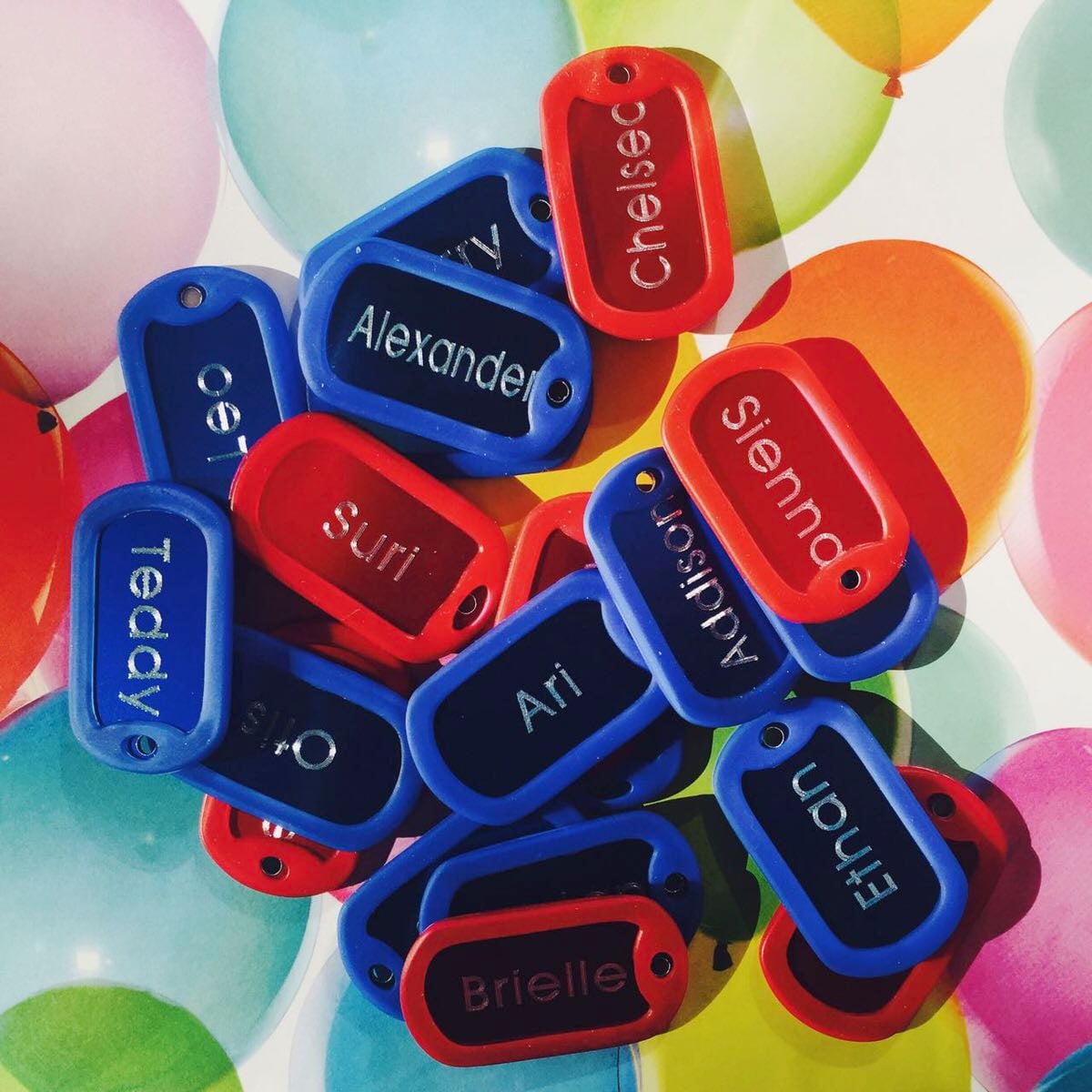
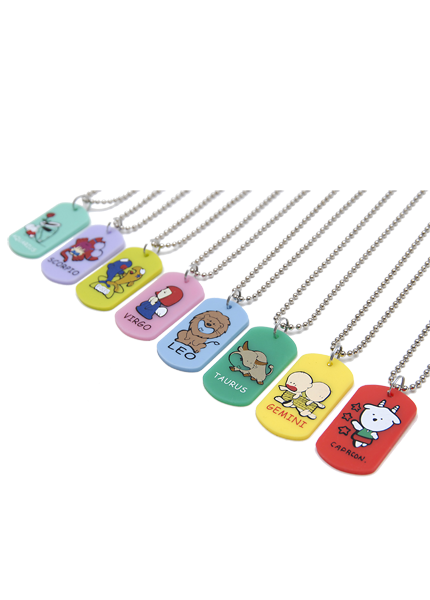
Branded accessories such as custom wristbands or dog tags are particularly effective welcome kit items. They are wearable, visible, and create an immediate sense of belonging. Explore our branded accessories range for customisable welcome kit options.
Structuring the First Day
The Morning: Orientation and Introductions
The first morning should be intentionally light on information overload. A tour of the workspace, introductions to immediate team members, and a review of the first week's schedule is sufficient for the first two hours. New hires are processing a huge amount of environmental and social information on day one — overloading them with policies and procedures before lunch is counterproductive.
Assign a Buddy or Mentor
Pairing a new hire with a buddy — a peer who can answer informal questions, show them around, and help them navigate the social dynamics of the team — dramatically improves the onboarding experience. The buddy relationship takes pressure off the manager and gives the new hire a low-stakes relationship in which to ask the questions they might feel embarrassed to raise formally.
For team identification and a sense of belonging, branded wristbands issued to all team members including new hires create an instant visual connection. Visit our branding page for team identity product options.



Beyond the First Day: Sustained Onboarding
The most effective onboarding programmes extend well beyond the first day. Research by SHRM and other HR bodies suggests that a structured onboarding programme spanning the first 90 days significantly increases new hire retention and time-to-productivity. Key elements of a sustained onboarding programme include:
- Weekly check-in meetings between the new hire and their manager for the first month.
- Structured learning milestones at 30, 60, and 90 days.
- Regular opportunities to meet and build relationships with people outside the immediate team.
- Formal feedback sessions to check in on how the new hire is feeling and what support they need.
Remote and Hybrid Onboarding
Welcoming a remote or hybrid employee presents additional challenges. Without the natural social interactions of a physical workspace, deliberate effort is needed to build connection. Posting a physical welcome kit to a remote new hire's home address — including branded merchandise, a welcome note, and practical items — has a powerful impact precisely because it bridges the physical distance.
Schedule video introductions with key team members in the first week, and build in regular informal touchpoints such as virtual coffee chats. Remote employees who feel connected and welcomed in their first weeks are significantly more likely to remain engaged long-term.
For more branded team merchandise ideas, browse our wristbands range.
Frequently Asked Questions
April 12, 2026

Share on Facebook

Share on X

Share on Pinterest
Comment(s)
Recent Posts