How to Plan Successful Online Events: Engagement Strategies, Merchandise, and Hybrid Solutions
The Rise of Online and Hybrid Events
Online events have become a permanent feature of the events landscape. Webinars, virtual conferences, online workshops, and hybrid gatherings — where some attendees join in person while others participate remotely — are now standard formats for organisations of every size. The challenge is no longer whether to run online events, but how to run them well.
This guide covers the key elements of successful online event planning: choosing the right platform, designing for engagement, managing hybrid logistics, and using branded merchandise to create a tangible connection with remote attendees.
Choosing the Right Platform for Your Online Event
Your platform choice shapes every other decision. Consider your audience size, the level of interactivity you need, your budget, and your technical capacity. Zoom and Microsoft Teams suit smaller, more intimate events where two-way conversation is central. Hopin, Whova, and Airmeet offer more structured virtual event environments with networking lounges, breakout rooms, and expo halls for larger conferences.
Key Platform Features to Evaluate
Look for: breakout room capability, live polling and Q&A tools, recording functionality, integration with your registration and CRM systems, and technical support options. Run a full rehearsal with your speakers and technical team at least a week before the event to identify and resolve any compatibility issues.


Designing for Engagement: Keeping Remote Attendees Active
The biggest risk with online events is passive consumption — attendees who join, mute themselves, and half-watch while doing other tasks. Counteract this by building interactivity into every session. Use live polls every 10–15 minutes, invite questions throughout rather than saving all Q&A to the end, and use breakout rooms for small-group discussion.
Gamification and Social Elements
Introduce friendly competition with leaderboards for participation, treasure hunts across your virtual event platform, or bingo cards based on event themes. Encourage attendees to share their branded merchandise on social media during the event, creating organic reach beyond your registered audience.
Branded Merchandise Kits for Virtual Attendees
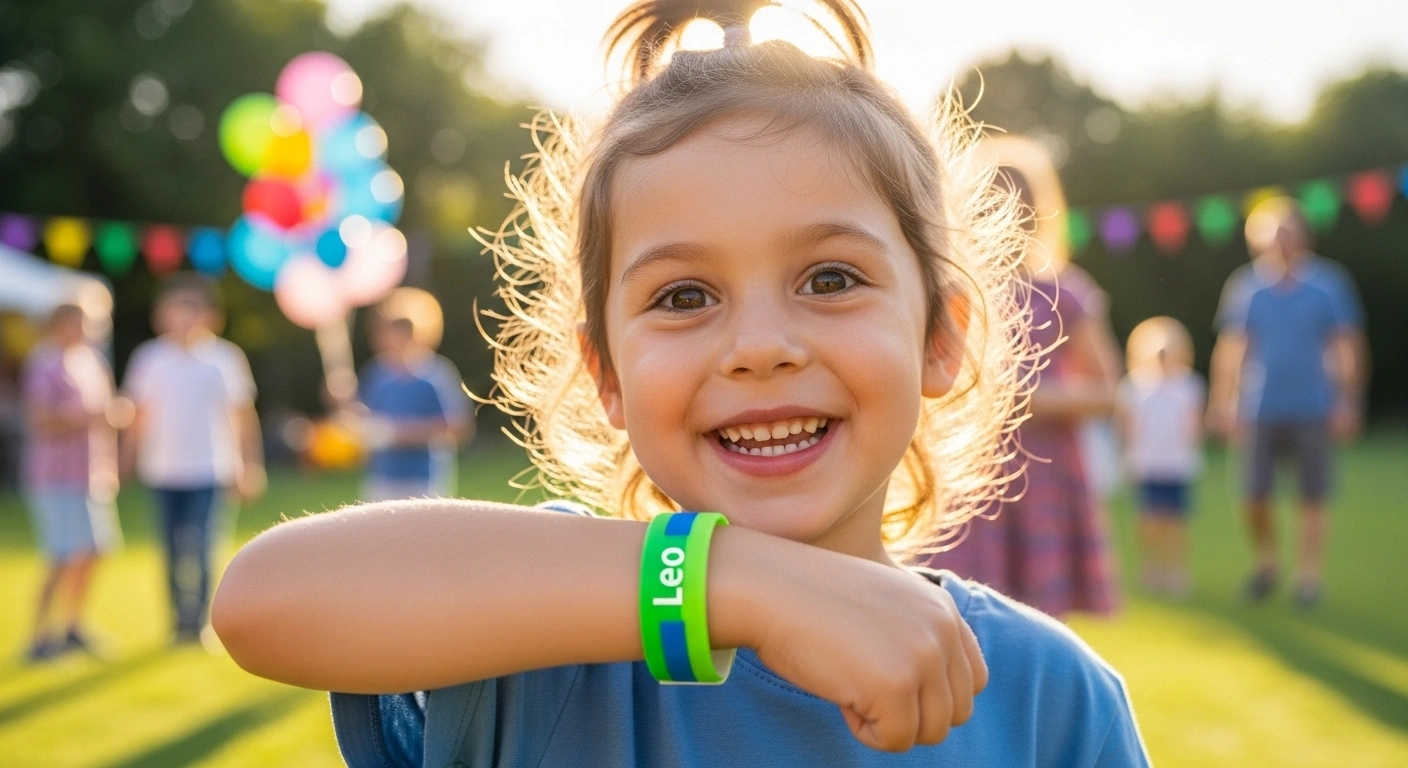
One of the most effective ways to bridge the gap between online and in-person experiences is to send physical merchandise to remote attendees before the event. A well-designed kit creates excitement before the event, gives attendees something to unbox and share on social media, and ensures that your brand is present in their physical environment during the event.
What to Include in a Virtual Event Kit
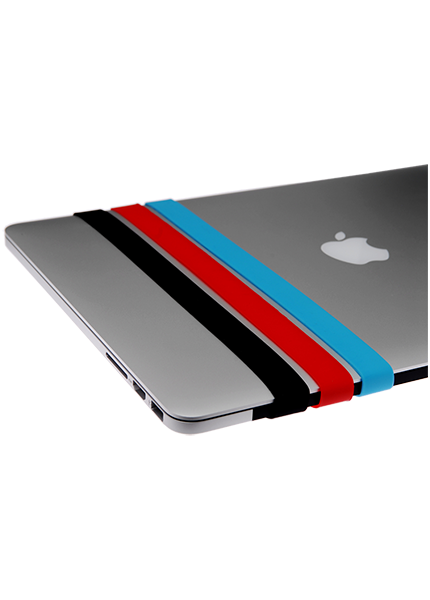
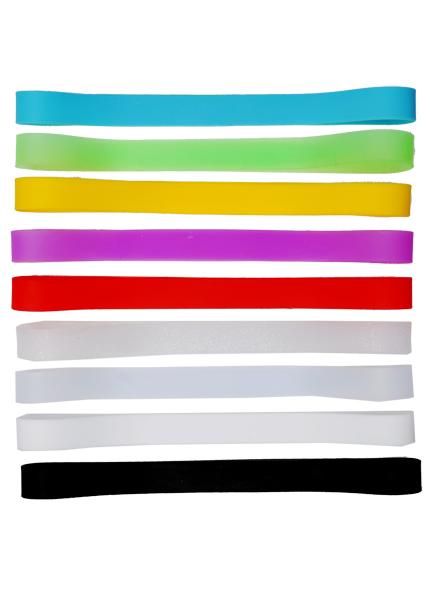
Popular kit items include custom wristbands, keychains, coffee cup bands, notebooks, and small branded accessories. Keep the kit compact and postal-friendly. Include a personalised welcome note and clear instructions for how each item relates to the event experience — for example, wearing the wristband during the event creates a visual moment of unity for the group photo at the end of the session.
Explore our custom wristband options and branded keychains for your virtual event kits.
Managing Hybrid Event Logistics
Hybrid events require simultaneous management of two very different attendee experiences. The in-person audience sees the full production environment; remote attendees depend entirely on what your cameras and microphones capture. Invest in quality audio-visual equipment and dedicate a team member specifically to managing the online stream and audience.
Bridging the Gap Between In-Person and Remote
Resist the temptation to treat the online stream as a secondary afterthought. Design sessions so that remote attendees can participate equally in Q&A, networking, and interactive activities. Use a dedicated online moderator to relay questions from remote attendees to in-room speakers, and ensure remote participants can see and hear clearly at all times.
Post-Event Follow-Up for Online Events
Online events generate rich data: attendance rates, session drop-off points, poll responses, and chat transcripts. Use this data to evaluate what worked and personalise your post-event communications. Send recordings to registered attendees who could not attend live, and follow up with targeted content based on sessions each person attended.
For branded merchandise and event kits that make your virtual events memorable, contact our team for a personalised quote. See also our range of fundraising products that work equally well for online charity events.
Frequently Asked Questions
What branded merchandise works best for virtual event kits?
Compact, postal-friendly items work best: custom wristbands, keychains, coffee cup bands, and small notebooks. Choose items that are lightweight for cost-effective shipping and relevant to your event theme.
How do I keep online attendees engaged throughout a long virtual event?
Use live polls every 10–15 minutes, integrate Q&A throughout sessions rather than at the end, and use breakout rooms for small-group interaction. Gamification elements like leaderboards and themed bingo cards also boost engagement significantly.
What is the difference between a webinar and a virtual event?
A webinar is typically a single-session, presenter-led broadcast with limited audience interaction. A virtual event is a multi-session, multi-day experience with networking spaces, exhibitor areas, and structured attendee interaction — closer in design to an in-person conference.
How early should I send merchandise kits to virtual event attendees?
Aim to have kits arrive 3–5 days before the event. This gives attendees time to unbox and share on social media, building pre-event buzz, and ensures late deliveries still arrive before the event day.
April 12, 2026

Share on Facebook

Share on X

Share on Pinterest
Comment(s)
Recent Posts