How to Plan Safe Events: Crowd Management, Access Control, and Wristband Best Practices
The Fundamentals of Safe Event Planning
Every successful event is built on a safety framework that most attendees never see. From the moment gates open to the final crowd dispersal, a well-planned safety operation keeps people moving, prevents incidents, and ensures that any emergency is handled swiftly and professionally. This guide covers the essentials: crowd management, access control, wristband systems, and emergency response planning.
Safe event planning begins long before event day. The decisions you make during the planning phase — about venue layout, staff ratios, communication systems, and access control tools — determine how effectively your team can manage the crowd once the doors open.
Crowd Management: Controlling Flow and Density
Crowd management is the practice of controlling how attendees move through your event space. Poor crowd management leads to bottlenecks, overcrowding, and in severe cases, dangerous crowd surges. The goal is to keep people moving steadily and predictably throughout the entire event.
Venue Capacity Planning
Calculate your venue's safe capacity before selling tickets. Most venues have a maximum legal capacity based on floor space and exit width. Divide your event into zones and set capacity limits for each zone — not just for the overall venue. Selling out one zone while another is empty is safer than packing everyone into the most popular area.




Entry Management and Staggered Arrival
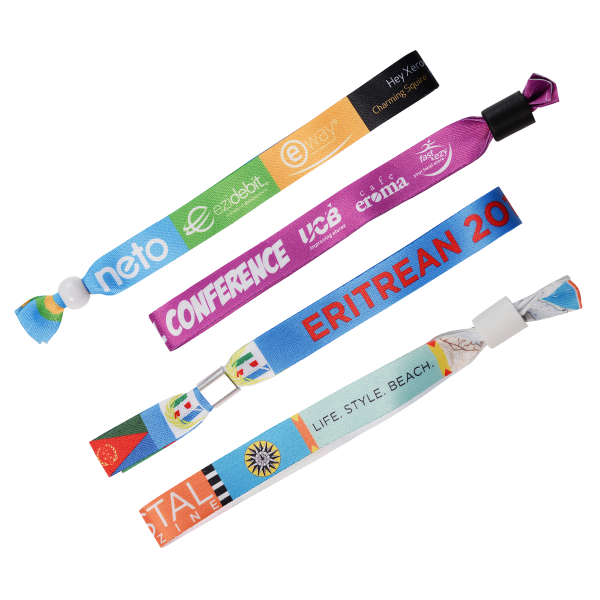
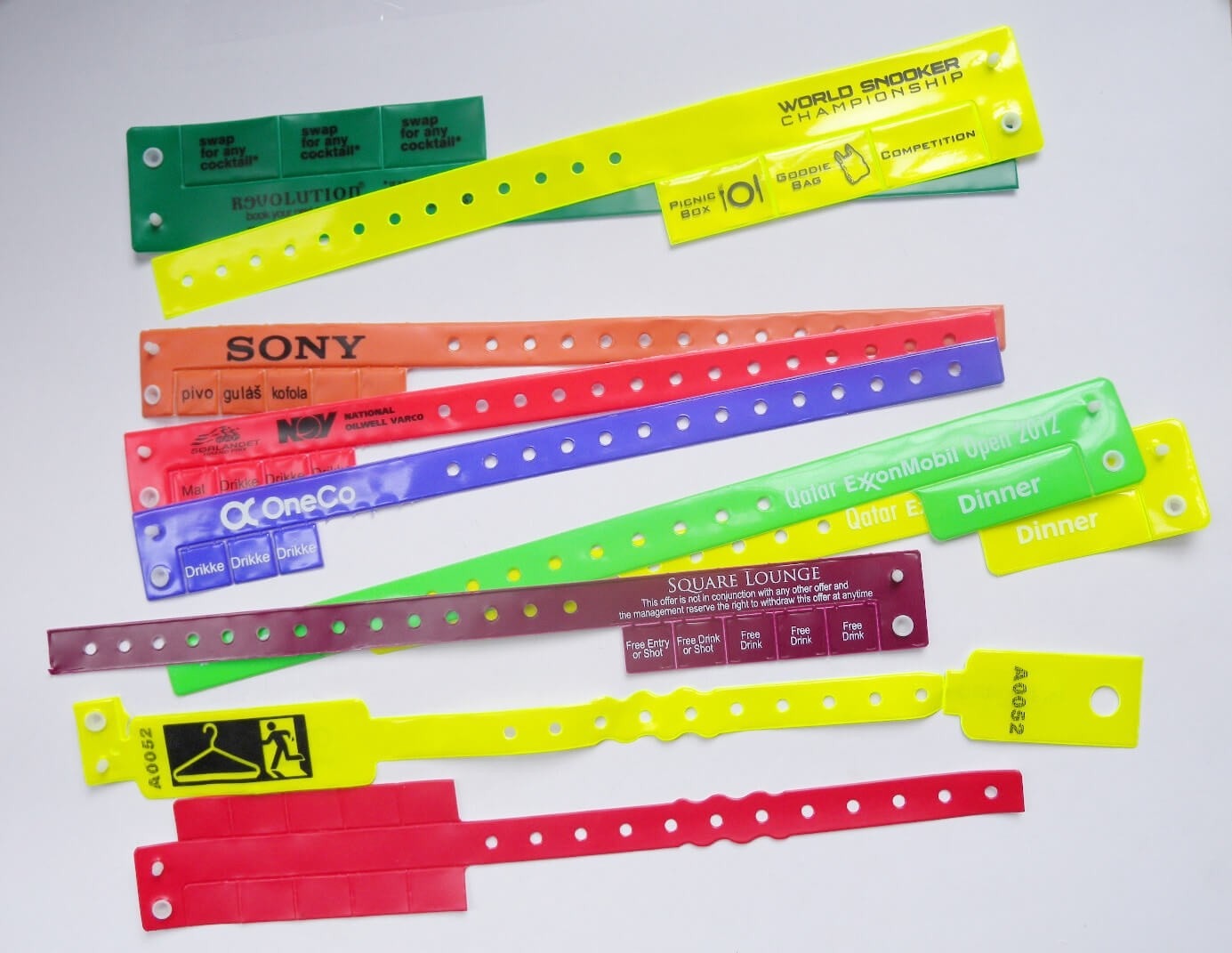
Staggered entry times — where different ticket tiers or registered groups enter at different times — reduce congestion at gates and security checkpoints. Communicate arrival windows clearly to attendees before the event. Colour-coded wristbands make it easy for gate staff to verify entry time slots at a glance.
Access Control Zones and Wristband Colour-Coding
A clear access control system protects restricted areas, manages crowd density, and gives security staff the information they need without slowing down attendee flow. Define your zones — general admission, premium, backstage, production, staff-only — and assign a distinct wristband colour to each.
Choosing the Right Wristband for Each Zone
Tyvek wristbands are the industry standard for single-day events: tamper-evident, lightweight, and cost-effective at scale. For multi-day access, fabric wristbands with barrel lock closures are more durable and comfortable. For high-security zones, use inkjet-printable tyvek with sequential numbering or barcodes that your team can scan at entry points.
Browse our full range of event wristbands, including tyvek, fabric, and PVC options for every security level.
Staff Briefing and Communication Systems
Every staff member must understand the safety plan before the event opens. Run a pre-event briefing that covers: zone boundaries and access rules, radio channels and communication protocols, the location of first-aid stations and emergency exits, and the escalation procedure for incidents. A staff member who is uncertain about their role in an emergency is a liability. Certainty and clear protocols create a confident, effective team.
Emergency Response Planning
Your emergency response plan should cover medical emergencies, fire evacuation, severe weather, security incidents, and crowd surge prevention. Each scenario needs a documented response procedure, a clear chain of command, and designated staff responsible for executing each step.
First-Aid Coverage Ratios
Industry guidelines typically recommend one first-aider per 50–100 attendees for low-risk events, increasing to one per 25–50 for higher-risk formats like music festivals or sporting events. Consult with your first-aid provider and local authority to confirm the right ratio for your specific event.
Post-Event Safety Review
Every event generates safety learnings. Hold a structured debrief with your safety team within 48 hours, while memories are fresh. Document every incident, near-miss, and observation — however minor. This record becomes the foundation for improvement and demonstrates due diligence to insurers and regulatory bodies.
For expert advice on wristband selection for your access control system, contact our team. You can also explore our full custom wristband range and tyvek wristbands for single-day events.
Frequently Asked Questions
What is the difference between tyvek and fabric wristbands for events?
Tyvek wristbands are lightweight, tamper-evident, and ideal for single-day events. Fabric wristbands with barrel lock closures are more durable and comfortable for multi-day events where attendees wear them for extended periods.
How do I set up colour-coded access zones for a large event?
Define your zones and assign a distinct wristband colour to each. Choose colours that are visually distinct in both daylight and artificial light. Brief all security and gate staff on the colour system before gates open and post zone colour charts at all entry points.
What ratio of security staff to attendees should I plan for?
A commonly used ratio is 1 security staff member per 100–200 attendees for lower-risk events, increasing to 1 per 50–100 for higher-risk formats. Consult with your venue, local council, and security contractor for specific guidance.
Do I need to submit a safety plan to run a public event?
Most local councils require a safety management plan as part of the event permit process. Requirements vary by council and event size — contact your local authority early in the planning process to understand exactly what is required.
April 12, 2026

Share on Facebook

Share on X

Share on Pinterest
Comment(s)
Recent Posts