How to Motivate Your Child at School: Reward Systems, Wristbands, and Encouragement Strategies That Work

Understanding What Motivates Children
Motivation in children is not a single, simple thing. Psychologists distinguish between intrinsic motivation — doing something because it is inherently enjoyable or meaningful — and extrinsic motivation — doing something to earn a reward or avoid a consequence. Both types of motivation matter, but the balance between them significantly influences how children approach learning, challenges, and effort over the long term.
Research by Carol Dweck and others has shown that how parents and teachers respond to children's efforts shapes their motivational orientation. Children praised for effort ("You worked really hard on that") develop greater resilience and intrinsic motivation than children praised primarily for outcome or ability ("You're so clever"). This distinction — often called growth mindset versus fixed mindset — is one of the most important frameworks for understanding and nurturing children's motivation.
The Power of Tangible Reward Systems
While intrinsic motivation is the long-term goal, tangible reward systems are highly effective in the short term — particularly for younger children, or for establishing new habits that do not yet feel natural. Reward systems work by creating a visible connection between effort and outcome, giving children concrete evidence that their work produces results.
Sticker Charts and Progress Trackers
A classic sticker chart is one of the most effective tools for motivating young children (ages 3-8). The act of placing a sticker on a chart provides immediate, tangible recognition of the desired behaviour. Progress is visible, and reaching milestones (completing a row, filling the chart) triggers a pre-agreed reward. The key to making sticker charts work is consistency — applying stickers immediately after the behaviour and honouring the agreed reward when milestones are reached.
Wristband Reward Systems
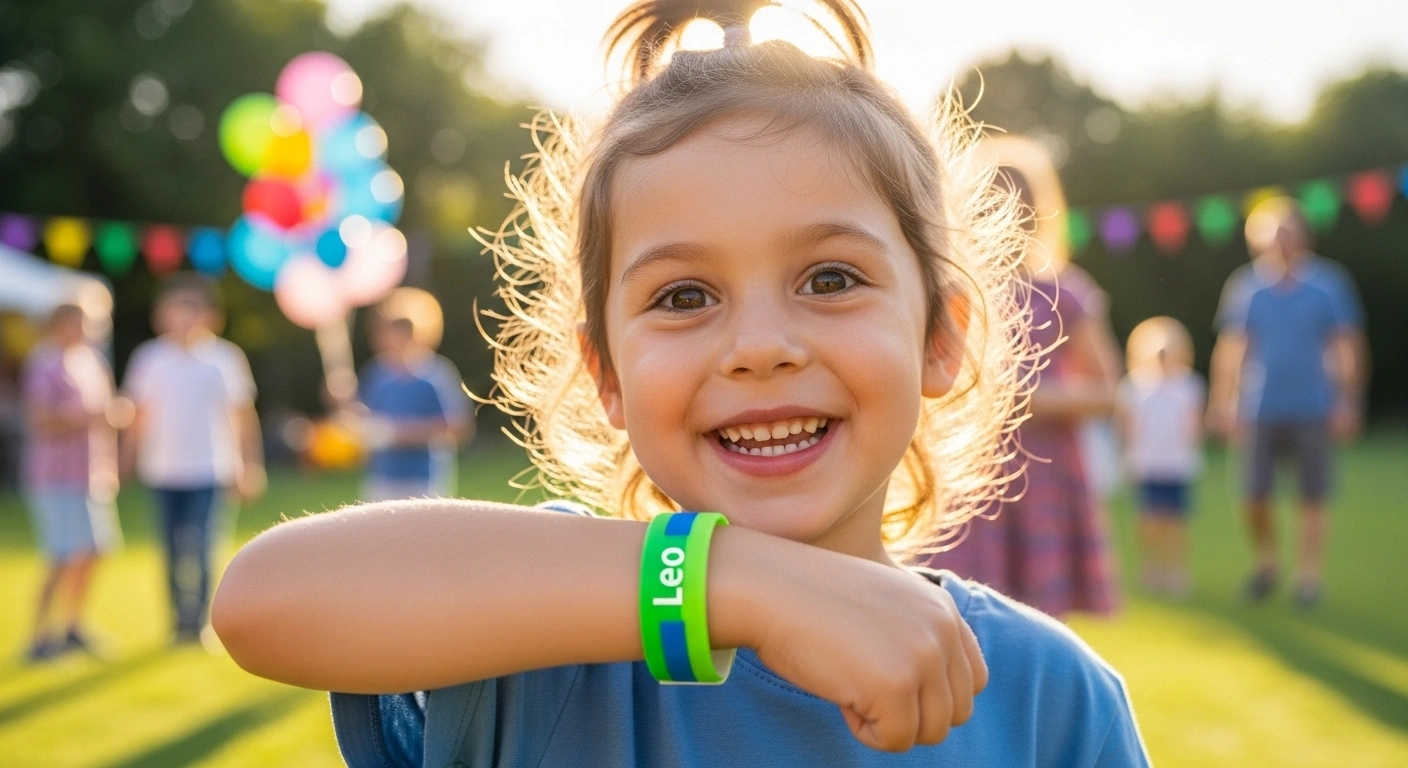
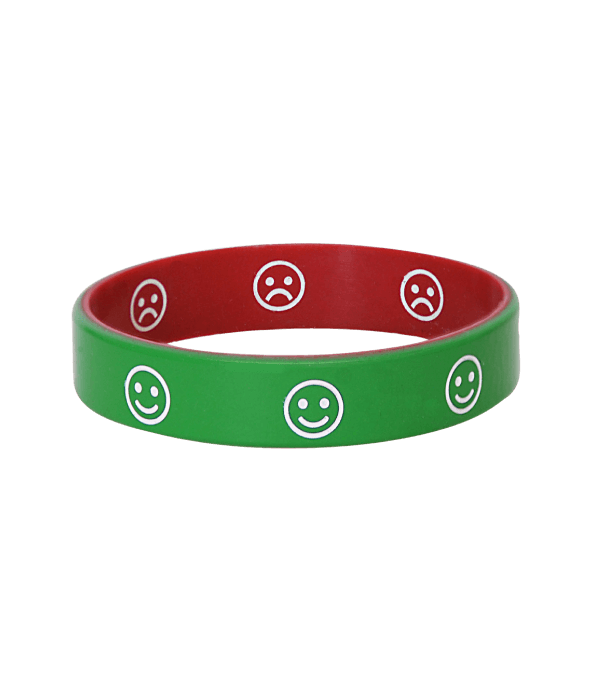
For older children (ages 7-14), wristbands offer a more age-appropriate and wearable reward system. The colour-coded wristband approach works particularly well in classroom settings: children start each week with a neutral band and earn a new colour band for meeting specific goals — completing homework on time, reaching a reading target, demonstrating kind behaviour, or achieving a set number of correct answers in a test.
The wristband serves as a visible, wearable badge of achievement. Unlike a sticker on a chart at home, a wristband is worn to school and seen by peers — which for many children is a powerful motivator. The social visibility of the reward increases its value.
Explore our range of school reward wristbands for colour-coded options that work beautifully in classroom reward programmes.
Goal Setting: Making Targets Concrete
Children are more motivated when goals are specific, achievable, and personally meaningful. Vague goals like "do better at school" are demotivating because progress is invisible. Specific goals like "read for 15 minutes every day this week" or "complete three maths worksheets before Friday" give children clear targets to aim for and a clear sense of achievement when they hit them.
Involve children in setting their own goals wherever possible. Children who choose their own targets feel more ownership over them and are significantly more likely to follow through. Use the wristband colour system to visually mark goal achievement — a new band colour each week a goal is met creates a growing visual record of success.
The Role of Praise in Building Motivation
Praise Effort, Not Just Outcome
When children receive praise primarily for being clever or talented, they learn to avoid challenges that might expose the limits of their ability. When they receive praise for effort, strategy, and perseverance, they develop the understanding that ability can be developed — and they become more willing to tackle difficult tasks.
Specific, genuine praise is more motivating than generic praise. Compare: "Well done" versus "I noticed you kept trying even when that problem was really hard — that persistence is impressive." The second is more informative, more credible, and more motivating.
Avoid Comparison with Siblings or Peers
Comparing a child's performance to that of a sibling or classmate is deeply demotivating for most children. It shifts focus from personal growth to relative ranking — a frame in which there is always someone ahead of you. Compare the child to their own past performance instead: "You read so much faster now than you did three months ago."
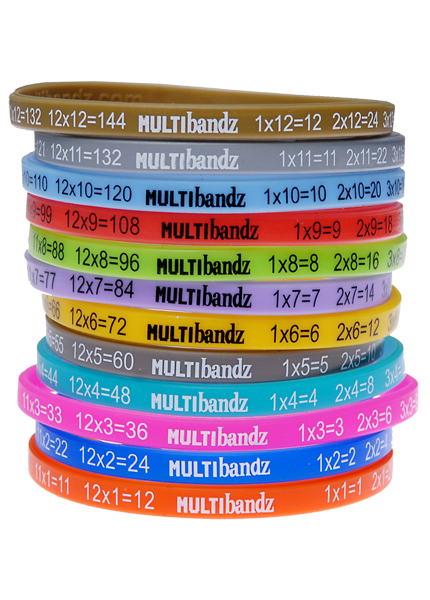
Our reward wristband range includes a variety of colours and styles for home and school reward programmes.




Reading Challenges and Academic Motivation
Reading is one of the areas where motivation gaps most commonly develop in primary school-aged children. Children who struggle with reading become avoidant, which leads to less practice and a widening gap relative to peers. Breaking the cycle requires making reading feel achievable and rewarding.
A home reading challenge with wristband rewards works as follows: set a specific daily reading goal (even 10 minutes is sufficient), track it on a visible chart, and issue a new wristband colour each week the target is consistently met. Allow the child to keep all the bands they earn — building a collection becomes its own motivator.
Behaviour Tracking at School
Many schools use positive behaviour support frameworks that emphasise rewarding positive behaviour over punishing negative behaviour. Wristband systems integrate naturally into these frameworks: children earn a colour-coded band for demonstrating specific targeted behaviours such as helping a classmate, showing kindness, or staying on task during independent work.
The physical, wearable nature of the reward means it provides ongoing positive reinforcement throughout the school day — every time the child or a peer notices the band, the associated positive behaviour is implicitly reinforced.
When Motivation Seems Impossible to Find
Some children go through periods of persistent low motivation that seem resistant to all strategies. In these cases, it is worth considering whether there may be an underlying issue — a learning difficulty, anxiety, social difficulty at school, or a mismatch between the child's learning style and the teaching environment. If your child consistently shows low motivation across multiple areas of life for an extended period, speaking with a school counsellor or child psychologist can help identify the root cause.
For school-specific resources, visit our schools product range.
Frequently Asked Questions
April 12, 2026

Share on Facebook

Share on X

Share on Pinterest
Comment(s)
Recent Posts