All the Steps You Need for Planning the Perfect Fundraiser

Why Fundraiser Planning Determines Your Outcome
A successful fundraiser doesn't happen by accident. The difference between a campaign that exceeds its goal and one that falls flat almost always comes down to planning — specifically, how early you start, how clearly you communicate your cause, and how effectively you engage your audience before, during, and after the event.
This guide walks you through the essential steps for planning a fundraiser that raises real money, builds community, and leaves donors wanting to contribute again next year. Along the way, we'll show you how branded wristbands and promotional products can amplify your reach and revenue at every stage.
Step 1: Define Your Goal and Cause Clearly
Every successful fundraiser begins with clarity. What exactly are you raising money for? Who will benefit? How much do you need to raise to make a measurable difference? A specific, emotionally resonant cause statement is more compelling to donors than a vague appeal. "We're raising $10,000 to fund sensory equipment for children with disabilities" outperforms "we're raising money for our school" every time.
Step 2: Choose Your Fundraising Format
The format of your fundraiser should match your audience, your cause, and your available resources. Options include charity auctions, fun runs, trivia nights, online crowdfunding, gala dinners, community markets, and merchandise sales. Many successful fundraisers combine two or three formats — for example, a fun run that also sells branded merchandise and includes an online donation component.



Steps 3 Through 7: Execution and Momentum
Step 3: Build Your Fundraising Team
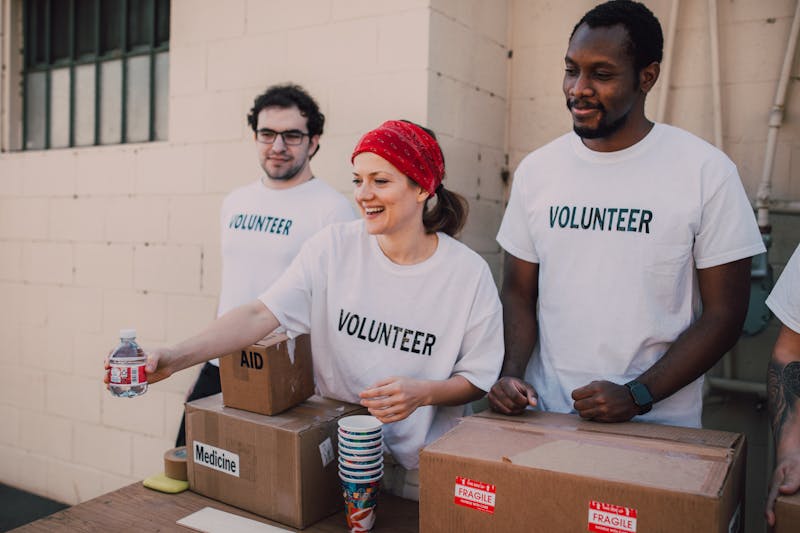
A fundraiser is only as strong as the people behind it. Recruit volunteers with specific skills — someone to manage social media, someone to handle logistics, someone to manage donor communications. Clear role allocation prevents duplication and ensures nothing falls through the cracks.
Step 4: Create Compelling Fundraising Merchandise
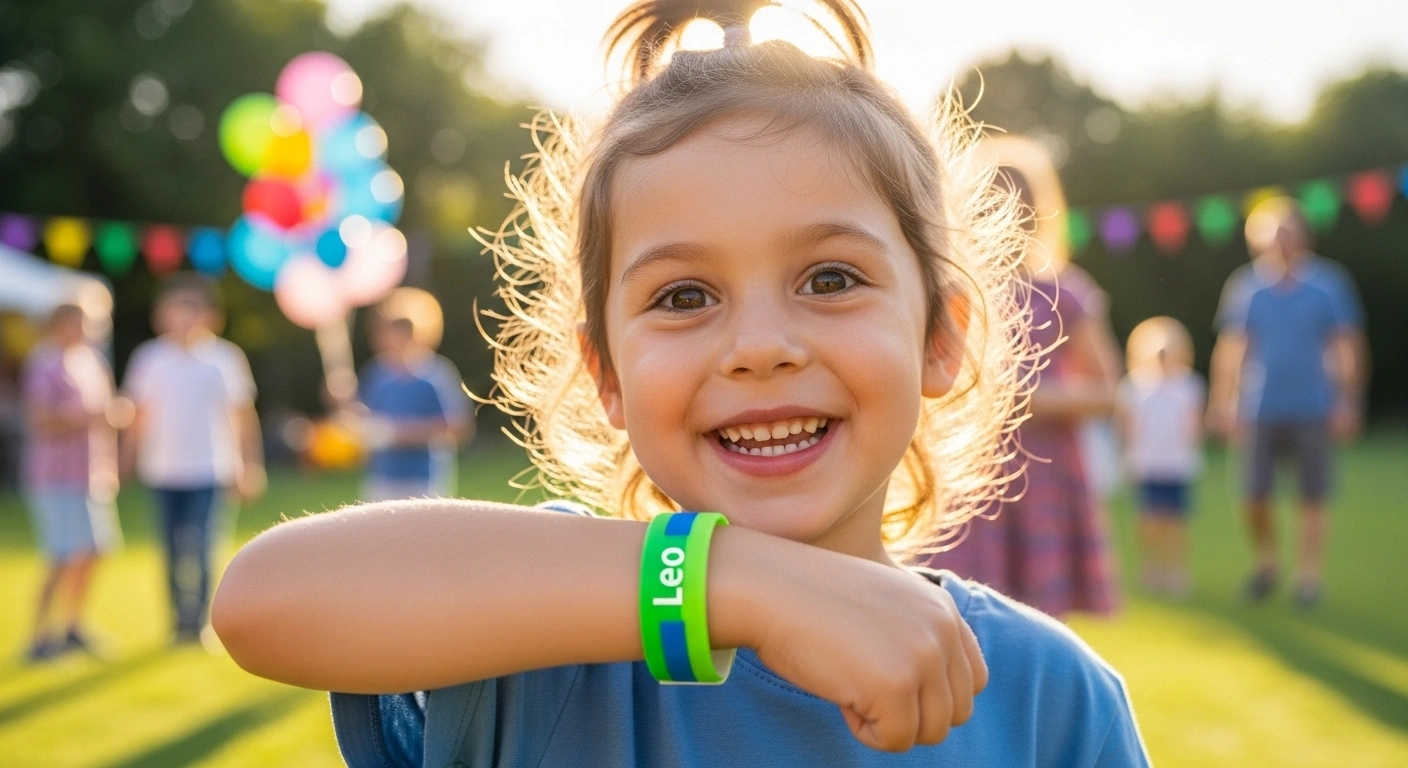
Branded merchandise serves dual purposes: it raises additional funds through direct sales, and it turns every buyer into a walking ambassador for your cause. Custom silicone wristbands are the most popular fundraising merchandise item for a reason — they're affordable to produce, easy to sell, and worn publicly for months after the event. A well-designed wristband can sell for 5–10x its production cost at a fundraising event.
Step 5: Leverage Social Media Before and During the Event
Create a campaign hashtag, share your cause story, post regular countdown content, and encourage your team to share personal reasons for supporting the cause. During the event, live updates, behind-the-scenes content, and real-time donation trackers create momentum and FOMO that drives last-minute donations.
Step 6: Acknowledge Every Donor
Donor recognition is not just good manners — it's a strategy. Donors who feel genuinely appreciated are significantly more likely to give again. Public acknowledgement (with permission), thank-you emails, and personalised notes for major donors build long-term supporter relationships that outlast any single fundraising campaign.
Step 7: Report Back on Impact
Close the loop with every donor by reporting what their contribution achieved. A simple post-event email with a photo and a specific outcome ("Your support helped us purchase three sensory kits for classrooms") creates the emotional connection that drives future giving.
Products That Help Fundraisers Succeed
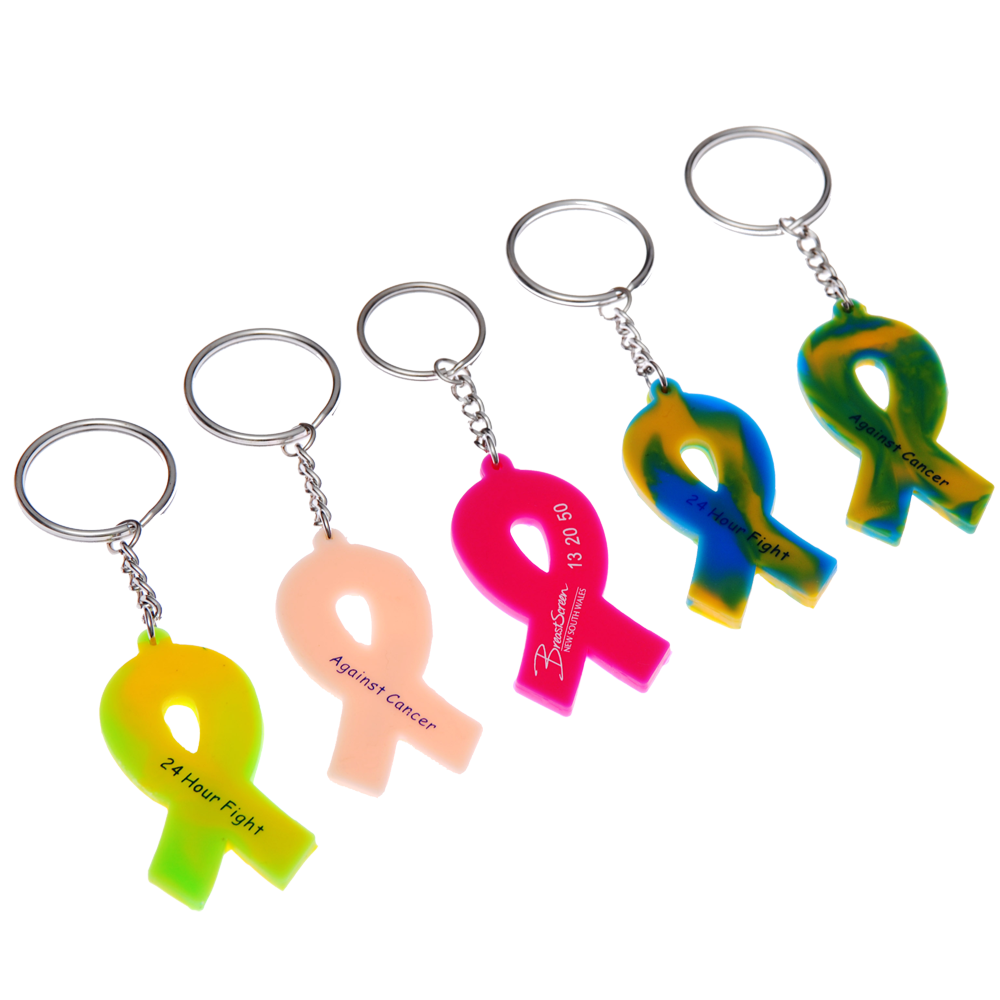
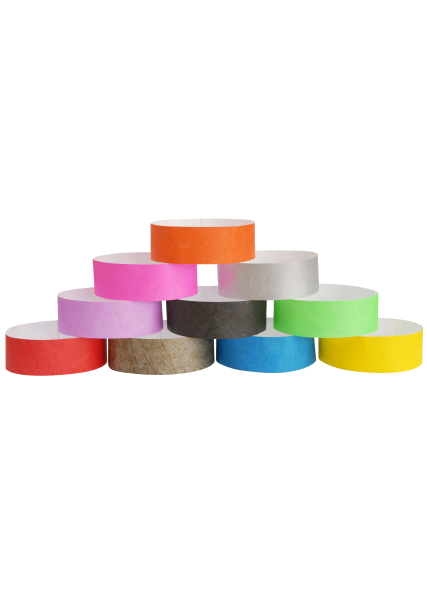
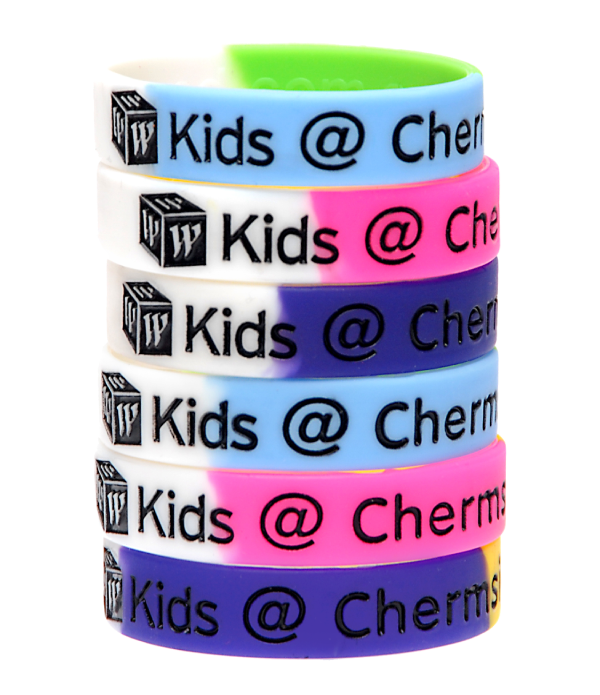
The right branded merchandise can significantly increase your fundraiser's revenue. Custom colour wristbands are your most versatile option — high visibility, low cost, and universally popular. Ribbon keychains add a cause-specific visual element that works particularly well for health and awareness fundraisers. Multi-colour wristbands let you incorporate your organisation's brand colours for maximum visual impact.
Start your fundraiser merchandise planning early — at least 4 weeks before the event — to allow for design, production, and delivery. Handband's team can assist with artwork and colour selection to ensure your merchandise reflects your cause beautifully.
Frequently Asked Questions
What are the most important elements of a successful fundraiser?
A clear, emotionally compelling cause statement; a defined financial goal; a motivated team; a multi-channel promotion strategy; and quality branded merchandise are the five most critical elements. Fundraisers that communicate their impact clearly and make it easy for people to give — both online and in person — consistently outperform those that don't.
How do wristbands help with fundraising?
Custom wristbands are among the most effective fundraising merchandise items available. They're inexpensive to produce in bulk, can be sold at a significant margin above cost, and are worn publicly for long periods — continuing to promote your cause well after the fundraising event ends. They also create a sense of shared identity among supporters.
What is a realistic profit margin for fundraising wristbands?
A typical fundraising wristband retails for $2–5 per unit and can be produced for $0.30–0.80 per unit in bulk. That represents a margin of 3–15x the production cost, making them one of the most profitable fundraising merchandise items available at any event.
How early should I start planning a fundraiser?
For events involving catering, ticketing, and merchandise, start planning at least 8–12 weeks in advance. Merchandise orders should be placed at least 4 weeks before the event. Online crowdfunding components can launch earlier to build momentum — many successful campaigns run for 4–6 weeks before the event itself.
April 12, 2026

Share on Facebook

Share on X

Share on Pinterest
Comment(s)
Recent Posts