

The ID check happens once, at the door, by someone trained to do it. Everything after that depends on the bar being able to see the result from two metres away in low light. A wristband moves the age decision to the entrance where it belongs, so bar staff serve on a visual cue rather than re-assessing every customer mid-rush.
Move the decision to the door, once
Asking bar staff to judge age at the point of sale during a rush is where refusals get missed. Checking ID once at the entrance and banding the result means the bar reads a colour instead of making a licensing decision with a queue behind it. It also gives you a defensible, consistent process if you are ever audited.
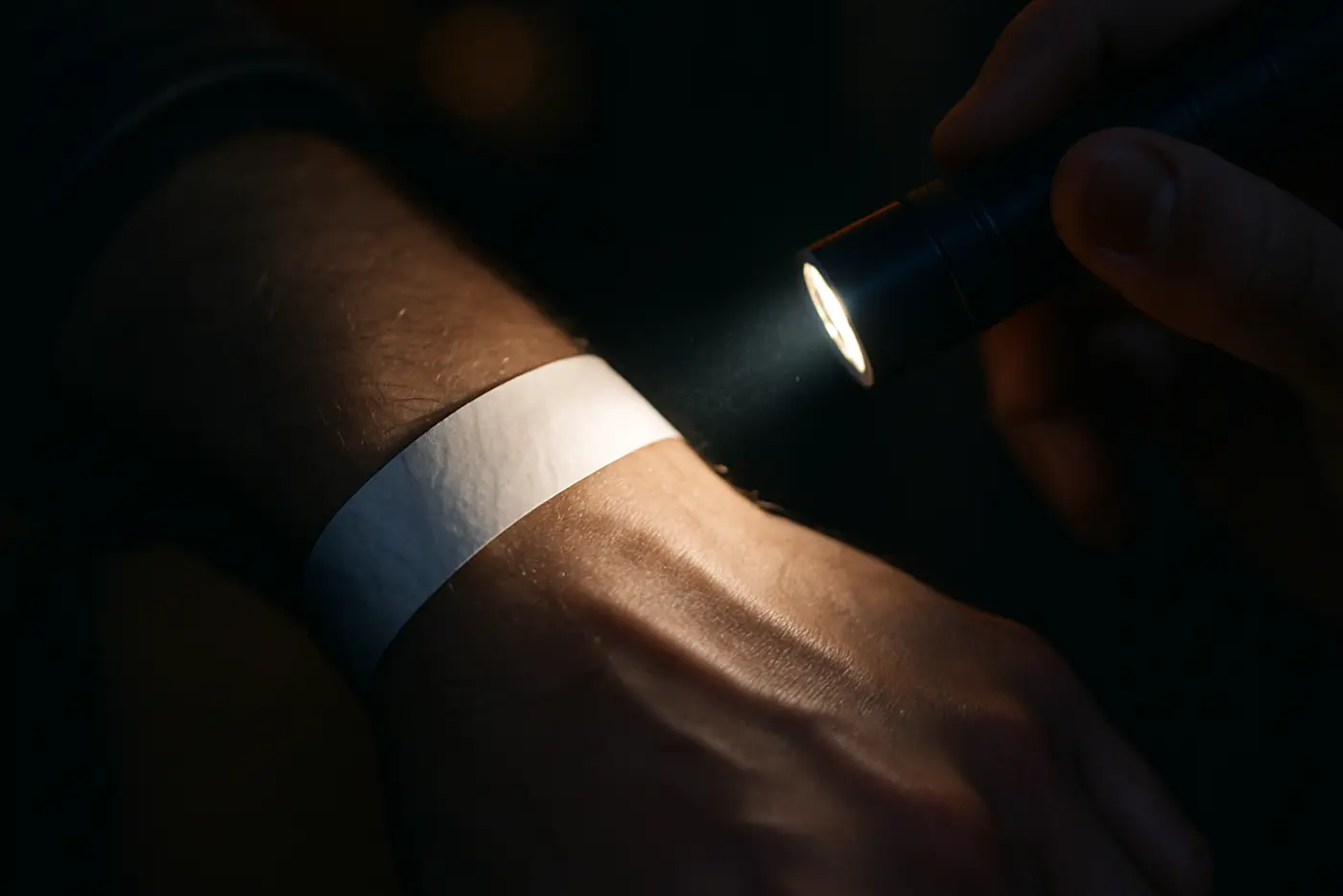
Single-use bands that destroy on removal
A band that can be peeled off and handed to an underage friend defeats the whole system. Adhesive Tyvek bands are designed to tear when removed, which is exactly the property you need. A custom-printed Tyvek band also lets you print the date so last night's bands are useless tonight.
Recommended for you
Products related to this article
Hand-picked to go with what you just read.

Change the colour every trading night
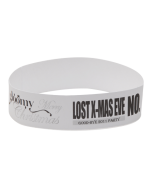
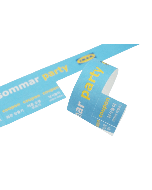
Any band scheme run on the same colour week after week invites people to keep one and re-fit it. Rotating colours nightly, or printing the date, means a band only works on the night it was issued. Keep the rotation unpredictable rather than a fixed weekly cycle.
Tear-off tabs for drink limits and promotions
Some venues need more than an age flag — a complimentary drink, a limited promotion, a function package. A band with tear-off tabs lets bar staff remove a tab per redemption, so entitlements are tracked on the wrist rather than on a list nobody has time to check.
Make the colour readable in venue lighting
Low light, coloured stage lighting and dark clothing make some colours effectively invisible at a bar. Test candidate colours in your own venue at night before committing to a print run — a full-colour printed band gives you high-contrast options that survive spills and condensation.
Train the door and the bar on the same rules
The system only holds if door staff never band anyone without seeing ID, and bar staff never serve anyone without a band, including regulars and staff friends. Written into a house policy and briefed at every shift start, it takes about a minute; skipped, it is the single point where these schemes fail.
Frequently Asked Questions
Quick answers from the Handband team
Why band customers instead of checking ID at the bar?
So the licensing decision is made once, at the door, by trained staff — not by a bartender judging age mid-rush with a queue waiting.
What stops a band being passed to an underage friend?
A single-use adhesive band that tears when removed. It cannot be taken off intact and refitted.
Should we change band colours?
Yes — rotate nightly or print the date, so a band kept from a previous night does not work. Avoid a predictable weekly cycle.
Can wristbands track drink promotions too?
Yes. Tear-off tabs let bar staff remove one per redemption, so entitlements are tracked on the wrist rather than on a list.
Which colours work in a dark venue?
Test in your own venue at night. Coloured stage lighting makes some shades invisible at the bar, so high-contrast options are safer.
Does banding replace ID checking?
No. It records that an ID check happened. Door staff must still see ID before any band goes on.
What is the most common failure?
Staff banding people they know without checking ID, or serving regulars without a band. The policy has to apply to everyone.

Written by
Founder, Handband
Founder of Handband; specialist in custom wristbands and promotional products for events, schools, charities, and brands.



Most Sincerely,
Karen Eglintine