
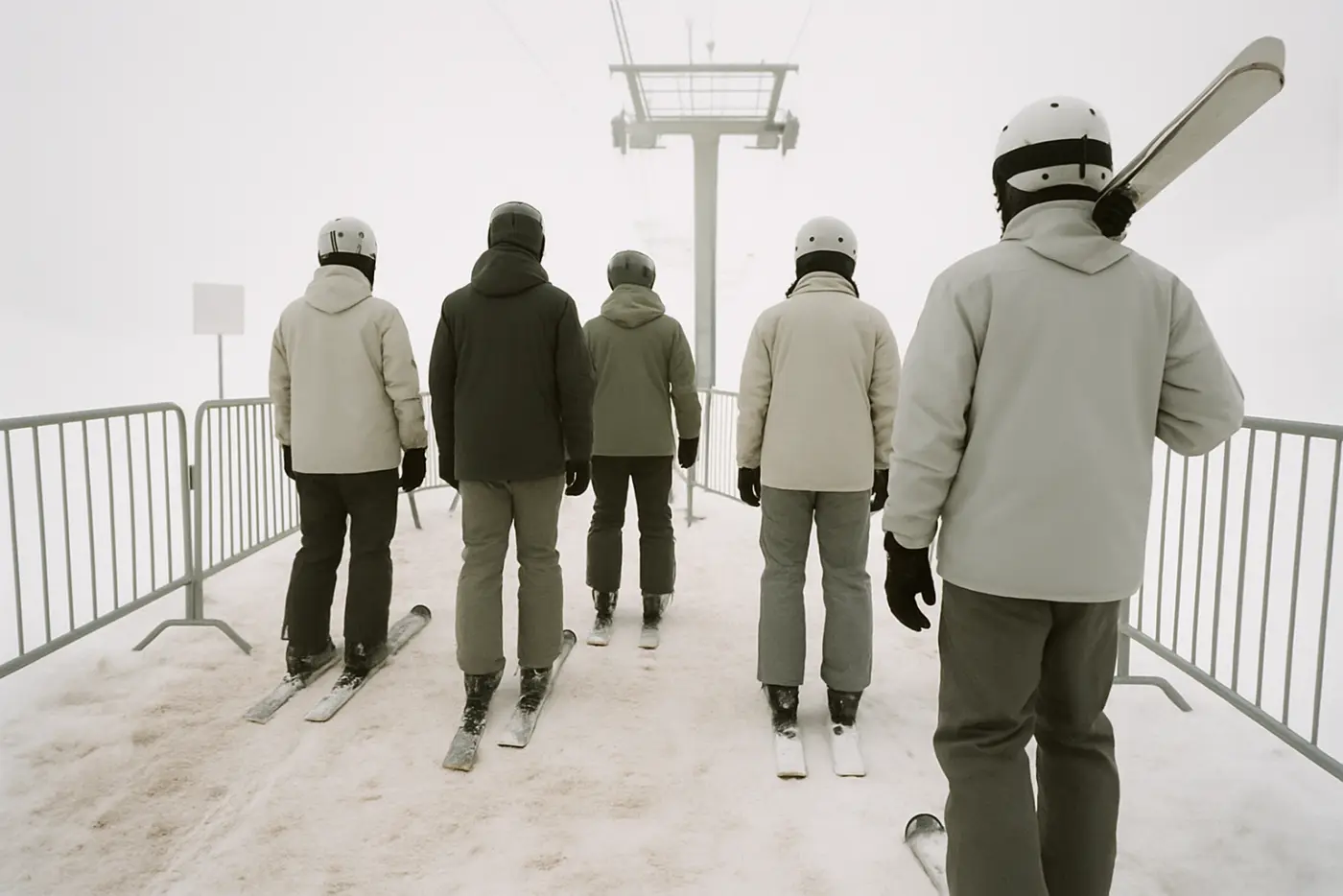
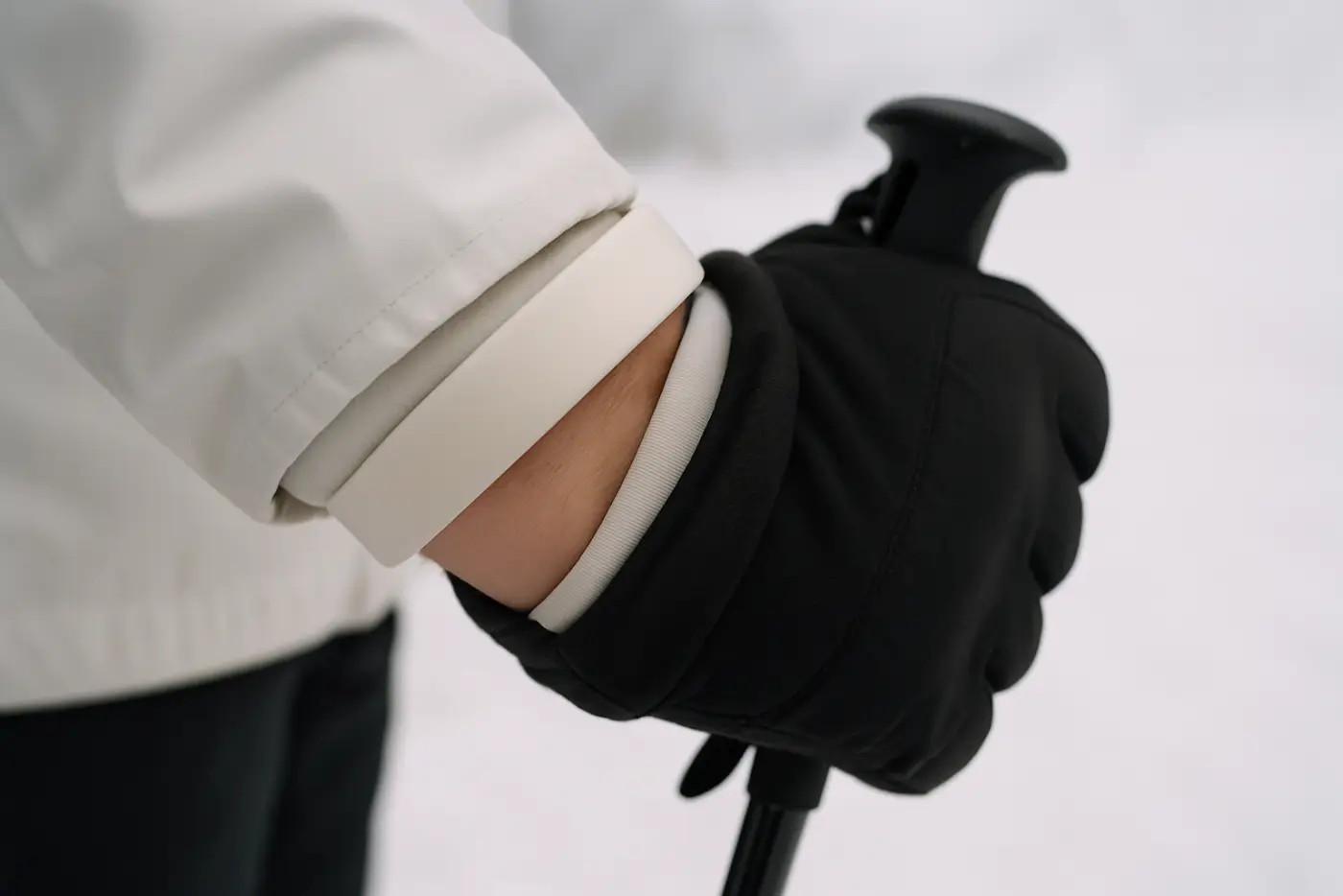
A snow resort has a hard visibility problem: everyone is wearing bulky jackets, goggles and helmets, and the light is either blinding glare or flat white. Anything worn under a layer is invisible. A wide band worn over the cuff is one of the few markers that stays readable, which is why resorts use them for lesson groups and restricted terrain.
Everyone looks identical on a mountain
Jackets, helmets and goggles remove every distinguishing feature, and instructors are supervising groups of children they met that morning. A colour worn over the cuff is visible at distance across snow, which is the only place a marker survives. Anything under a sleeve may as well not exist.
Lesson groups need to be found again after a run
Ski and snowboard schools split into ability groups that scatter down a slope and regroup at the bottom. Colour-coded bands let an instructor count their group from the lift queue rather than skiing back up. A multi-pack of coloured bands covers a full school of lesson groups from one order.
Recommended for you
Products related to this article
Hand-picked to go with what you just read.
Terrain and lift entitlements
Beginner areas, terrain parks and back-bowl access all carry different entitlements and different competence requirements. Marking those means lift staff can turn back a guest who is not cleared without a conversation on a moving carpet. A two-colour band distinguishes a beginner pass from a full mountain pass at a glance.
Multi-day guests should not re-queue each morning
The ticket window at eight in the morning is the worst queue on the mountain. Anything sold as a multi-day pass should be issued once and survive the stay, including being slept in and worn in a hot tub. Silicone handles all of that; paper does not last a single wet day.
Choose colours for flat light and glare
Snow produces two hostile lighting conditions: blinding glare that washes out pale colours, and flat overcast light that removes contrast entirely. Saturated mid-to-dark colours survive both. Test candidates outdoors in snow conditions rather than choosing from a swatch indoors.
Width matters more than artwork
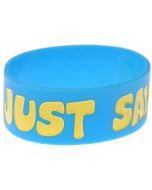
A thin band over a bulky jacket cuff is invisible from a lift. Use the widest band you reasonably can, keep any wording very short, and accept that the colour is doing almost all of the work. A wide solid band is the practical choice for anything that needs reading at distance.
Frequently Asked Questions
Quick answers from the Handband team
Why are wristbands used at snow resorts?
Because jackets, helmets and goggles remove every distinguishing feature. A band over the cuff is one of the few markers that stays visible.
How do ski schools use them?
Colour-coded by lesson group, so an instructor can count their group from the lift queue rather than skiing back up a slope.
Can wristbands control terrain access?
Yes. Marking beginner, full mountain and park entitlements lets lift staff turn back an uncleared guest without a conversation.
Should multi-day guests be re-banded daily?
No. Issue once and use a band that survives the stay, including being slept in. The morning ticket queue is the worst on the mountain.
Which colours work in snow?
Saturated mid-to-dark colours. Glare washes out pale shades and flat light removes contrast, so test outdoors rather than from a swatch.
Does band width matter?
More than artwork. A thin band over a bulky jacket cuff cannot be read from a lift, so use the widest band practical.
Will paper bands work?
No. They do not survive a wet day on snow, let alone a multi-day stay.

Written by
Founder, Handband
Founder of Handband; specialist in custom wristbands and promotional products for events, schools, charities, and brands.
← Previous
‘In Loving Memory of Janie Mowery’ team will participate in Relay for Life
Next →
Custom Wristbands for Hens and Bucks Parties
Comment(s)