By Handband Community Team · Sports & Charity Fundraising
Updated 3 June 2026 · 10 min read
Updated 3 June 2026 · 10 min read
Updated 3 June 2026. When Hurricane Sandy devastated the New Jersey shore in late 2012, the College of Charleston softball team didn't wait for someone else to act. Three players whose families had been hit hard — Katie O'Brien, Alex Pizzoli and Valerie Cassell — partnered with the American Red Cross and started selling "Restore the Shore" silicone wristbands at $5 each, with 100% of proceeds going to Sandy victims.
This is a case study every sports club should know. It shows how a small team can quickly turn personal pain into community-scale action using one of the simplest fundraising tools available — a custom wristband. Below we break down what worked, what made it successful, and how your team can do the same after any disaster.
If you're a sports club, college team or community group needing a fast, low-risk way to raise funds, the custom silicone wristband model is proven, fast to launch and 100% transparent — which is exactly what donors look for after a crisis.
The Case Study: How CofC Softball Raised Funds for Hurricane Sandy
The Cougars' campaign launched within days of the disaster. Players sold bands on campus, at games, through their family networks and via social media. Every band sold raised $5 — the full sale price — because the team absorbed the band cost through bulk pricing and a small sponsor contribution. Within weeks the program had raised thousands of dollars for families displaced by the storm.
What made it work
- A personal story. Three players had direct ties to New Jersey. Donors weren't giving to "a charity" — they were giving to specific people they knew personally.
- A trusted partner. Pairing with the American Red Cross signalled that 100% of proceeds were going where they said.
- A clear sales channel. Players sold at games, on campus and through families — every team-mate became a sales channel.
- A simple price. $5 per band, 100% to the cause. No fees, no friction.
- A short campaign window. The team acted within days of the disaster — when emotional engagement is highest.
Why Wristbands Work for Disaster Relief Fundraisers
Wristbands have been used in disaster relief since the Livestrong campaign in 2004 raised more than $80 million for cancer research. Since then they've become a standard tool for hurricane, earthquake, bushfire and flood appeals.
- Visible solidarity. A band on every supporter's wrist is a walking advert for the cause, drawing more donors organically.
- Low unit cost. Bulk silicone bands start as low as 16-35 cents — so a $5 sell price keeps 90%+ as donation.
- Fast turnaround. Most printers ship in 7-14 days, so a team can launch within two weeks of a disaster.
- Tangible "something for something". Donors get a physical item — easier to ask for $5 than to ask for a straight donation.
- Long-lasting awareness. Bands continue raising awareness months after the news cycle has moved on.
Recommended for you
Products related to this article
Hand-picked to go with what you just read.
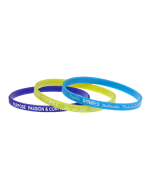
Step 1: Form a Small Action Group Within 48 Hours
The CofC team moved fast. In a sports-team disaster fundraiser, speed is the single biggest variable. Donor attention peaks 2-4 weeks after a major news event and drops sharply after that.
Who should be in the group
- 1-3 players with personal connection to the affected area (they'll be the face of the campaign)
- 1 coach or staff member to handle logistics and approvals
- 1 social-media-savvy player to run online sales
- 1 treasurer or finance volunteer to handle money and Red Cross/charity coordination
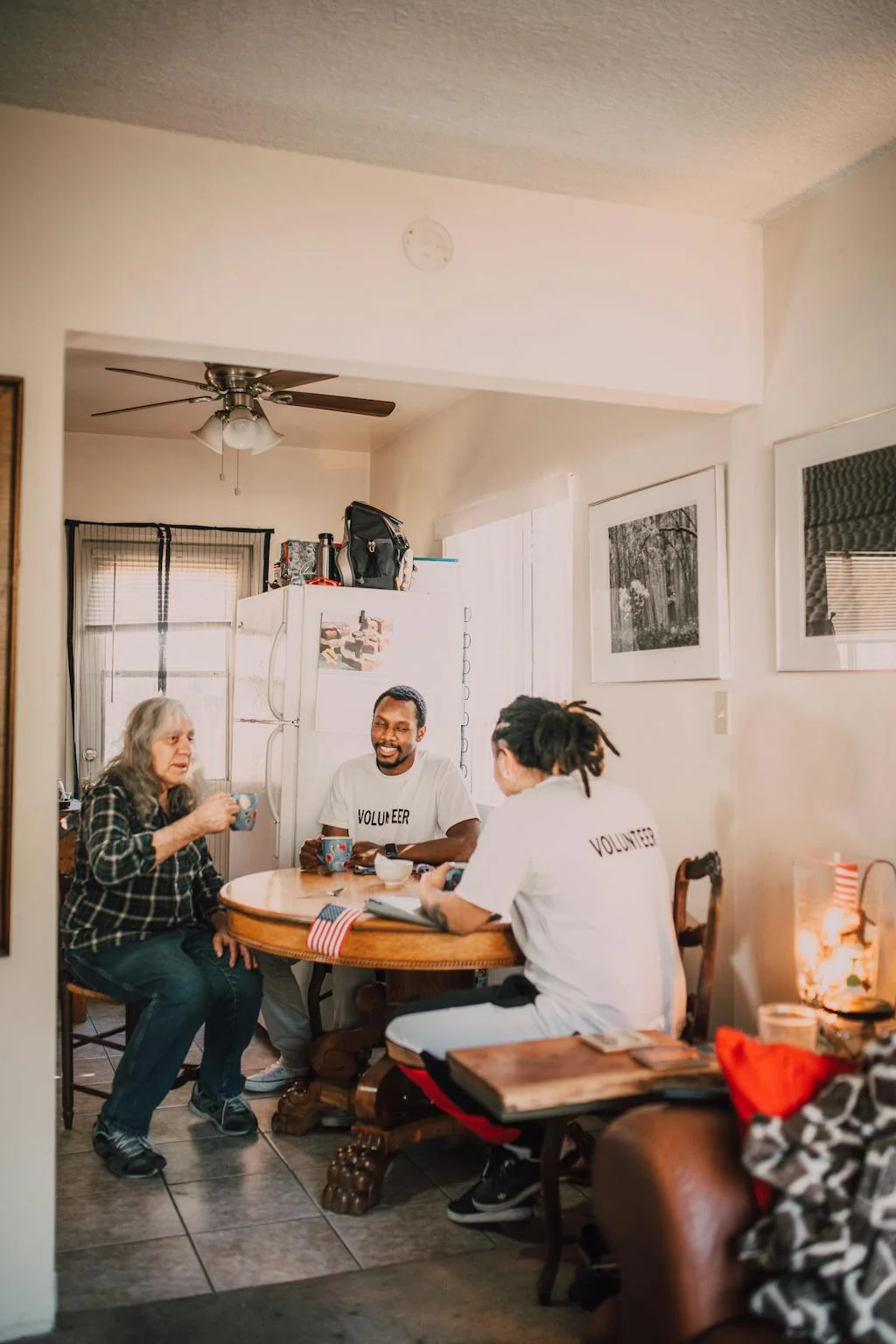
Step 2: Partner With a Trusted Charity
The Red Cross partnership was the trust signal that made the CofC campaign credible. Without a recognised charity partner, sceptical donors will wonder where their money is going.
How to partner with a major relief organisation
- Approach within 72 hours of the disaster. Major charities mobilise community fundraisers fast — their community relations team will know exactly how to channel funds.
- Be specific. Tell them how many bands you'll sell, what design you'll use and how funds will be transferred (lump-sum transfer at end of campaign is easiest).
- Ask for permission to use their name. Their endorsement is the trust signal — get explicit written approval.
- Get their PR team involved. They'll often share your campaign on their social channels, multiplying reach.
Australian equivalents
In Australia, equivalent partners include the Australian Red Cross, GIVIT, Salvation Army, St Vincent de Paul, Foodbank Australia and Lifeline. State-specific bushfire/flood relief funds also welcome community fundraisers.
Step 3: Design a Wristband That Captures the Moment
"Restore the Shore" worked because it was specific (the New Jersey coast), action-oriented (Restore) and short enough to fit on a band. Compare it to vague slogans like "Help Sandy Victims" which feel generic.
Design checklist
- Short slogan (7-12 characters max) — readable from arm's length
- Strong colour — orange/red for emergency, blue for water/floods, green for nature, yellow for hope
- Disaster name or location — adds urgency and specificity
- Style — custom debossed reads as premium, phat 1-inch is bolder, skinny suits younger donors
- Sponsor logo (optional) — if a local business covered the band cost, give them visible thanks on the inside
Step 4: Set the Right Pricing Model
The CofC model — $5 per band, 100% to the cause — is the gold standard. It only works if the band cost is covered separately (by a sponsor, bulk pricing, or absorbed by the team).
Three pricing approaches
- 100% donation model — band cost covered separately, every dollar to the cause. Best for trust.
- Cost-plus model — sell at $3-$5, deduct band cost, donate the rest. Easier to launch.
- Tiered model — $3 standard band, $10 premium keychain bundle. Lifts average donation 30-50%.
Step 5: Activate Multiple Sales Channels at Once
The CofC team sold bands at games, on campus, through family networks and via direct outreach. The more channels, the more bands move.
Sales channels that work for sports teams
- Game-day tables — sell at home matches and tournaments with a clear sign and team member at the table
- Campus / school presence — set up a stall in the student union or main quad during peak hours
- Social media — every player posts a 30-second video, tags 5 friends, posts a payment link
- Local media — local radio and newspapers love community-action stories, especially with team names
- Partner businesses — ask local cafes and shops to stock bands at the counter for the duration
- Online checkout — a free Stripe/Square link allows out-of-town supporters to buy and have bands posted
Step 6: Use a Tight 7-14 Day Sales Sprint
Disaster fundraisers convert most heavily in the first two weeks. After that, donor attention drops as the news cycle moves on. Plan a focused sprint.
Sample 14-day timeline
- Day 0-2 — form action group, contact charity partner, order bands
- Day 3-7 — confirm design, set up checkout, announce on social and team channels
- Day 7-10 — bands arrive, launch in-person sales at games and campus
- Day 10-14 — peak sales push, local media outreach, close with a "thank you, here's the total" post
Step 7: Document Impact and Report Back
The single biggest mistake fundraisers make is not closing the loop. Donors who bought a band want to know the money landed where you said it would.
- Post a final "we raised $X for [cause]" update at the end of the campaign
- Get a photo or quote from the charity partner confirming receipt
- Tag every donor / volunteer who agreed to be named
- Share at least one specific impact story (e.g. "Your $5 helped buy a meal kit for a family in Toms River")
- Archive the campaign on the team website so future supporters can see your track record
Other Sports-Team Disaster Relief Campaigns That Worked
CofC isn't alone. Sports teams around the world have run wristband campaigns after major disasters:
- Boston Strong (2013) — wristband campaign after the Boston Marathon bombing raised over $1 million for One Fund Boston.
- Christchurch Earthquake (2011) — local rugby clubs sold "Kia Kaha" (stay strong) bands across New Zealand.
- Australian Bushfire Appeal (2020) — sports clubs across all major codes sold green-and-gold bands for Red Cross bushfire fund.
- NZ Floods (2023) — Cyclone Gabrielle wristband appeal coordinated by Hawke's Bay community sports clubs.
- Turkey-Syria Earthquake (2023) — multiple European football clubs sold awareness bands at home matches.
Common Mistakes Sports Teams Make in Disaster Fundraisers
- Waiting too long. Donor attention peaks at 1-2 weeks then drops sharply.
- No named charity partner. Without a known partner, donors hesitate.
- Vague design. "Help Victims" is forgettable; "Restore the Shore" is not.
- Single channel. Relying only on social or only on game-day misses 60%+ of potential donors.
- Skipping the close-out report. If donors don't see the impact, they won't give next time.
The Handband Promise
Handband is designed in Sydney and ships custom wristbands to sports teams, schools, charities and community groups worldwide. We can quote, design, manufacture and ship a 500-5,000 band run within 7-14 days — fast enough to mobilise a disaster-relief fundraiser while emotional engagement is still high. Get in touch and we'll help you scope a band, choose the right colour for the cause, and connect with a printable-PDF Red Cross or relief-partner template.
References & Further Reading
- American Red Cross — Hurricane Sandy: 10-Year Look Back (Annual Report).
- Australian Red Cross — Community Fundraising Toolkit (2024).
- Sargeant, A. & Shang, J. (2023). Fundraising Principles and Practice (3rd ed.). Wiley.
- Charity Navigator — Disaster relief giving best practice guidelines.
- Australian Institute for Disaster Resilience — Community-led recovery resources.
Frequently Asked Questions
How fast can a sports team launch a disaster relief wristband fundraiser?
From decision to first sale, 7-14 days is realistic. Bands ship in 7-10 business days from order, and you can have social and game-day sales ready by day 2-3. Speed matters because donor attention drops sharply after the first two weeks.
How much money can a college sports team raise selling wristbands?
Most college-team campaigns clear $2,000-$10,000 in 2-4 weeks, depending on team size, school reach, and how aggressively they activate online channels. Larger campaigns with national media coverage have raised $25,000+.
Do we need a charity partner to run a disaster relief fundraiser?
Strongly recommended. A named charity partner (Red Cross, Salvation Army, Foodbank, local relief fund) gives donors the trust signal they need. Without one, expect 40-60% fewer sales and questions about where the money is going.
Can 100% of wristband sales actually go to the cause?
Yes, but the band cost has to come from somewhere — either a sponsor covers it, a coach absorbs it, or bulk pricing keeps the cost low enough that the team covers the difference. CofC used a combination of these.
How do we set up an online sales channel quickly?
Free tools like Stripe Payment Links, Square Online or Trybooking can be live in under an hour. Combine with a Linktree on each player's social bio for instant reach. Bands can be posted to interstate buyers for a small shipping fee.
What colour wristband works best for disaster relief?
Match the colour to the cause. Orange/red for hurricane and fire emergencies, blue for floods and water emergencies, green for environmental restoration, yellow for hope-focused appeals. Strong single colours read better than multi-colour blends.
How do we handle finance and tax for funds raised?
Easiest is to route funds through your charity partner — they handle the receipts and tax-deductibility. If you bank the money first, keep transparent records and transfer to the charity within 30 days. Consult your school or club's finance office before launching.

Written by
Founder, Handband
Founder of Handband; specialist in custom wristbands and promotional products for events, schools, charities, and brands.
← Previous
Anti-Bullying Wristbands for Schools: A Practical Guide
Next →
Promote Your Sports Club: The 2026 Marketing Playbook
Comment(s)