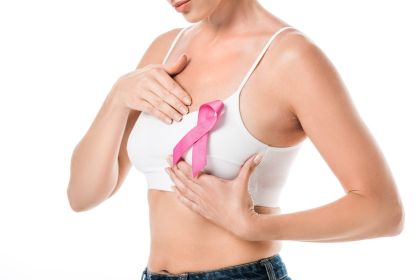
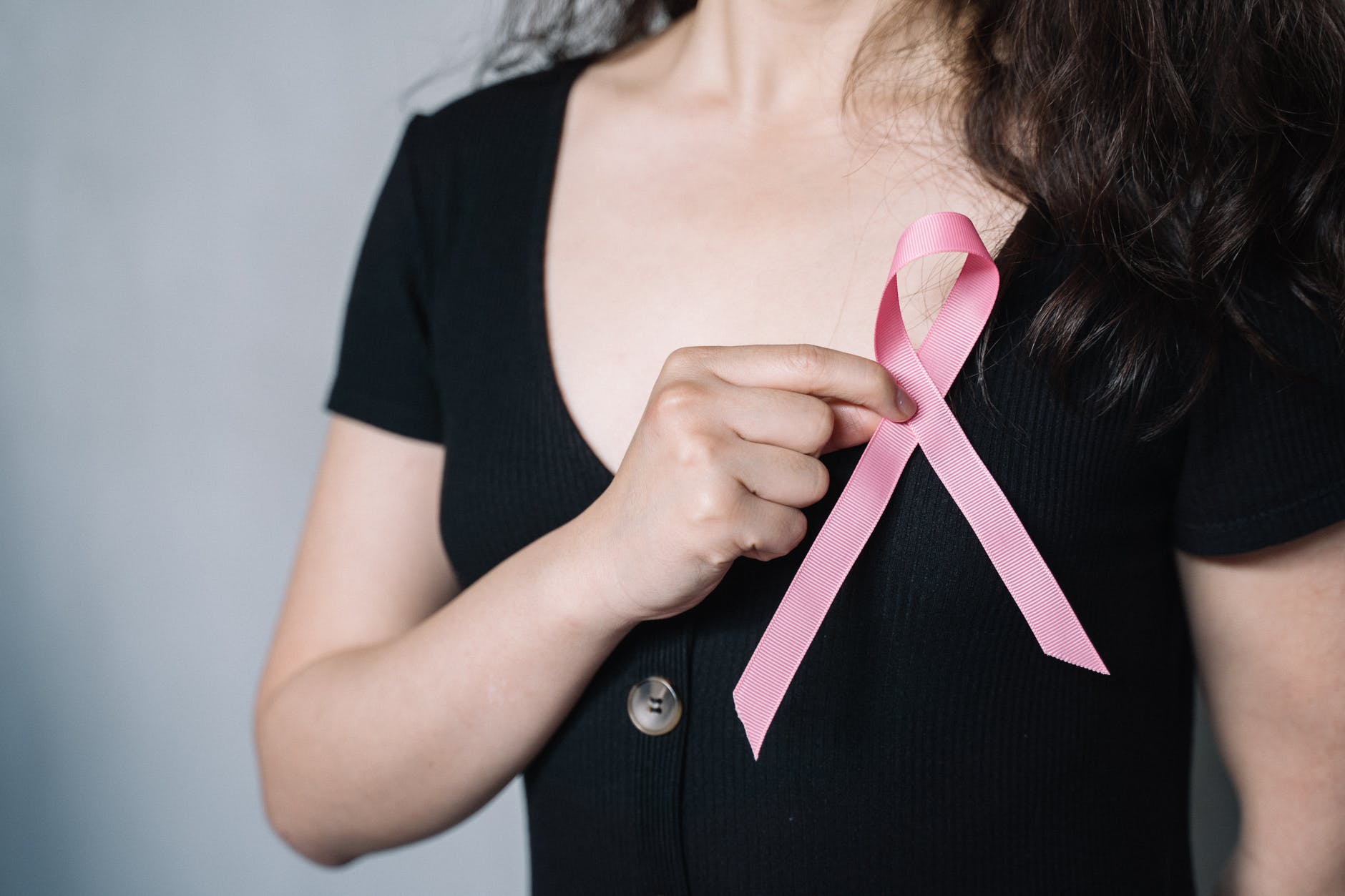
A University of Windsor law student raised thousands for the Canadian Breast Cancer Foundation by selling silicone wristbands commemorating the university’s 50th anniversary. Aaron Lewicki started small, ran the campaign cleanly, and built a model that universities, schools and community groups have copied around the world ever since.
Below is how the campaign worked, why wristbands are such an effective fundraising tool for breast cancer awareness, and how any community group can run a similar program.
Why Wristbands Are the Right Fundraising Tool
Three reasons:
- Cheap to produce. Bulk Custom Colour or Hot Pink bands at 50+ unit volumes cost well under a dollar each.
- Easy to sell. Donors get something physical for their $5 or $10. Conversion rate is far higher than a pure-cash ask.
- Lasting visibility. The band is worn for months. The cause keeps generating impressions long after the cheque is written.
The Maths
- 200 bands x ($5 sale - $1.50 cost) = $700 for the charity.
- 500 bands x ($5 sale - $1 cost) = $2,000 for the charity.
- 1,000 bands x ($10 sale - $0.80 cost) = $9,200 for the charity.
Sales price scales with audience — cause-conscious adult audiences will pay $10 for a band tied to a recognisable charity. School and parent audiences typically pay $3–$5.
Recommended for you
Products related to this article
Hand-picked to go with what you just read.
Designing the Band
- Pick pink — the global cancer-awareness colour.
- Short slogan. “Pink Strong”, “Find a Cure”, “[Year] Pink Run”, the campaign name.
- Name the charity. Donors want to know where the money goes. Print “BCNA” or “Susan G. Komen” or your local hospital foundation.
- Debossed engraving. Engraved text never fades. Surface print fades in months.
Running the Campaign
- Pick a registered charity the proceeds will go to. Confirm in writing.
- Order bands 4–6 weeks before launch. Custom debossed takes 2–3 weeks plus shipping.
- Launch with a clear announcement — an email, a social post, an event.
- Run weekly progress updates with the dollars raised. Public progress drives more donations.
- Close with a public thank-you and a final total. Issue tax receipts where applicable.
Common Questions From First-Time Fundraisers
- Tax-deductibility: depends on your jurisdiction and the charity’s status. Confirm before you take the first sale.
- Returns: clarify your refund policy. Most fundraisers don’t accept returns — the donation is the point.
- Volume risk: start small (200 bands), prove the model, scale on round 2.
A Cause That Speaks for Itself
Breast cancer touches almost every family. A pink wristband on someone’s wrist is the most universally understood awareness signal in the world. Run the campaign with care, name the charity, run the maths cleanly — and the bands will do most of the work themselves.
Brief our team with your campaign goal, charity partner and timeline. We’ll come back with quote, design proof and delivery date.
Frequently Asked Questions
How much can a breast cancer wristband fundraiser raise?
The maths is straightforward: bands cost $1–$2 per unit at scale, sold at $5–$10 to friends and community. A 500-band drive typically raises $1,500–$4,000 for the cause. Universities and workplaces routinely raise tens of thousands using the same model.
What should the wristband say for a breast cancer fundraiser?
Keep it short. Examples: “Pink Strong”, “For [Mum/Aunt/Friend]”, “Find a Cure”, “[Year] Pink Run”, the name of the supported charity. Avoid jargon. Make sure the supported charity is named clearly so donors know where their money goes.
Can I run a breast cancer wristband fundraiser at a small school or community group?
Yes — small fundraisers (50–200 bands) are how most successful campaigns start. Per-unit cost still drops at higher volumes, but even a small run delivers a measurable contribution to the cause and visible support in the community.
How long should the campaign run?
Most breast cancer fundraisers anchor on October (Breast Cancer Awareness Month) or May (Australia’s Biggest Morning Tea period). Run a 4-week launch with weekly progress posts. The wristbands keep generating awareness for months afterwards.
How do I make sure the donation reaches the charity?
Pick a registered charity (Cancer Council, Breast Cancer Network Australia, Pink Hope, Susan G. Komen, or a local hospital foundation). Keep separate accounts for the campaign. Issue tax receipts where the donor amount qualifies. Publish a final total at the end of the campaign.

Written by
Founder, Handband
Founder of Handband; specialist in custom wristbands and promotional products for events, schools, charities, and brands.
← Previous
Youth-Led Wristband Fundraising Campaigns: How to Set Records & Raise Real Money (2026)
Next →
Small Business SEO & Branded Wristbands: Combining Online & Offline Marketing
Comment(s)