How to Promote Diversity and Inclusion in the Workplace

Why Diversity and Inclusion Are Business Imperatives
Diversity and inclusion are no longer optional nice-to-haves — they're measurable business drivers. Research consistently shows that organisations with diverse leadership teams outperform their peers financially. Inclusive workplaces report higher employee engagement, lower turnover, stronger innovation, and better customer understanding.
But building genuine inclusion doesn't happen through policy documents alone. It requires visible, consistent actions that demonstrate organisational commitment. Awareness campaigns, inclusive language training, visual solidarity symbols, and ongoing dialogue all play important roles. Custom wristbands are a small but powerful part of this visible commitment.
Start With Inclusive Leadership
Inclusion begins at the top. Leaders who model inclusive behaviour — actively soliciting diverse perspectives, acknowledging their own biases, and creating psychological safety — set the tone for the entire organisation. Leadership development programs that specifically address inclusion are the single highest-impact intervention available to organisations.
Create Visible Symbols of Solidarity
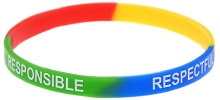
Visible symbols — wristbands, lanyards, badges, desk signs — communicate values to everyone who enters your workplace. A team that wears matching inclusion wristbands during awareness months sends a clear signal to colleagues and clients alike. The physical, visible nature of a wristband makes the commitment tangible in a way that a policy document never can.


Practical Strategies to Build an Inclusive Workplace
Review Hiring Practices for Hidden Bias
Structured interviews, blind CV screening, diverse hiring panels, and standardised evaluation criteria all reduce the influence of unconscious bias in recruitment. Organisations that implement these practices consistently hire more diverse candidates without lowering performance standards — because they're removing irrelevant noise from the selection process.

Celebrate Cultural Diversity Actively
Cultural events, awareness days, and multicultural lunch programs create genuine opportunities for colleagues to learn about each other's backgrounds. These events work best when they're staff-led — employees sharing their own cultures feel seen and valued, while colleagues gain real understanding rather than tokenistic exposure.
Create Safe Channels for Feedback and Reporting
Employees need to trust that reporting discriminatory behaviour is safe and will result in action. Anonymous feedback tools, clearly communicated escalation processes, and demonstrated consequences for discriminatory behaviour are all essential components of an inclusive culture.
Use Awareness Months as Momentum Builders
Pride Month, International Women's Day, NAIDOC Week, and Disability Awareness Month create natural calendar hooks for deeper inclusion conversations. Distributing custom awareness wristbands during these periods creates visible solidarity that employees see and appreciate — especially those from the communities being celebrated.
Measuring Your Inclusion Progress
What gets measured gets managed. Track representation at all levels (especially leadership), employee engagement scores by demographic group, retention rates, and inclusion survey results. Set specific, time-bound targets and report progress transparently. Organisations that share their diversity data — including where they're falling short — build significantly more trust with employees and external stakeholders.
For your next workplace awareness campaign, explore our range of custom colour wristbands in purple, rainbow, black, and white — colours frequently used in inclusion campaigns. Purple wristbands are particularly associated with diversity and creativity. Pair them with custom debossed wristbands featuring your organisation's inclusion commitment for a campaign your team will be proud to wear.
Frequently Asked Questions
What are the most effective diversity and inclusion initiatives for workplaces?
Inclusive leadership training, structured bias-free hiring practices, employee resource groups, cultural awareness events, anonymous feedback channels, and transparent diversity reporting are consistently the most effective D&I initiatives. Visible solidarity actions — including awareness wristbands during awareness months — complement these structural changes.
How can wristbands support workplace diversity campaigns?
Custom wristbands in awareness colours (purple for diversity, rainbow for Pride, orange for anti-racism) create visible, consistent signals of organisational commitment. When an entire team wears matching wristbands during an awareness event, it demonstrates solidarity that employees — especially those from underrepresented groups — genuinely notice and appreciate.
What colours are associated with diversity and inclusion?
Rainbow colours are most closely associated with LGBTQ+ inclusion. Purple represents creativity, dignity, and often disability awareness. Orange is used for anti-racism and anti-bullying campaigns. Black and white wristbands worn together symbolise racial equality. Choose colours that align with the specific awareness campaign you're running.
How do I start a diversity and inclusion program from scratch?
Begin with a honest assessment of your current state — representation data, engagement scores, and anonymous employee sentiment surveys. Set specific goals, build leadership commitment, form a D&I working group with diverse representation, and start with high-impact interventions like hiring process reform and leadership training. External D&I consultants can accelerate this process significantly.
April 12, 2026

Share on Facebook

Share on X

Share on Pinterest
Comment(s)
Recent Posts