
Sixty-year-old Gil Sloan from Crowthorne, Berkshire was halfway around an English golf course when a wasp sting on the back of his neck dropped him unconscious within minutes. The clubhouse staff who found him had no idea what was wrong — no card, no bracelet, no identifier. By the time the air ambulance landed Gil had been unconscious for 15 minutes. He woke in a paddock surrounded by paramedics. He could have died. Today he wears a custom-engraved silicone medical alert wristband, and his golf partners know exactly what to do if it happens again. This 2026 update walks through Gil’s wasp anaphylaxis story and explains why visible medical ID delivers peace of mind for adults of every age — from kids with severe allergies to retirees managing multiple chronic conditions.
The wasp sting that nearly killed Gil
Wasp and bee stings cause around 4 deaths a year in the UK and approximately 2 to 3 in Australia — almost all in adults over 50 who have a previously diagnosed insect-venom allergy. Allergy UK notes that 1 in 100 adults will have a serious reaction to an insect sting at some point in their lives, but only a fraction know it before the first incident.
Gil was caught on a perfectly normal Saturday morning on the 14th tee. The wasp landed on his neck, stung once, and within 90 seconds he was sweating, dizzy and seeing double. He collapsed at the 15th. Without a medical-alert wristband on his wrist, the volunteer first aider who reached him first had no way to identify the cause. The EpiPen Gil carried in his golf bag was 100 metres away in his cart.
Why visible medical ID changed everything
After the incident, Gil bought a custom-engraved silicone medical wristband. The next time he plays golf, runs a marathon, or walks his dog in the park, anyone who reaches him in the first 30 seconds can see:
- WASP & BEE VENOM ANAPHYLAXIS
- EpiPen 0.3mg IM (in left pocket / bag)
- Emergency contact mobile
- NHS Number
The bracelet is £6, the EpiPen is around £30 on UK NHS prescription, and the combination has converted a potential repeat near-death event into a manageable inconvenience.
Recommended for you
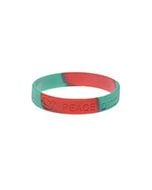
Products related to this article
Hand-picked to go with what you just read.
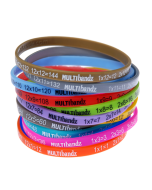
Peace of mind across every age group
Gil’s story is one of dozens that come into Handband each year from customers across the UK, Australia and beyond. The peace-of-mind reasoning crosses every life stage:
Children (5 to 12)
Children with severe peanut, tree-nut, dairy, egg, shellfish or insect-venom allergies are at heightened risk during school excursions, sleepovers, weekend sport, kids’ parties and overseas holidays — situations where the carers around them may be temporary and unaware of the condition. Anaphylaxis UK recommends a visible bracelet on the child for every school day plus all out-of-home activities. Bright colour, engraved trigger, EpiPen indication, parent mobile.
Teens (13 to 17)
Teenagers can be embarrassed by medical ID and remove it. Strategy: let them pick the colour and style. Handband’s skinny debossed bands and fabric woven options are subtle enough to wear with formal-wear or sports kit. Owen Marshall (case study from a separate Handband article) calls it “subtle enough to be cool” — high praise from a 10-year-old.
Working adults (18 to 64)
Gil’s demographic. Newly diagnosed allergies, evolving medication lists, expanding lifestyles — trail running, scuba diving, snowboarding, motorcycling. A medical ID isn’t a sign of fragility; it’s a sign of preparedness. Engraved with current condition + medication + ICE phone, it’s on your wrist before the helmet goes on.
Retirees (65+)
The age group most vulnerable to wasp/bee venom anaphylaxis, atypical drug reactions, falls leading to head injury, dementia-wandering risk and polypharmacy interactions. The Heart Foundation Australia and British Heart Foundation both recommend visible ID for any adult over 60 with cardiovascular disease, an anticoagulant prescription or a previous anaphylactic event.
What to engrave for wasp / bee anaphylaxis
From the ASCIA Anaphylaxis Action Plan template (also referenced by Allergy UK):
- Line 1: ANAPHYLAXIS — WASP/BEE STING
- Line 2: EpiPen 0.3mg IM in left thigh
- Line 3: Call 000 (AU) / 999 (UK) / 112 (EU)
- Line 4: Emergency contact + mobile
Four lines fit comfortably on Handband’s custom debossed silicone wristband. Choose red or yellow for maximum visibility.
What changed in golf-club + sports-club first-aid culture
Since Gil’s incident, the Crowthorne golf club has updated its first-aid signage to specifically tell members to check the wrist of any unresponsive person before doing anything else. England Golf now distributes a free first-aid update to clubs reminding members to look for medical ID. The same shift is underway in Australian Surf Life Saving Australia clubs and AFL/NRL community grounds.
What happens in the first 60 seconds of an anaphylactic event
For wasp venom specifically, the timeline is brutal. Anaphylaxis can progress from "I just got stung" to airway swelling and unconsciousness in under 5 minutes for highly sensitised individuals:
- 0–60 seconds: sting recognised, initial pain.
- 1–3 minutes: hives, swelling, dizziness, falling blood pressure.
- 3–5 minutes: airway swelling, loss of consciousness possible.
- 5–10 minutes: intervention window for EpiPen + call 000/999/112.
- 10+ minutes without adrenaline: high mortality risk.
The medical wristband shortcuts step 3 to 5. A bystander reads the wrist, recognises “ANAPHYLAXIS WASP”, locates the EpiPen, administers, calls emergency services.
Why “not gold plated” matters
Gil’s original Google search for medical alert bracelets returned only the traditional metal jewellery options — gold-plated chains, engraved pendants, locket-style bracelets. His verdict: “tacky.” He very nearly went without any ID at all. Silicone is the answer to this category-design problem. Bright colour, subtle profile, comfortable for daily wear including golf, gardening, swimming and showering. £6 instead of £150+ for traditional engraved metal.
For UK readers — how to order
Handband UK ships custom debossed silicone bands from 4 pieces minimum. Choose colour, engrave 4 lines, dispatch in 5 to 7 business days across the UK. Same for Australia, US, Canada, Ireland, New Zealand, South Africa and the EU through regional Handband stores.
Common questions before buying
Most buyers ask three things before placing an order:
- Will it last? Yes — laser/debossed engraving doesn’t fade. The silicone band itself wears for 2 to 3 years of daily use.
- Will the engraving wear off? No — deboss means the text is physically pressed into the silicone. Not ink, not screenprint.
- What if my condition changes? Reorder. At £6 a band, replacement is cheap. Many adults keep a small stock of 4 to 6 bands rotating across activities.
The case for ordering multiple bands
One band on the wrist 24/7 is the minimum. But Handband customers report ordering 4 to 6:
- 1 on the wrist (current primary)
- 1 in the gym bag
- 1 in the car glovebox
- 1 on the bedside table for night use
- 1 spare for travel
- 1 at a relative’s home for visits
Total: about £36 for full coverage. Less than dinner for two.
Other medical conditions Handband customers engrave
- Anaphylaxis (peanut, tree nut, shellfish, dairy, egg, soy, sesame, wheat, latex, penicillin, sulfa, bee/wasp venom)
- Type 1 diabetes / insulin-dependent type 2
- Epilepsy (all forms)
- Asthma (severe or brittle)
- Heart conditions (arrhythmia, anticoagulant therapy, pacemaker recipient)
- Adrenal insufficiency / Addison’s disease
- Coagulation disorders (haemophilia, von Willebrand)
- Autism / non-verbal communication needs
- Dementia (wandering risk + emergency contact)
- Rare diseases (Muckle-Wells, Marfan, EDS, mastocytosis)
Verbal first-aid handover — what to relay
When the bystander reads the wristband and calls 999/000/112, the dispatcher will ask:
- What does the bracelet say? (read it verbatim)
- Is the person conscious + breathing?
- Has any medication been administered?
- Location with the most specific address you can give.
Memorising this 4-step relay is something every Handband customer can teach to family + sports-club + workplace colleagues in under 5 minutes.
Why “peace of mind” is more than marketing
For families managing anaphylaxis, type 1 diabetes, epilepsy, severe asthma or any condition where the first 30 seconds of an emergency depend on someone else’s knowledge, “peace of mind” isn’t a slogan. It’s the difference between calling an air ambulance and waiting helplessly. Gil Sloan’s near-fatal wasp sting changed his approach to medical preparedness for life. He now sees his Handband wristband as the cheapest insurance he’ll ever buy.
Frequently asked questions
Is wasp / bee venom allergy actually common?
About 1 in 100 UK adults will have a serious reaction to an insect sting at some point. Wasp + bee stings cause around 4 UK deaths a year (and 2 to 3 Australian), almost all in adults over 50. The risk rises sharply for previously-stung individuals.
Why silicone instead of a gold engraved bracelet?
Visibility, comfort, waterproofing, and cost. A silicone band stays on the wrist 24/7 and costs £6. Traditional engraved metal sits in a drawer at £150+. Most users only realise they need ID after the first near-miss — the silicone barrier-to-entry is low enough that they actually wear it.
What lines should I engrave?
Condition, trigger, key treatment (EpiPen 0.3mg IM), and emergency contact mobile. Add comorbidities like asthma or anticoagulant on a second band if you have space.
How long does the engraving last?
The debossed/laser engraving is pressed into the silicone, not printed. It does not fade or wear off. The band itself wears for 2 to 3 years of daily use including showering, swimming and sport.
Do I need one if I’ve only had one mild reaction?
Yes. Insect-venom anaphylaxis can intensify with each subsequent sting. Many first-time stings produce mild reactions; the second or third produces life-threatening anaphylaxis. Wear the bracelet from your first diagnosed reaction onward.
Does my sports club need to know?
Yes. Inform your golf, tennis, football, marathon, surf-life-saving or sailing club captain so the first-aid kit + AED location reflects the condition. The medical wristband ensures even casual partners (a stranger you played a round of golf with) can act fast.
Will paramedics actually look for the wristband?
Yes. UK, Australian, US and EU ambulance services train paramedics to check the wrist within the first 30 seconds of an unresponsive patient. The engraved info goes directly into the patient care record.
References
- Allergy UK allergyuk.org
- Anaphylaxis UK anaphylaxis.org.uk
- British Heart Foundation bhf.org.uk
- Heart Foundation Australia heartfoundation.org.au
- England Golf englandgolf.org
- St John Ambulance UK sja.org.uk

Written by
Founder, Handband
Founder of Handband; specialist in custom wristbands and promotional products for events, schools, charities, and brands.
← Previous
Arm Yourself with Information - UK First Aider on Medical ID 2026
Next →
Coloured Wristbands for Schools: A Simple System for Identification and Access Control
Comment(s)