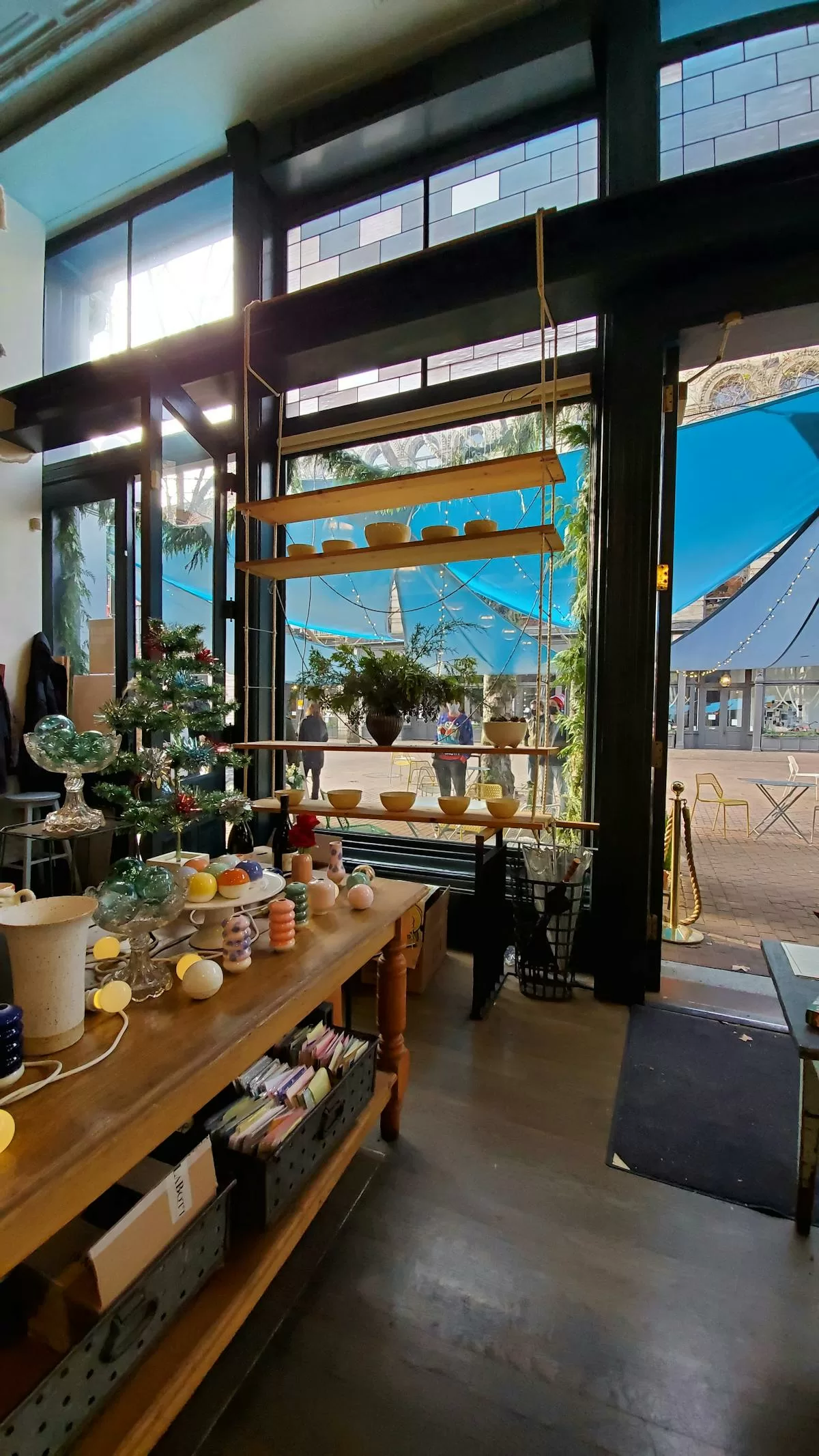

Chris Bunney, a 42-year-old sleep scientist from Victoria, was a few minutes away from slipping into a diabetic coma in a Melbourne meeting room. A colleague spotted the silicone wristband on his wrist, read the diabetes alert engraved on it, and called for medical help in time. That single piece of customised silicone — about $10, no battery, no app, no signal — is the reason he is still here. This 2026 story is one of dozens that come into Handband each year from Australians who use a custom debossed silicone wristband the same way Chris does: as a permanent, visible identifier of a serious medical condition.
The meeting that nearly killed Chris
Chris was diagnosed with insulin-dependent type 1 diabetes at the end of 2003. For years he wore traditional metal medical ID bracelets — the kind you order from a jeweller for $200+. He found them uncomfortable, prone to corrosion, awkward in the shower and worse on the bike. So he stopped wearing one. Within months, hypoglycaemia put him in hospital.
His GP told him bluntly: wear a medical ID, always. The only ones the pharmacy could offer were the same metal style. A Google search later, Chris discovered the silicone wristband category — soft, washable, custom-engraved, swimmable, sweat-resistant, under-$10-replaceable. He ordered one and started wearing it daily.
A few months in, a client meeting at his Melbourne office overran by 40 minutes. Chris’s blood glucose dropped quietly while he kept presenting. By the time the meeting wrapped up he was sweating, slurring and unable to form sentences. The senior consultant he was meeting with had never met him before — but glanced at his wrist, read “TYPE 1 DIABETES + insulin + emergency contact”, and dialled an ambulance.
Chris credits the silicone wristband with the difference between a 90-minute ED visit and a permanent neurological injury — or worse.
Why custom-engraved silicone works so well
The reason silicone replaced metal as the dominant medical-ID material isn’t fashion. It’s function:
- Visible 24/7. A bright-colour silicone band on the wrist is impossible to miss. Metal bands often slide under sleeves.
- Comfortable for daily wear. No heat conduction, no skin pinching, no allergic-nickel response.
- Waterproof and durable. Showering, swimming, sweat, dishwashing — no damage.
- Affordable. Under $10 vs $150+ for metal. People actually wear them.
- Custom-engraved permanently. Laser-engraving or debossed text doesn’t rub off.
- Replaceable. If the engraving needs an update (new medication, new emergency contact), you reorder.
For chronic conditions that require constant identification — type 1 diabetes, severe allergies, epilepsy, blood thinners, heart conditions — the silicone band is now the standard of care recommended by Australian peak bodies including Diabetes Australia, ASCIA and the Epilepsy Foundation.
Recommended for you
Products related to this article
Hand-picked to go with what you just read.
What Chris had engraved on his band
Per the ASCIA + Diabetes Australia template:
- Line 1: TYPE 1 DIABETES
- Line 2: NovoRapid + Lantus (his current insulins)
- Line 3: Emergency: [spouse name + mobile]
- Line 4: GP: [practice phone]
Four lines, ~80 characters total. Enough for a paramedic to act in 15 seconds. The exact same template applies to any customisable Handband silicone wristband — the classic debossed wristband handles short medical text beautifully, and the custom colour silicone wristband in red or yellow doubles as both an ID and a visual alert.
Hypoglycaemia — how Chris’s near-coma actually unfolded
For Australians with insulin-dependent diabetes, hypoglycaemia (blood glucose < 4 mmol/L) is the daily risk that lurks behind every meal, every exercise session, every late-running meeting. Diabetes Australia describes the symptom cascade:
- Mild: Hunger, sweating, shakiness, irritability, difficulty concentrating.
- Moderate: Confusion, slurred speech, poor coordination, anxiety, blurred vision.
- Severe: Loss of consciousness, seizure, coma, death if untreated.
The window between mild and severe can be minutes. People mid-meeting often miss the early signs because they are concentrating on something else. The wristband closes that gap by allowing anyone — not just a friend — to recognise the cause of the symptoms.
What a paramedic needs in the first 15 seconds
St John Ambulance Australia and state ambulance services train paramedics to look for medical ID immediately on arrival. The fields that matter most:
- Primary condition — what to treat for.
- Medication(s) — what may interact.
- Emergency contact — who to notify.
- Allergies — what NOT to administer.
Four lines on a silicone band cover all four.
What about smartwatch medical IDs?
Apple Watch and Samsung Galaxy Watch both offer a Medical ID feature accessible from the lock screen. They’re useful as a backup — but they have three failure modes:
- Battery dies (8–36 hours typical).
- Removed at the gym, pool or shower.
- Bystanders may not know to swipe up or press the side button.
A silicone wristband has no battery, no removal-for-water, and no learning curve for the person finding you. Wear both if you can — but treat the silicone as the primary.
Common conditions where a custom Handband wristband helps
- Diabetes — type 1, type 2 insulin-dependent, or LADA. Hypoglycaemia is the killer.
- Anaphylactic allergies — peanuts, tree nuts, shellfish, fish, milk, eggs, latex, penicillin, bee venom.
- Epilepsy — all forms, particularly tonic-clonic.
- Heart conditions — arrhythmias, pacemaker, anticoagulant therapy.
- Asthma — severe or brittle, especially exercise-induced.
- Adrenal insufficiency — Addison’s disease, congenital adrenal hyperplasia.
- Coagulation disorders — haemophilia, von Willebrand disease.
- Autism & cognitive conditions — for individuals who may not speak in distress.
- Dementia — engraved with address + contact for wandering risk.
How to order a custom Handband for personal medical alert use
The process is simple:
- Visit the Custom Debossed Wristband product page.
- Choose colour — red and yellow are the most-recognised alert colours globally.
- Enter your text (up to 24 characters per line, multiple lines available).
- Select adult or kids size.
- Order minimum 4 — spares are smart for travel and pool bags.
Delivery to anywhere in Australia is typically 5–7 business days. International orders to NZ, GB, US, CA, IE, ZA and EU also available through the regional Handband stores.
For parents of children with chronic conditions
Chris’s story is about a 42-year-old in a meeting room. The same scenario plays out daily for school-age children with type 1 diabetes, severe allergies or epilepsy. Allergy & Anaphylaxis Australia recommends visible identification for any child with a life-threatening allergy. A bright-colour Handband custom wristband sized for kids — with their condition + parent mobile engraved — gives teachers, coaches, sleepover hosts and excursion supervisors the context they need.
Chris’s key advice
“Comfortable, effective, and most of all it communicates relevant medical information at times when I may be unable to communicate it myself.” — Chris Bunney, Victoria, 2026
His three-step plan for anyone reading this:
- Talk to your GP about which conditions warrant a visible ID.
- Engrave the four key fields — condition, medication, emergency contact, allergies.
- Wear it 24/7. Order a spare so you never go without when one is in the wash.
The Mediband-Handband link
Chris’s original wristband came from Mediband — a sister brand that markets pre-engraved condition packs for the consumer medical-ID market. Handband supplies the same custom-engravable silicone wristband category to event organisers, schools, fundraising organisations and individuals who want full control over what is engraved and how many they order. Both options work; the choice is about whether you want a ready-made or fully-bespoke band.
Frequently asked questions
Can a Handband silicone wristband be used as a personal medical ID?
Yes. The custom debossed wristband can be engraved with up to four lines — condition, medications, emergency contact, allergies. The same template paramedics and ED staff are trained to read.
How is silicone better than metal for medical ID?
Visible 24/7, comfortable for daily wear, waterproof, durable, affordable (under $10 vs $150+), permanently engraved without rub-off, easy to replace when info changes.
What colour should a diabetes wristband be?
Red or yellow are the most-recognised alert colours globally. Diabetes Australia does not mandate a specific colour but recommends high-contrast for visibility.
What text should be engraved for a diabetic?
Line 1: TYPE 1 DIABETES (or TYPE 2 INSULIN). Line 2: Current insulin names. Line 3: Emergency contact + mobile. Line 4: GP practice phone. Per the Diabetes Australia template.
How long does a custom silicone wristband last?
The silicone band itself lasts years of daily wear. The debossed/laser engraving does not fade. Replace when you change medications, emergency contact or condition specifics.
Should I rely on my smartwatch instead?
No — use it as a backup. Smartwatches have battery, removal, and learning-curve failure modes. A silicone wristband has none. Wear both.
Does my child with diabetes or allergies need one too?
Yes. Allergy & Anaphylaxis Australia, Diabetes Australia and the Epilepsy Foundation all recommend visible identification for children with life-threatening conditions. Teachers, coaches and hosts can act fast.
References
- Diabetes Australia diabetesaustralia.com.au
- ASCIA — Anaphylaxis Action Plan allergy.org.au
- Allergy & Anaphylaxis Australia allergyfacts.org.au
- Epilepsy Foundation epilepsy.org.au
- St John Ambulance Australia stjohn.org.au

Written by
Founder, Handband
Founder of Handband; specialist in custom wristbands and promotional products for events, schools, charities, and brands.
← Previous
LED Event Wristbands: How to Create an Interactive Festival Experience
Next →
Hospital Wristband Colour Codes - 2026 Australian Standards Guide
Comment(s)