
When a community member faces a serious cancer diagnosis, friends and family often want to do something concrete to help — raise funds for treatment, support medical bills, or back the charity that’s researching the disease. A custom wristband fundraiser is one of the cheapest, most effective tools families and communities have used for two decades.
The “Kicking Cancer for Emily” campaign and dozens of similar fundraisers show the model works at every scale — from a primary school class to a town-wide drive raising tens of thousands.
Why Wristband Fundraisers Resonate
- Donors get something physical for their $5–$10. Conversion rates beat pure-cash asks.
- Bands stay visible for months. The cause keeps generating awareness long past the original purchase.
- Community participation feels concrete. Wearing the band signals support visibly without intruding on the family.
The Fundraising Maths
- 200 bands x ($5 sale - $1.50 cost) = $700 for the cause.
- 500 bands x ($5 sale - $1 cost) = $2,000 for the cause.
- 1,000 bands x ($10 sale - $0.80 cost) = $9,200 for the cause.
- 5,000 bands x ($10 sale - $0.60 cost) = $47,000 for the cause.
Recommended for you
Products related to this article
Hand-picked to go with what you just read.
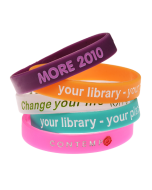
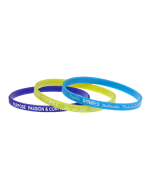
Designing the Band With the Family
- Patient first name or initials.
- Short slogan (“Kicking Cancer for [Name]”, “[Name] Strong”).
- Receiving charity or fund name.
- Colour the patient or family chooses (often a favourite or sports-team colour).
Running the Campaign
- Coordinate with the family first. Design, message, charity, distribution — all family-led.
- Pick a registered charity or set up a transparent family medical fund.
- Order bands 4–6 weeks ahead.
- Launch with a clear announcement via school, workplace, community group, social media.
- Run weekly progress updates with the dollars raised.
- Close with a public thank-you and final total.
Beyond the Band — Premium Family Items
For closest family and friends, an engraved aluminium dog tag is a more substantial keepsake. Many family campaigns use a dual model — bands for the broader community and dog tags for the inner circle.
A Tool That Lets the Community Help
Cancer doesn’t give families much they can control. A wristband campaign is one concrete thing that lets a community channel grief into something useful — money raised, awareness spread, hope visible. Brief our team with the family’s wishes and we’ll handle the rest with care.
Frequently Asked Questions
How does a community cancer fundraiser typically work?
Family or community orders custom debossed bands at $1–$2 unit cost. Sells at $5–$10 to friends, school, workplace and community. Difference goes to a chosen charity (cancer research, hospital, family medical fund). A 200-band run typically nets $400–$1,800.
Should the band carry the patient’s name?
Discuss with the family first. Many fundraisers carry the first name plus “Kicking Cancer for [Name]”. Some families prefer initials only or just the cause. Whatever the family is most comfortable with works best.
Where should the proceeds go?
Either to a registered cancer charity (Cancer Council, Children’s Cancer Foundation, Susan G. Komen), to the hospital treating the patient, or to a family medical fund (with appropriate legal structure). Be clear and specific in your campaign messaging.
How can a school or workplace participate?
Order 200–500 bands for a single all-school or all-staff drive. Run a launch assembly or staff meeting. Sell at lunch and through homerooms. Schools often raise $1,000–$5,000 in a single week with this model.
How quickly can the bands be ready?
Stock blank coloured bands ship within days. Custom debossed bands take 2–3 weeks plus shipping. Plan 4–6 weeks ahead for a fully branded design and a coordinated launch.

Written by
Founder, Handband
Founder of Handband; specialist in custom wristbands and promotional products for events, schools, charities, and brands.
← Previous
Handbands & Eating Healthy: How Wristbands Help Habits Stick (2026)
Next →
Litchfield Making Strides: How Charity Walks Hit $100,000 With Wristbands (2026)
Comment(s)