

A new starter remembers the first week far longer than the company expects. Small branded items given at induction do two unglamorous jobs: they mark someone as new so colleagues introduce themselves, and they hand the person something physical on a day that is otherwise entirely paperwork and logins.
The first week is mostly forms — give people something real
Induction days are dense with policies, systems and names nobody retains. A physical item breaks that up and gives the new starter something to put on their desk. It is a small gesture, but it is the one part of day one that still exists in week three.

Marking new starters so colleagues approach them
In a large team, nobody can tell a new starter from a contractor or a visitor. A discreet marker for the first week gives colleagues permission to introduce themselves rather than assuming someone else has. It works best when it is understood company-wide, not just in the onboarding team.
Recommended for you
Products related to this article
Hand-picked to go with what you just read.
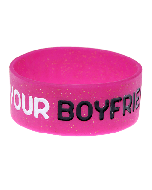
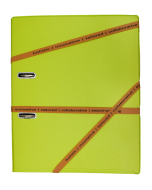
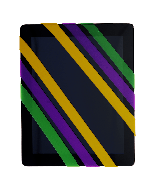
Desk items beat wearables for office roles
Office staff will not wear a band at a desk, but they will keep something useful. A notebook band or a binder band stays on the thing it holds together, which means it stays visible without asking anyone to wear branding.
Recognition works when it is specific and small
Annual awards are remembered by whoever won. Small, frequent recognition works better across a team — a token handed over for a specific piece of work, close to when it happened. A reusable cup band is a practical example: cheap enough to give often, useful enough to keep.
Why the expensive option often lands worse
Costly branded gifts create an expectation that the next one matches it, and they are given rarely because of budget. Inexpensive items can be given the moment something is worth acknowledging, which is what makes recognition feel genuine rather than scheduled.
Keeping a small stock rather than ordering per event
Programs fail when the item has to be ordered each time — the moment passes before the box arrives. Keep a modest stock in a drawer so a manager can act the same week, and reorder on a schedule rather than on demand.
Frequently Asked Questions
Quick answers from the Handband team
Why give new starters a physical item?
Induction is dense with paperwork and logins. A physical item breaks that up and is often the only part of day one still present in week three.
How do wristbands help new starters socially?
A discreet marker for the first week tells colleagues someone is new, which prompts introductions instead of everyone assuming someone else has done it.
Will office staff actually wear a band?
Usually not at a desk. Notebook and binder bands work better because they stay on the object rather than the person.
What makes recognition feel genuine?
Small and frequent beats large and rare — a token given close to the work it recognises lands better than a scheduled annual award.
Why not buy something more expensive?
Costly gifts set an expectation for the next one and get given rarely. Cheaper items can be given the moment something is worth acknowledging.
Should we order per event or keep stock?
Keep a modest stock. Programs die when the moment passes while an order is in transit.
Does this need a formal program?
No, but a shared understanding helps — the marker only prompts introductions if colleagues across the company know what it means.

Written by
Founder, Handband
Founder of Handband; specialist in custom wristbands and promotional products for events, schools, charities, and brands.
← Previous
Custom Wristbands for University Orientation Week
Next →
Custom Wristbands for Charity Auctions and Gala Dinners
Comment(s)