Wristband Colour Meanings: Mental Health, Cancer & 30+ Cause Colours Guide
By Handband Community Team · Updated 17 May 2026 · 10 min read
Wristband colours carry specific meanings — pink for breast cancer, yellow for suicide prevention and Livestrong, green for mental health awareness, purple for domestic violence, red for HIV/AIDS, and dozens of other recognised cause associations. This complete guide breaks down what each wristband colour means, including the most-asked-about mental health wristband colours, every major cancer awareness ribbon shade, and how to choose the right colour for your fundraising or awareness campaign.
Quick-Reference Wristband Colour Chart
The most recognised wristband colour meanings worldwide:
- Yellow: Cancer awareness (Livestrong), suicide prevention, bladder cancer, hope
- Pink: Breast cancer awareness, women’s health
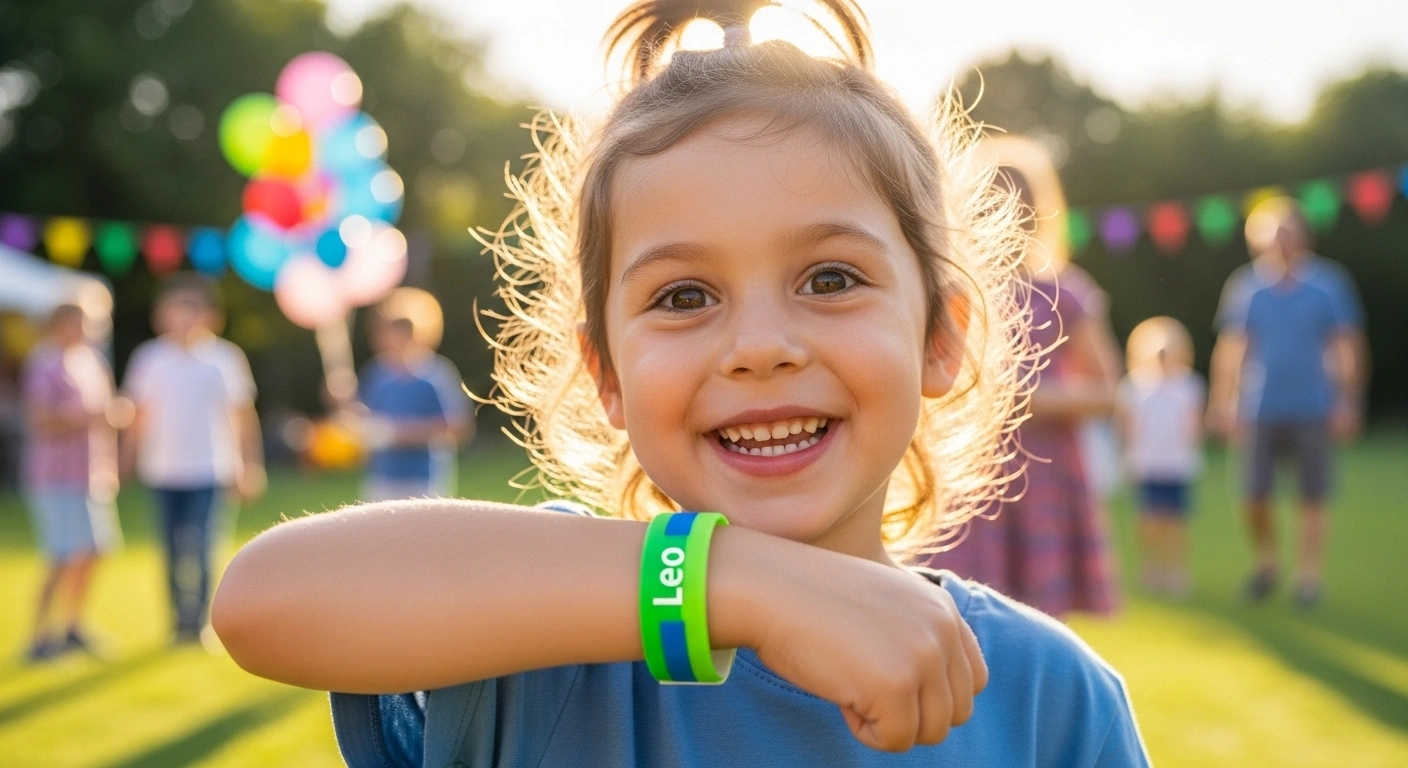
- Green: Mental health awareness, organ donation, kidney disease
- Lime Green: Mental health (broader), lymphoma, muscular dystrophy
- Teal: Anxiety disorders, ovarian cancer, sexual assault awareness
- Purple: Domestic violence, Alzheimer’s, epilepsy, pancreatic cancer, mental wellbeing
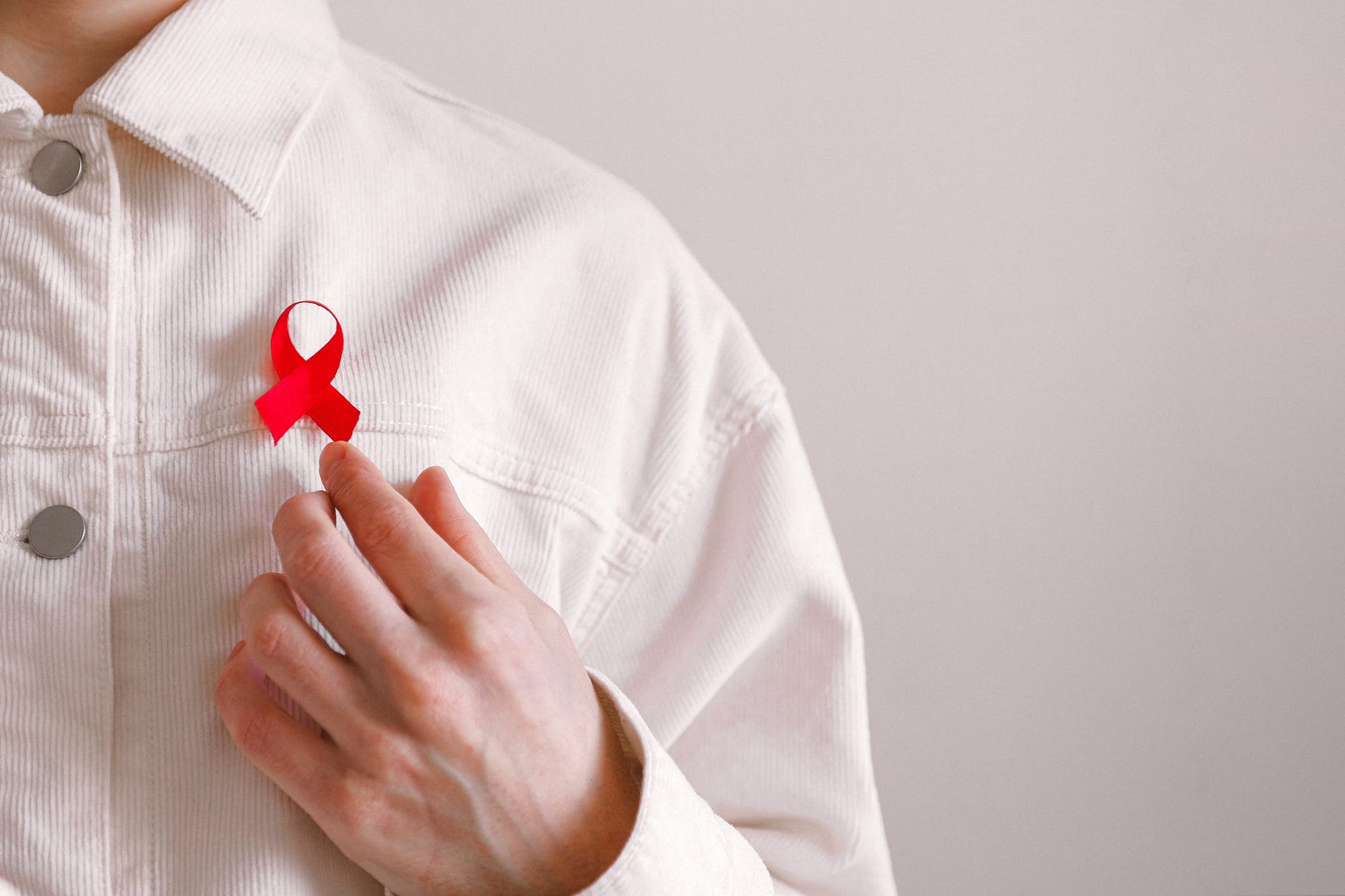
- Red: HIV/AIDS, heart disease, blood drives, MADD (anti-drink-driving)
- Blue: Anti-bullying, autism awareness, colon cancer, child abuse prevention
- Orange: Leukaemia, kidney cancer, multiple sclerosis, hunger awareness
- Gold: Childhood cancer awareness
- Lavender: General cancer awareness, all cancers combined
- White: Peace, anti-violence, anti-bullying, right to life
- Black: Melanoma awareness, mourning, anti-terrorism
- Grey: Brain cancer, brain tumour awareness, asthma
Read on for the full breakdown by colour and cause, including mental-health-specific colours and cancer-specific ribbons.
Mental Health Wristband Colours: Complete Breakdown
Mental health awareness has multiple recognised wristband colours — different organisations use different shades depending on the specific condition or campaign focus. The most common mental health wristband colours and their meanings:
Green — Mental Health Awareness
Green is the international colour for general mental health awareness, used by major mental health charities globally (including Beyond Blue in Australia, Mental Health Foundation in the UK, and NAMI in the US). A green wristband signals support for mental health conversations, removing stigma and encouraging help-seeking.
Yellow — Suicide Prevention
Yellow wristbands carry suicide prevention messaging — used during R U OK? Day (Australia, September) and World Suicide Prevention Day (10 September globally). Yellow signals hope and prevention rather than mental illness itself.
Lime Green — Mental Health (Broader)
Lime green is sometimes used for broader mental health awareness, especially for youth mental health and depression-specific campaigns. It overlaps with green but signals a brighter, more youth-oriented angle.
Teal — Anxiety and Related Conditions
Teal wristbands are used for anxiety disorders, panic disorder and PTSD awareness. Teal is also the international colour for ovarian cancer and sexual assault awareness — context matters when wearing or distributing teal bands.
Purple — Mental Wellbeing and Specific Conditions
Purple wristbands signal mental wellbeing more broadly, plus several specific conditions: epilepsy, Alzheimer’s disease, Crohn’s disease and lupus. Purple is also widely used for domestic violence awareness — overlap that’s often clarified by including the cause name on the band itself.
Periwinkle and Light Blue — Eating Disorders
Eating disorder awareness (anorexia, bulimia, binge eating) uses periwinkle or light blue wristbands. The Butterfly Foundation in Australia is the leading peak body for eating disorder support.
Cancer Awareness Wristband Colours
Different cancer types have their own awareness ribbon (and therefore wristband) colour. The most recognised cancer wristband colours globally:
Pink — Breast Cancer
Pink wristbands are the universal symbol of breast cancer awareness, peaking each October during Breast Cancer Awareness Month. The Pink Ribbon campaign generates millions in research funding annually worldwide.
Yellow — Livestrong / Bladder Cancer
Yellow wristbands carry the Livestrong legacy (originally launched 2004) — supporting cancer survivors and treatment access. Yellow is also the specific colour for bladder cancer awareness.
Gold — Childhood Cancer
Gold ribbons (and wristbands) are the international symbol for childhood cancer awareness, peaking each September during Childhood Cancer Awareness Month.
Orange — Leukaemia and Kidney Cancer
Orange is used for leukaemia and kidney cancer awareness. Some campaigns combine orange with white for specific blood-cancer subtypes.
Lavender — All Cancers
Lavender is the general "all cancers" colour, used when a campaign supports cancer research broadly rather than a specific type. Common for Cancer Council events that fund research across multiple cancer types.
Grey — Brain Cancer and Brain Tumours
Grey wristbands signal brain cancer and brain tumour awareness. The colour reflects the grey matter of the brain itself.
Pearl White — Lung Cancer
Pearl or clear white wristbands are used for lung cancer awareness, plus mesothelioma and bone cancer in some campaigns.
Custom Awareness Wristbands in Every Cause Colour
Pantone-matched silicone bands for any awareness colour — order from seven units, dispatched in 24 hours for urgent campaigns.



Cause-by-Cause Wristband Colour Guide
Beyond mental health and cancer, dozens of other causes have established wristband colour associations. The most recognised cause colours:
Red — HIV/AIDS, Heart Disease, Drink-Driving
Red wristbands started with the AIDS Red Ribbon (1991). Today red also signals heart disease awareness (Heart Foundation, Go Red for Women) and drink-driving prevention campaigns (MADD). Red is one of the most universally recognised cause colours.
Blue — Autism, Anti-Bullying, Colon Cancer
Blue wristbands cover autism awareness (Light It Up Blue, World Autism Awareness Day on 2 April), anti-bullying campaigns (Australia’s National Day of Action Against Bullying in March), and colon/colorectal cancer awareness.
Purple — Domestic Violence, Epilepsy, Alzheimer’s
Purple wristbands are the international colour for domestic violence awareness, plus epilepsy, Alzheimer’s, Crohn’s disease and lupus. Context (campaign name printed on the band) clarifies which specific cause.
Orange — Multiple Sclerosis, Leukaemia, Hunger
Orange wristbands signal multiple sclerosis (MS), leukaemia, kidney cancer, and hunger/food insecurity awareness. The Hunger Awareness Day campaigns frequently use orange wristbands.
White — Peace, Anti-Violence, Right to Life
White wristbands are used for peace movements, anti-violence campaigns, and pro-life advocacy. Make Poverty History also used white wristbands prominently in the mid-2000s.
Black — Melanoma, Mourning, Anti-Terrorism
Black wristbands signal melanoma awareness, public mourning, and anti-terrorism campaigns. Black can also indicate solidarity following major tragedies.
Multi-Colour Combinations
Some causes use multi-colour combinations: rainbow for LGBTQI+ pride, red/black/yellow for Indigenous causes (Aboriginal flag colours), and purple/teal for domestic violence + sexual assault combined campaigns.
How to Choose the Right Colour for Your Wristband Campaign
Choosing the right wristband colour is the single biggest design decision for a successful awareness or fundraising campaign. The colour does half the work of explaining the cause — before anyone reads the printed message. Three principles:
Match an Established Awareness Colour
If your cause has a recognised colour (cancer types, mental health, DV, autism), match it. Recognition is instant; the public "reads" the cause without explanation. Going off-colour confuses supporters and weakens the campaign.
Tie to an Awareness Month or Day
Launch the campaign during the relevant awareness period: Pink in October (breast cancer), Gold in September (childhood cancer), Green in May (Mental Health Month, Australia), Yellow on 10 September (World Suicide Prevention Day). Built-in media interest amplifies launches significantly.
Pantone-Match Where Brand Matters
When partnering with an established charity (Beyond Blue, Cancer Council, R U OK?), Pantone-match their official brand colour. Consistency reinforces the cause across all the charity’s materials.
Wristband Colour Combinations for Multi-Cause Campaigns
Some campaigns deliberately combine two or more colours to signal multiple causes at once, or to differentiate from a saturated single-colour space. Common multi-cause combinations:
Pink + White — Breast Cancer + Peace
Pink-and-white striped wristbands are common for breast cancer support campaigns that also honour those lost — combining awareness with memorial.
Yellow + Black — Suicide Prevention + Mourning
Yellow-and-black is increasingly used for suicide prevention campaigns that include memorial for those lost — particularly veteran and first-responder suicide prevention.
Rainbow — LGBTQI+ Pride and Mental Health Inclusion
Multi-colour rainbow wristbands signal LGBTQI+ pride, plus broader inclusion and anti-discrimination messages. Used heavily during Mardi Gras (February) and IDAHOBIT (17 May).
Red + Yellow + Black — Aboriginal Causes
Aboriginal flag colours (black, yellow, red) on wristbands support Indigenous health, education and reconciliation campaigns. Used during NAIDOC Week (July) and Reconciliation Week (May/June).
Where to Buy Custom Wristbands in Your Cause Colour
Once you’ve chosen the colour, you need a supplier who can match your specific Pantone, print your cause message and turn the order around quickly enough for your campaign timeline. Look for:
Pantone Matching
The supplier should match to your exact Pantone reference, not approximate. Off-shade bands undermine recognition for established awareness colours.
Low Minimums
For small fundraisers or test campaigns, you want minimums starting at seven units — not 500. Handband custom silicone wristbands start at seven units with no setup fee.
Fast Turnaround
Standard production is 7–14 days. For urgent awareness campaigns running on awareness-day timelines, look for 24-hour express options.
Print Options
Most causes need a message printed on the band — either debossed (engraved into the silicone), embossed (raised text), printed (flat) or colour-fill. Pick the print method based on durability needs and your design.
Frequently Asked Questions
What colour wristband is for mental health awareness?
Green is the international colour for general mental health awareness, used by Beyond Blue, NAMI, Mental Health Foundation and most major mental health charities. Lime green is used for broader/youth mental health. Yellow signals suicide prevention specifically. Teal covers anxiety disorders and PTSD. Purple is associated with mental wellbeing more generally plus specific conditions (epilepsy, Alzheimer's).
What does a yellow wristband mean?
Yellow wristbands have multiple recognised meanings: cancer awareness (the original Livestrong campaign from 2004), suicide prevention (used for R U OK? Day and World Suicide Prevention Day on 10 September), bladder cancer specifically, and 'support our troops' military campaigns. Context (printed message on the band) clarifies the specific meaning.
What is the colour for depression and anxiety wristbands?
Green (or lime green) is used for general mental health awareness including depression. Teal is the international colour for anxiety disorders. Some campaigns combine green and yellow to signal both depression awareness and suicide prevention together.
What does each cancer colour wristband mean?
Pink = breast cancer; Yellow = Livestrong/general cancer/bladder cancer; Gold = childhood cancer; Orange = leukaemia/kidney cancer; Lavender = all cancers combined; Grey = brain cancer/brain tumours; Pearl white = lung cancer; Teal = ovarian cancer; Periwinkle = stomach/oesophageal cancer.
What colour wristband is for domestic violence awareness?
Purple is the international colour for domestic violence awareness, recognised globally during October Domestic Violence Awareness Month and the 16 Days of Activism (25 Nov - 10 Dec). Some Australian campaigns combine purple with white ribbons (the Australian White Ribbon Day movement for men against violence).
Can I make a custom wristband in any cause colour?
Yes. Custom silicone wristbands can be Pantone-matched to any awareness colour — yellow, pink, purple, blue, red, orange, green, teal, lavender, gold and dozens of other shades. Minimums start at seven units, with options for debossed, embossed, printed or colour-fill text. Turnaround is 7-14 days standard or 24 hours for urgent campaigns.
What is the most popular wristband colour for awareness campaigns?
Yellow is the most-recognised single awareness colour worldwide, thanks to the Livestrong legacy. Pink is a close second (breast cancer). Green has rapidly grown in recognition over the past decade as mental health awareness campaigns have scaled. For multi-cause campaigns, rainbow combinations and custom multi-colour bands are increasingly common.
3 Jan 2022

Written by
Founder, Handband
Michael founded Handband to give event organisers, charities, sports clubs, and brand teams a simpler way to source custom wristbands and promotional products. The team has supplied wristbands to festivals, schools, fundraisers, and corporate activations world-wide.

Share on Facebook

Share on X

Share on Pinterest
Comment(s)
Recent Posts