Event Safety Planning: Risk Management, Access Control, and Wristband Strategies for Secure Events
Why Event Safety Planning Is Non-Negotiable
Behind every successful event is a detailed safety plan that nobody notices — because it worked. Whether you are coordinating a small community festival, a corporate conference, or a large-scale music event, robust safety planning protects attendees, staff, and your organisation's reputation. This guide walks through the core pillars of event safety: risk assessment, evacuation planning, access control, and how colour-coded wristbands simplify every layer of crowd management.
Effective event safety is not reactive — it is proactive. The planning stage is where you identify hazards, assign responsibilities, and put systems in place so that your team can respond calmly to any situation on the day.
Conducting a Thorough Risk Assessment
A risk assessment is the foundation of your safety plan. Walk your venue at different times of day and identify physical hazards: uneven ground, poor lighting, narrow exits, electrical equipment near wet areas, and crowd pinch points. For each hazard, record the likelihood of an incident, the potential severity, and the control measures you will put in place.
Key Risk Categories
Risks at events generally fall into several categories: crowd density and movement, fire and emergency evacuation, medical emergencies, weather-related disruptions, vendor and contractor safety, and security threats. Each category requires its own set of mitigation strategies and clearly assigned staff roles.
Engaging Stakeholders Early
Involve venue managers, local council, emergency services, and first-aid providers at the planning stage. Many councils require a formal safety plan before issuing permits. Early engagement means fewer surprises on event day and a stronger relationship with the authorities who may need to assist you in an emergency.




Designing Effective Access Control Zones
Access control is about more than keeping gate-crashers out. It is a system for directing attendees to the right areas, managing crowd density, and protecting VIPs, performers, and backstage personnel. Define your zones early: general admission, premium areas, backstage, production zones, and staff-only areas.
Wristband Colour-Coding for Zone Management
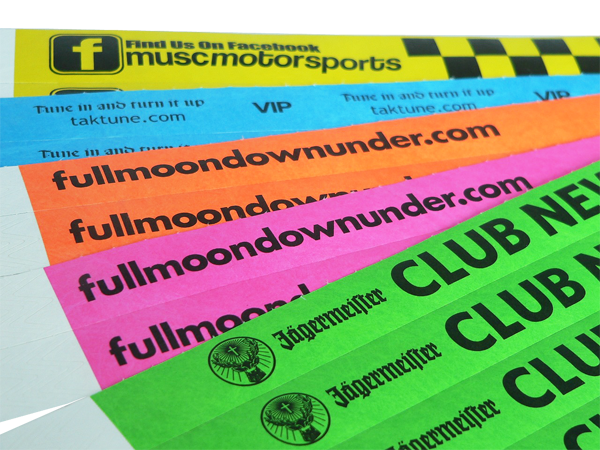
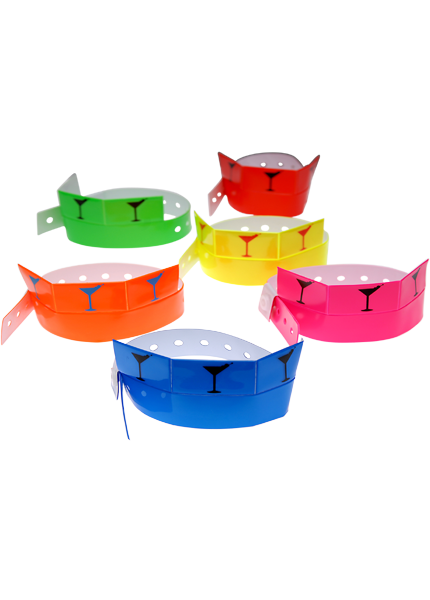
Colour-coded wristbands are the most efficient tool for managing multi-zone access at events. A well-designed colour system allows security personnel to verify access rights at a glance, without slowing down crowd flow. Choose colours that are visually distinct even in low light: red for VIP, blue for general admission, yellow for staff, green for vendors, and so on. Tyvek wristbands are ideal for single-day events — they are tamper-evident, lightweight, and cost-effective. For multi-day events, consider fabric wristbands with a barrel lock closure that attendees keep for the duration.
Browse our range of custom event wristbands to find the right solution for your access control needs.
Staff Identification and Communication
Your event team needs to be instantly identifiable to attendees and to each other. Use a dedicated wristband colour or style — such as LED wristbands for night events — to mark security, first-aid, and event management staff. Clear identification reduces confusion in emergencies and increases attendee confidence.
Radio Channels and Communication Protocols
Assign dedicated radio channels to each team (security, medical, production, logistics). Run a pre-event communication check and ensure every team leader knows the escalation procedure if an incident occurs. A clear chain of command documented in your safety plan prevents conflicting instructions during high-pressure situations.
Emergency Procedures and Evacuation Planning
Every event requires a written evacuation plan. Mark emergency exits clearly on your site map and share this with all staff before the event opens. Calculate your maximum safe capacity for each zone and appoint floor marshals responsible for guiding attendees to assembly points.
Medical Emergency Response
First-aid stations should be positioned throughout the venue, not just at the entrance. Ensure your first-aid team has a direct radio channel and that all staff know the fastest route to each station. For large events, liaise with local ambulance services about expected attendance and any known medical conditions of registered attendees.
Crowd Surge Prevention
Crowd surges are one of the most serious risks at music and sporting events. Use physical barriers and staggered entry times to control the pace at which attendees enter high-density areas. Wristband check-points at zone boundaries also naturally slow crowd movement and give security staff real-time visibility of density levels.
Post-Event Safety Debrief
After every event, hold a debrief with your safety team. Document what worked, what did not, and any incidents — no matter how minor. This record becomes the starting point for your next event's safety plan and demonstrates due diligence to insurers and regulatory bodies.
Need help choosing the right wristbands for your access control system? Contact our team for expert advice, or explore our full event wristband range to find the perfect match for your event.
Frequently Asked Questions
What type of wristband is best for event access control?
Tyvek wristbands are ideal for single-day events due to their tamper-evident design and low cost. For multi-day events, fabric wristbands with a barrel lock closure are more durable and comfortable for extended wear.
How many wristband colours do I need for a multi-zone event?
Most events manage well with 3–5 distinct colours: one per access level (general, VIP, backstage, staff, vendors). Choose colours that are visually distinct under both daylight and artificial lighting.
When should I submit a safety plan to my local council?
Submission deadlines vary by council, but most require a safety plan at least 4–8 weeks before your event, alongside your permit application. Check with your local authority early in the planning process.
How do I prevent crowd surges at high-attendance events?
Use staggered entry times, physical barriers at pinch points, and wristband check-points at zone boundaries. Monitor crowd density continuously and have a clear protocol for pausing entry if a zone reaches capacity.
April 12, 2026
3

Share on Facebook

Share on X

Share on Pinterest
3 Comment(s)
pc events
Oct 08, 2021 01:26
Thanks for sharing such an amazing article with us. It is very useful for those who are looking for event planners
Nick Smith
Jan 05, 2021 14:10
It's a great point that travel plans are going to be an important part of the event for people. My brother wants to plan a big event for his company this year. He needs to find a great venue that will have activities for families.
Jarom Linton
Dec 10, 2020 17:36
I like your point to remind people to take care of themselves so that they can actually come to the event. My sister is trying to plan a new event for a local company right now. She wants to make sure she plans ahead of time so that she isn't scrambling right before the event starts.
Recent Posts