Ethical Event Planning: Sustainability, Inclusivity, and Accessible Wristband Solutions
What Does Ethical Event Planning Mean?
Ethical event planning goes beyond logistics. It is a commitment to running events that minimise environmental harm, welcome every attendee regardless of ability or background, and make procurement decisions that reflect your organisation's values. From the venue you choose to the wristbands you hand out at the gate, every decision either reinforces or undermines that commitment.
This guide covers the three pillars of ethical event planning: environmental sustainability, social inclusivity, and accessible design — and shows how each connects to the physical products and materials you use on the day.
Environmental Sustainability: Reducing Your Event's Footprint
Events generate significant waste: single-use plastics, printed materials, food packaging, and disposable wristbands all contribute to landfill. Responsible event planners are shifting to materials that can be composted, recycled, or reused — without sacrificing practicality.
Eco-Friendly Wristband Materials
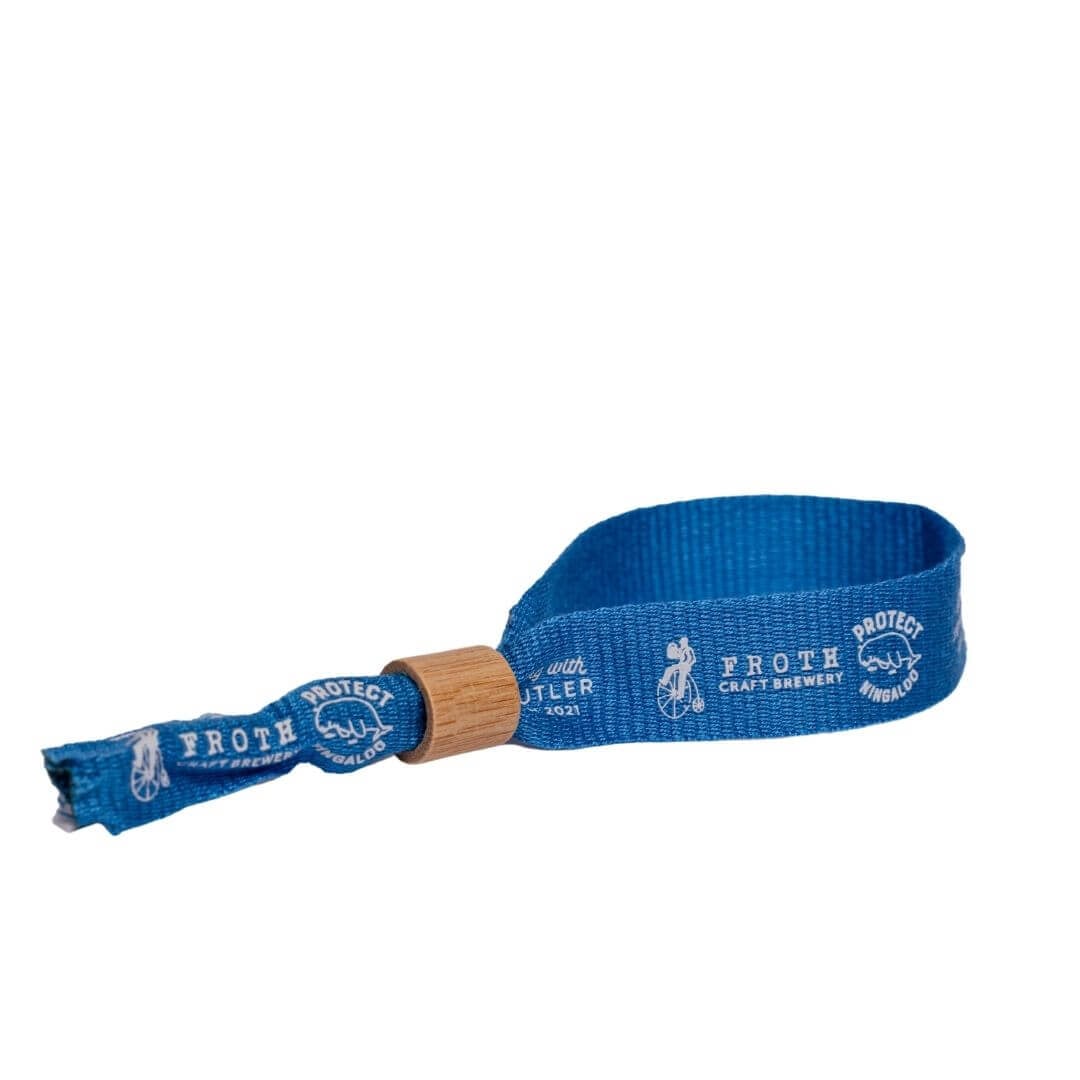
Bamboo fabric wristbands and RPET (recycled polyethylene terephthalate) fabric wristbands are two standout options for events that want to reduce single-use plastic. Bamboo is a rapidly renewable resource with natural antimicrobial properties, making it ideal for wristbands worn over multiple days. RPET wristbands are made from post-consumer recycled plastic bottles, giving waste material a second life while delivering the durability of a traditional fabric band.



Reducing Waste Beyond Wristbands
Wristbands are just one component. Work with caterers to minimise single-use packaging, partner with waste management providers to set up clearly labelled recycling stations, and choose digital ticketing over printed tickets wherever possible. Communicate your sustainability commitments to attendees before the event — it increases engagement and sets expectations for behaviour on the day.
Inclusivity: Designing Events for Everyone
An inclusive event is one where every attendee — regardless of age, ability, gender, cultural background, or neurodiversity — feels welcome and can participate fully. Inclusivity is not a box-ticking exercise; it is an ongoing practice that shapes every aspect of your event design.
Physical Accessibility
Ensure your venue has step-free access, accessible toilets, quiet rooms for attendees with sensory sensitivities, and clear signage in large print. If your event uses colour-coded wristbands for access control, consider adding tactile elements or text labels for attendees with colour vision deficiency.
Cultural and Social Inclusivity
Offer dietary options that reflect your attendee community. Schedule prayer and reflection spaces if your event spans multiple days. Use gender-neutral language in all communications and on your website. Small changes in language and design signal that everyone is genuinely welcome — not just tolerated.
Accessible Wristband Solutions for Diverse Attendees
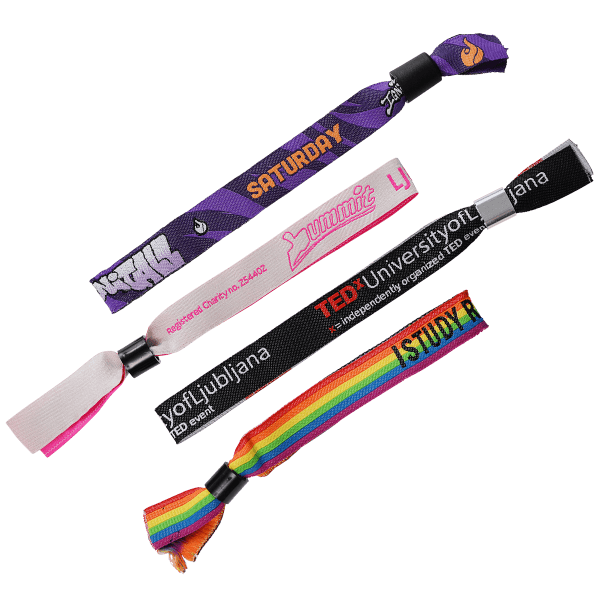
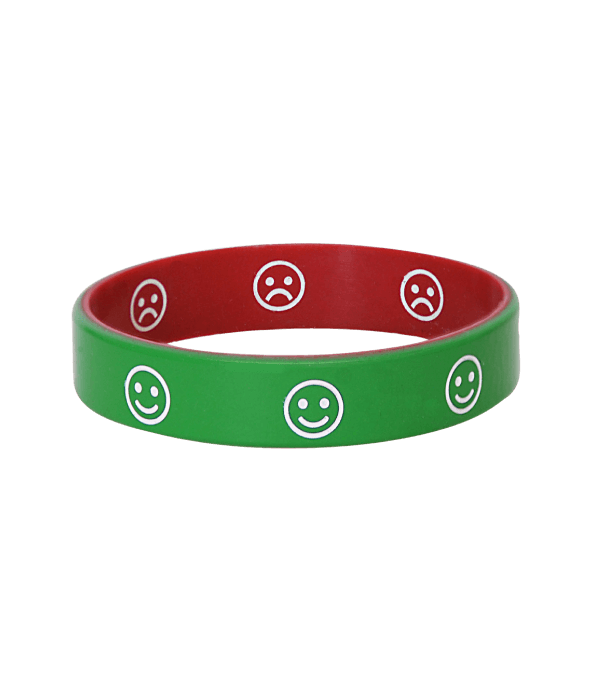
Wristbands need to accommodate all attendees comfortably. Elastic fabric bands are a practical choice for children, older attendees, or those with limited hand dexterity who may struggle with clip closures. Emotion bracelets — designed to help wearers communicate their social comfort level — are increasingly popular at neurodiverse-friendly events and community gatherings.
Explore our range of custom wristbands to find options that work for every attendee. Our team can advise on the best materials and closures for your specific event format.
Ethical Procurement and Supply Chain Transparency
Ethical event planning extends to your supply chain. When purchasing merchandise, wristbands, and branded products, ask suppliers about their manufacturing conditions, material sourcing, and environmental certifications. Choosing suppliers who prioritise fair labour practices and transparent sourcing aligns your procurement with your event's stated values.
Communicating Your Ethics to Attendees
Attendees increasingly want to know that the events they attend share their values. Include a sustainability statement in your event programme, on your website, and in pre-event communications. Highlight your eco-friendly wristband choice, your waste reduction measures, and your accessibility commitments. Transparency builds trust and encourages attendees to return for future events.
Measuring the Impact of Your Ethical Choices
After your event, measure what you can: waste diverted from landfill, percentage of plant-based food options, accessibility feedback from attendees with disabilities. Use this data to improve your next event and to report progress to stakeholders. If your organisation has sustainability targets, event impact data contributes directly to those reports.
For more ideas on responsible event merchandise, see our guide to fundraising wristbands and our full wristband range. Contact us to discuss sustainable options tailored to your event.
Frequently Asked Questions
What are the most eco-friendly wristband options for events?
Bamboo fabric wristbands and RPET fabric wristbands are the most sustainable choices. Both use renewable or recycled materials and are significantly more environmentally friendly than traditional PVC or standard polyester bands.
How can I make my event more inclusive for attendees with disabilities?
Focus on step-free access, accessible toilets, quiet rooms, large-print signage, and tactile elements on wristbands for attendees with colour vision deficiency. Consult with disability advocacy groups during your planning process for site-specific advice.
Can I use eco-friendly wristbands for multi-day events?
Yes. Bamboo and RPET fabric wristbands are durable enough for multi-day wear when fitted with a barrel lock closure. They are comfortable, water-resistant, and maintain their integrity across the duration of most events.
How do I communicate my event's sustainability efforts to attendees?
Include a sustainability statement in your event programme and pre-event emails. Use social media to highlight your eco-friendly choices — such as bamboo wristbands and recycling stations — before and after the event.
April 12, 2026

Share on Facebook

Share on X

Share on Pinterest
Comment(s)
Recent Posts