6 Cost-Effective Ways to Promote Your Business: Wristbands, Branded Merchandise, and Community Marketing
Why Physical Marketing Still Delivers for Small Businesses
In a world of digital ads and social media, physical marketing tools stand out precisely because they are tangible. A branded wristband, keychain, or accessory puts your business in front of potential customers in a way that a social media post cannot — it exists in the real world, persists over time, and is seen by people who may never encounter your digital presence. For businesses with limited marketing budgets, physical branded products offer exceptional cost-efficiency and measurable visibility.
These six strategies combine branded merchandise with community-focused marketing to build awareness, loyalty, and word-of-mouth referrals without the volatility of paid digital advertising.
Strategy 1: Launch a Custom Wristband Campaign
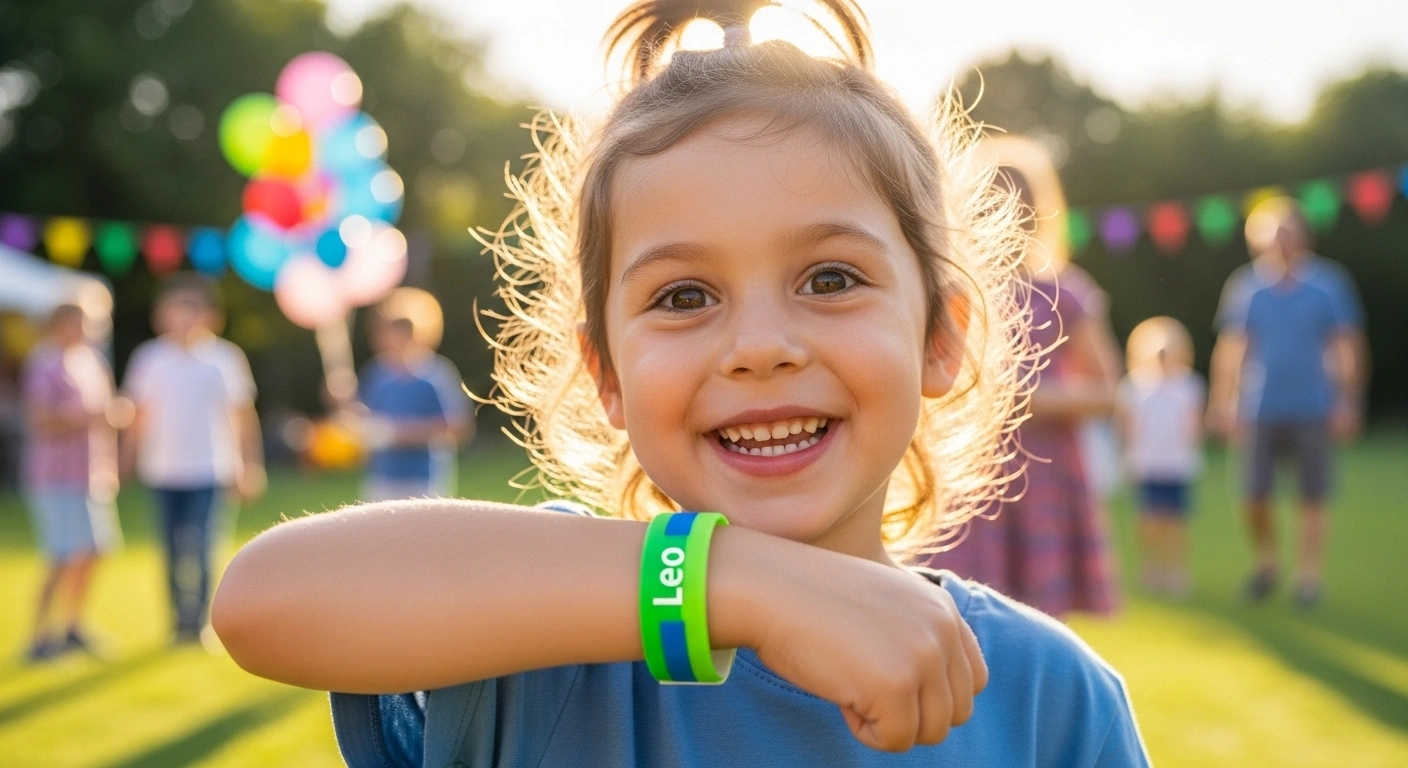
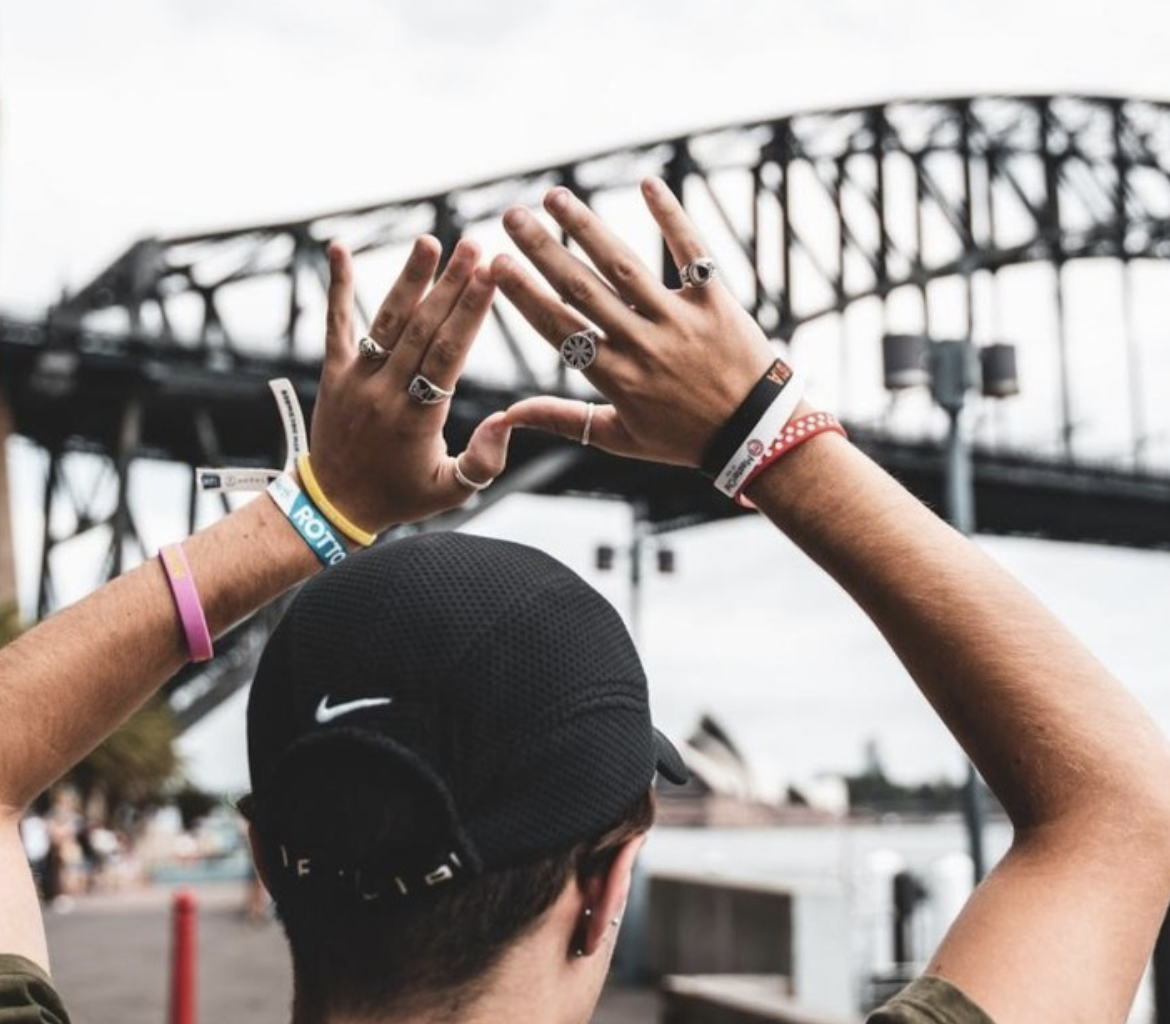
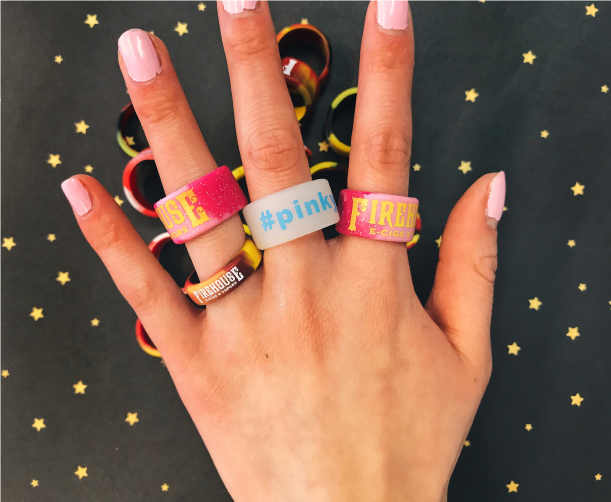
A branded wristband campaign is one of the most cost-effective awareness tools available to small businesses. Distribute wristbands at your premises, at local events, and to loyal customers as a thank-you gift. Every person who wears your wristband becomes a mobile ambassador for your brand, generating impressions wherever they go.
Creating a Campaign That Spreads Organically
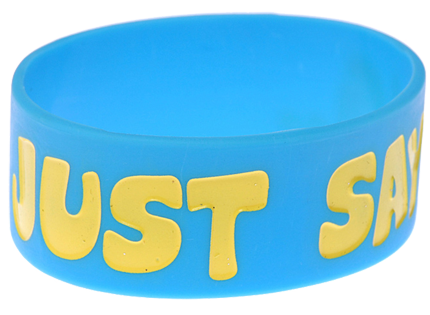
Tie your wristband to a simple message or cause that resonates with your community. A local gym might use a wristband to celebrate a community challenge; a café might use a coffee cup band to promote a seasonal offer. When the wristband is tied to something people care about, they are more likely to wear it consistently and talk about it with others.

Strategy 2: Sponsor Local Events and Sports Clubs
Local event sponsorship puts your brand in front of a concentrated, engaged audience at a fraction of the cost of mass media advertising. Provide branded wristbands as part of your sponsorship package — your logo on every attendee's wrist for the duration of the event. Sports club sponsorships work similarly: sponsor a team's wristbands or merchandise and your brand travels with the club all season.
Strategy 3: Create a Loyalty Reward Kit
Turn your most loyal customers into active brand advocates by rewarding them with a branded merchandise kit. A kit might include a custom wristband, a keychain, and a small accessory — items that are useful, personalised, and clearly branded. Loyalty kits create an emotional connection with your brand that a discount code never can. Recipients feel valued and are significantly more likely to recommend your business to others.
Browse our custom wristbands and branded keychains to build your loyalty reward kit.
Strategy 4: Partner with Complementary Businesses
Cross-promotion with non-competing businesses that serve the same customer base is a high-efficiency, low-cost marketing strategy. Exchange branded merchandise with your partners — place each other's wristbands or keychains at your respective front desks, or include each other's branded items in welcome packs. Both businesses benefit from each other's existing customer relationships at minimal cost.
Strategy 5: Use Branded Accessories in Every Customer Interaction
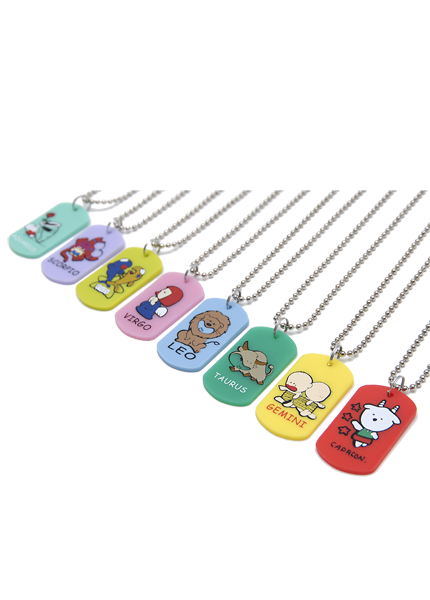
Every transaction is a branding opportunity. Include a small branded accessory in every order or service delivery: a custom keychain with a purchase, a coffee cup band with a takeaway order, a silicone dog tag as a keepsake with a premium service. These small gestures generate disproportionate goodwill and keep your brand visible in your customers' daily lives.
Strategy 6: Run a Community Challenge or Competition
Community challenges — where participants complete a task and share it on social media — generate organic reach at minimal cost. Create a challenge tied to your brand values and distribute branded wristbands to all participants as their entry token. Encourage participants to tag your business in their social posts and offer a branded merchandise prize for the winner.
Amplifying Your Challenge Online
Share participant photos on your own social channels, engage with comments and stories, and use a dedicated hashtag to track entries. The combined effect of participant posts and your own amplification creates a community-feel campaign that outperforms most paid advertising at a fraction of the cost.
Building a Sustainable Promotional Merchandise Strategy
The businesses that get the most from branded merchandise are those that treat it as an ongoing strategy rather than a one-off purchase. Plan your merchandise calendar around key business events — product launches, seasonal campaigns, customer appreciation moments — and keep a consistent brand aesthetic across all items.
For help selecting the right products for your promotional strategy, contact our team. We work with businesses of all sizes to build merchandise ranges that fit their brand, budget, and goals. Explore our full range of custom wristbands and branded accessories online.
Frequently Asked Questions
What is the most cost-effective branded product for small business promotion?
Custom silicone wristbands consistently offer the best cost-per-impression for small businesses. At bulk rates they cost $0.50–$1.50 per unit and generate ongoing brand impressions as long as they are worn — far outlasting a digital ad impression.
How can I use wristbands to promote my business at local events?
Distribute wristbands at events where your target customers are present — markets, community festivals, sports events, or charity runs. Tie the wristband to a clear message or offer and include your website or social media handle on the band.
What should I include in a branded loyalty kit for customers?
A good loyalty kit includes 3–4 items: a custom wristband, a keychain, a small branded accessory, and a personalised thank-you note. Keep items useful, on-brand, and compact enough to gift or post economically.
How do I measure the results of a branded merchandise campaign?
Track metrics like social media mentions, website traffic during the campaign period, new customer referrals, and repeat visit rates from customers who received merchandise. Survey new customers about how they heard about your business to identify merchandise attribution.
April 12, 2026

Share on Facebook

Share on X

Share on Pinterest
Comment(s)
Recent Posts