5 Common Wristband Myths Busted: What You Really Need to Know About Custom Bracelets
Why Wristband Myths Persist — and Why They Matter
Custom wristbands are one of the most versatile accessories on the planet. They are used for event access, brand promotion, fundraising, school identification, medical alerts, and personal expression. Yet despite their popularity, several persistent myths stop people from getting the most out of these simple but powerful tools.
Whether you are an event organiser evaluating wristband options, a school administrator considering a kindness campaign, or a business owner exploring promotional products, understanding the facts will help you make smarter decisions. Let us bust the five most common wristband myths once and for all.
Myth 1: All Wristbands Are Basically the Same
The Truth: Different Materials Serve Very Different Purposes
This is perhaps the most widespread misconception. In reality, wristbands come in a wide range of materials, each designed for specific use cases:
- Silicone wristbands — Durable, reusable, and ideal for long-term wear. Perfect for awareness campaigns, branding, and personal expression.
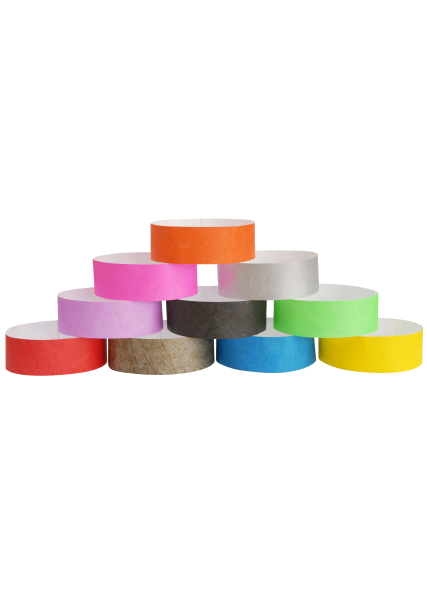
- Tyvek wristbands — Lightweight, affordable, and tamper-proof. Designed for single-day events like concerts, parties, and conferences.
- Fabric wristbands — Premium feel and durability. Ideal for multi-day festivals and events where security and comfort are paramount.
- LED wristbands — High-tech, interactive, and perfect for concerts, nightlife, and experiential events.
Choosing the wrong material for your needs can lead to security issues (silicone bands are not tamper-proof), unnecessary expense (fabric for a one-hour event), or discomfort (Tyvek for multi-day wear). The right wristband depends entirely on your specific use case.


Myth 2: Wristbands Are Unhygienic and Cause Skin Problems
The Truth: Quality Silicone Wristbands Are Hypoallergenic and Safe
This myth often stems from stories about people wearing the same wristband for months without cleaning it. The reality is that high-quality silicone wristbands are:
- Made from medical-grade, non-toxic silicone
- Completely latex-free and hypoallergenic
- Waterproof and easy to clean with mild soap and water
- Safe for all ages, including children with sensitive skin
Like any accessory — a watch, a ring, or a fitness tracker — basic hygiene practices keep wristbands clean and comfortable. Remove and wash your bands periodically, especially after heavy sweating, and they will remain fresh and safe to wear.
Myth 3: Custom Wristbands Are Expensive and Only for Big Organisations
The Truth: Custom Wristbands Are Affordable at Any Quantity
Many people assume that custom wristbands require massive minimum orders and big budgets. In fact, Handband offers custom debossed wristbands from as few as 4 units. This makes them accessible for:
- Small businesses running a local promotion
- Schools organising anti-bullying or kindness campaigns
- Sports teams wanting matching branded bands
- Individuals creating personalised gifts
For larger orders of 50 or more, bulk custom wristbands offer even greater value per unit. The cost per impression makes wristbands one of the most budget-friendly marketing tools available.
Myth 4: Wristbands Are Just a Passing Trend
The Truth: Wristbands Have Been Popular for Over 20 Years — and Growing
The modern silicone wristband rose to prominence in 2004 with the iconic yellow LIVESTRONG band. More than two decades later, wristbands are more popular than ever. The market has expanded from simple cause-awareness bands to sophisticated promotional tools, event access systems, and fashion accessories.
In 2026, wristband innovation continues with LED technology, RFID integration, eco-friendly materials like bamboo fabric and recycled RPET, and advanced customisation options including dual-layer laser designs and multi-colour combinations. Far from fading away, wristbands are evolving to meet new demands.
Myth 5: Wristbands Are Bad for the Environment
The Truth: Eco-Friendly Options Are Widely Available
While traditional silicone is not biodegradable, the wristband industry has made significant strides in sustainability. Today, you can choose from:
- Bamboo fabric wristbands — Made from one of the most sustainable and renewable materials on earth.
- RPET recycled fabric wristbands — Manufactured from recycled plastic bottles, giving waste a second life.
- Tyvek wristbands — Tyvek is a recyclable material, and single-use Tyvek bands produce less waste than plastic alternatives.
Additionally, silicone wristbands are designed for long-term reuse — a single band can last years, which dramatically reduces the environmental footprint per use compared to disposable promotional materials like flyers or paper tickets.
Make Informed Wristband Choices
Now that these myths are busted, you can approach your next wristband order with confidence. Whether you need event wristbands, branded promotional bands, or school wristbands, understanding the facts helps you choose the right product for the job.
Frequently Asked Questions
Are silicone wristbands safe to wear every day?
Yes. Quality silicone wristbands are made from non-toxic, hypoallergenic, latex-free material that is safe for daily wear by adults and children. Clean them periodically with soap and water to maintain hygiene.
What is the difference between rubber and silicone wristbands?
While the terms are often used interchangeably, silicone is actually more durable, flexible, and skin-friendly than natural rubber. Silicone wristbands resist UV damage, extreme temperatures, and moisture better than rubber alternatives.
How long do custom silicone wristbands last?
High-quality silicone wristbands can last several years with normal wear. Debossed text is engraved into the band and will not fade or peel. Printed text may wear over time with heavy use but typically remains legible for many months.
April 12, 2026

Share on Facebook

Share on X

Share on Pinterest
Comment(s)
Recent Posts