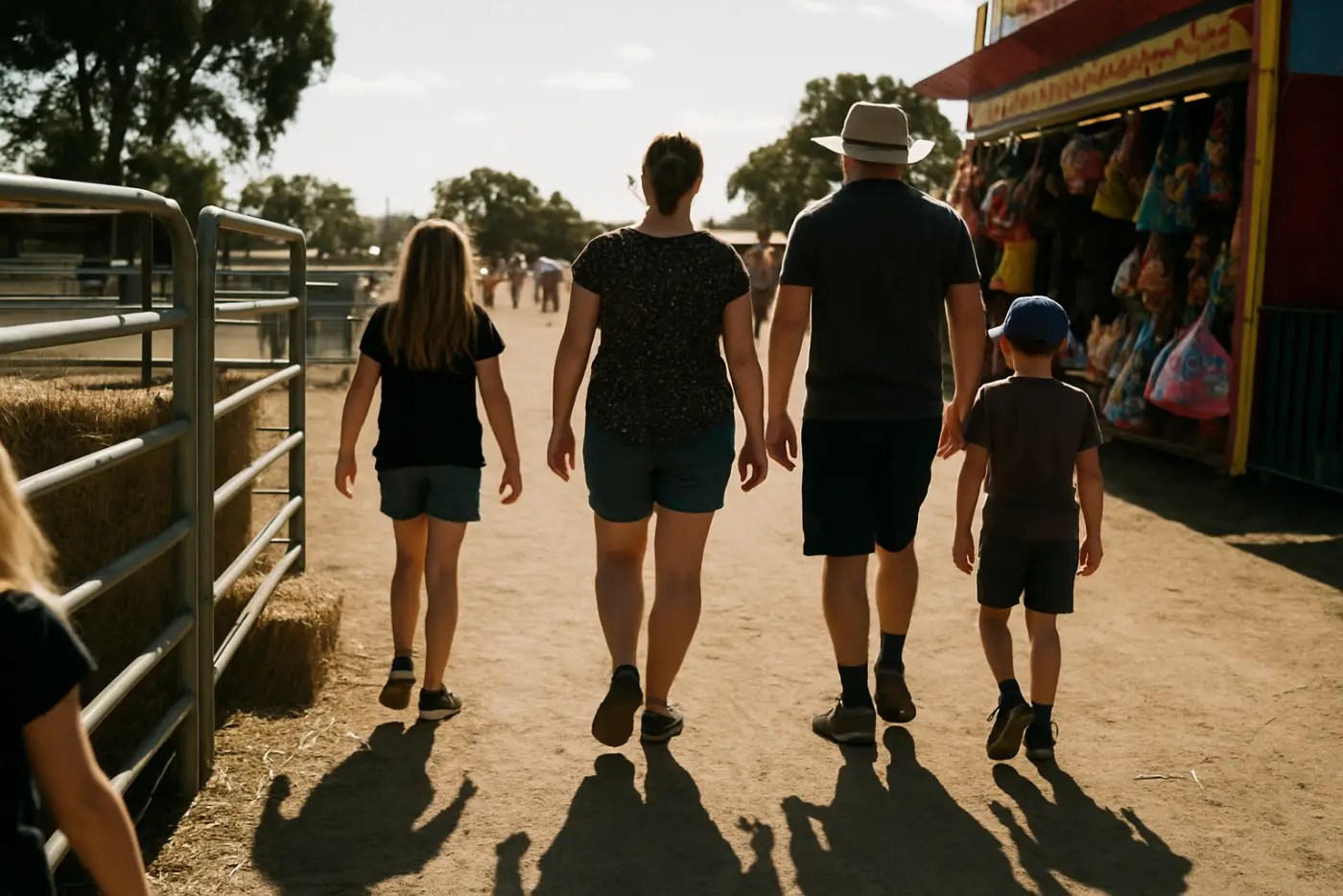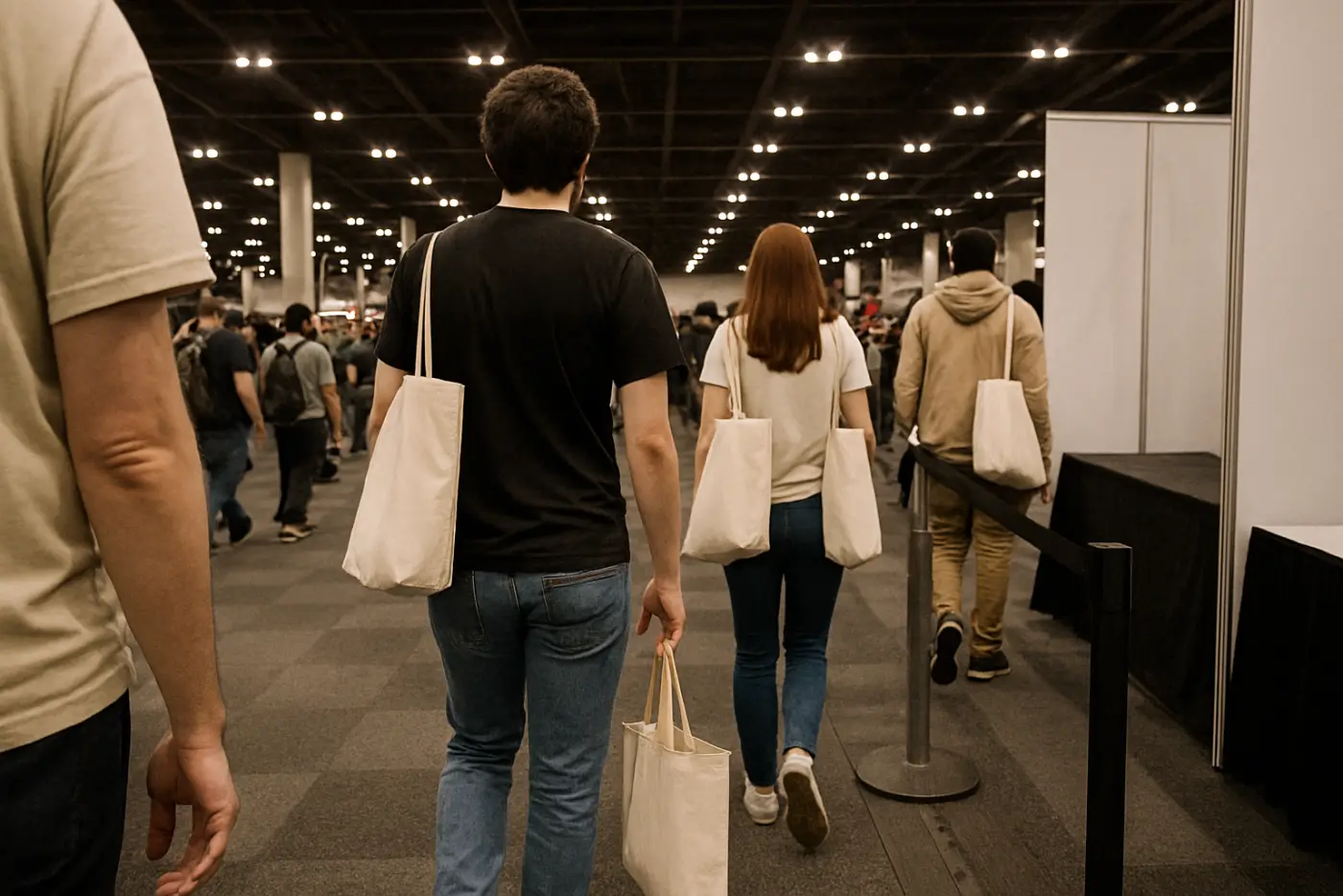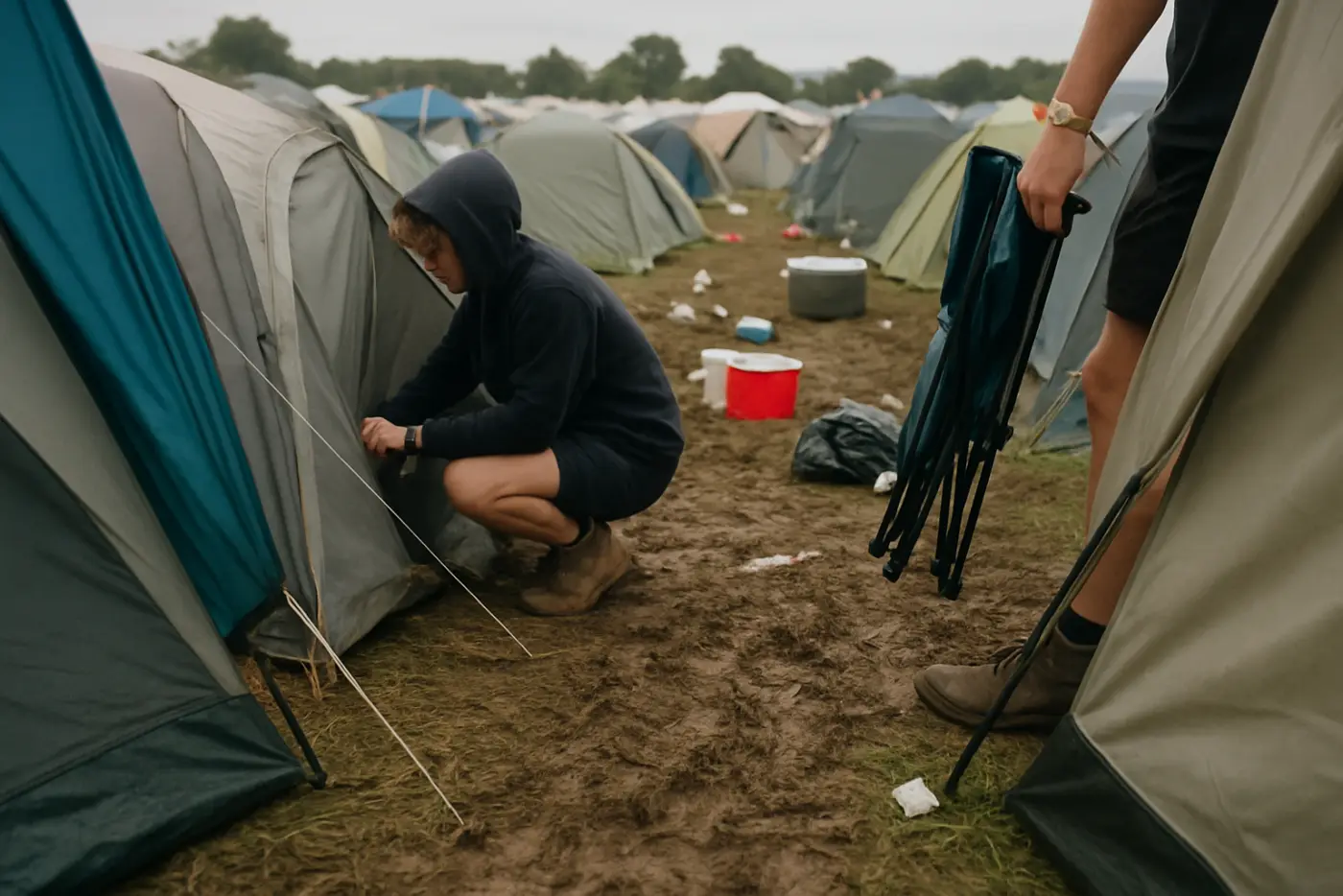
A food festival is a licensed venue that did not exist yesterday and will be gone tomorrow. Wristbands are how organisers hold that together: they mark who can drink, who has paid for a tasting session, and who is a trader rather than a customer — all readable by staff who were hired for the weekend.
A temporary licensed area needs a permanent-looking system
Most food events run a fenced licensed zone rather than checking ID at every stall. Banding at the entry to that zone means bar staff at any stall inside serve on sight. It also gives you something defensible to show a licensing inspector, which matters more at a pop-up than at a permanent venue.
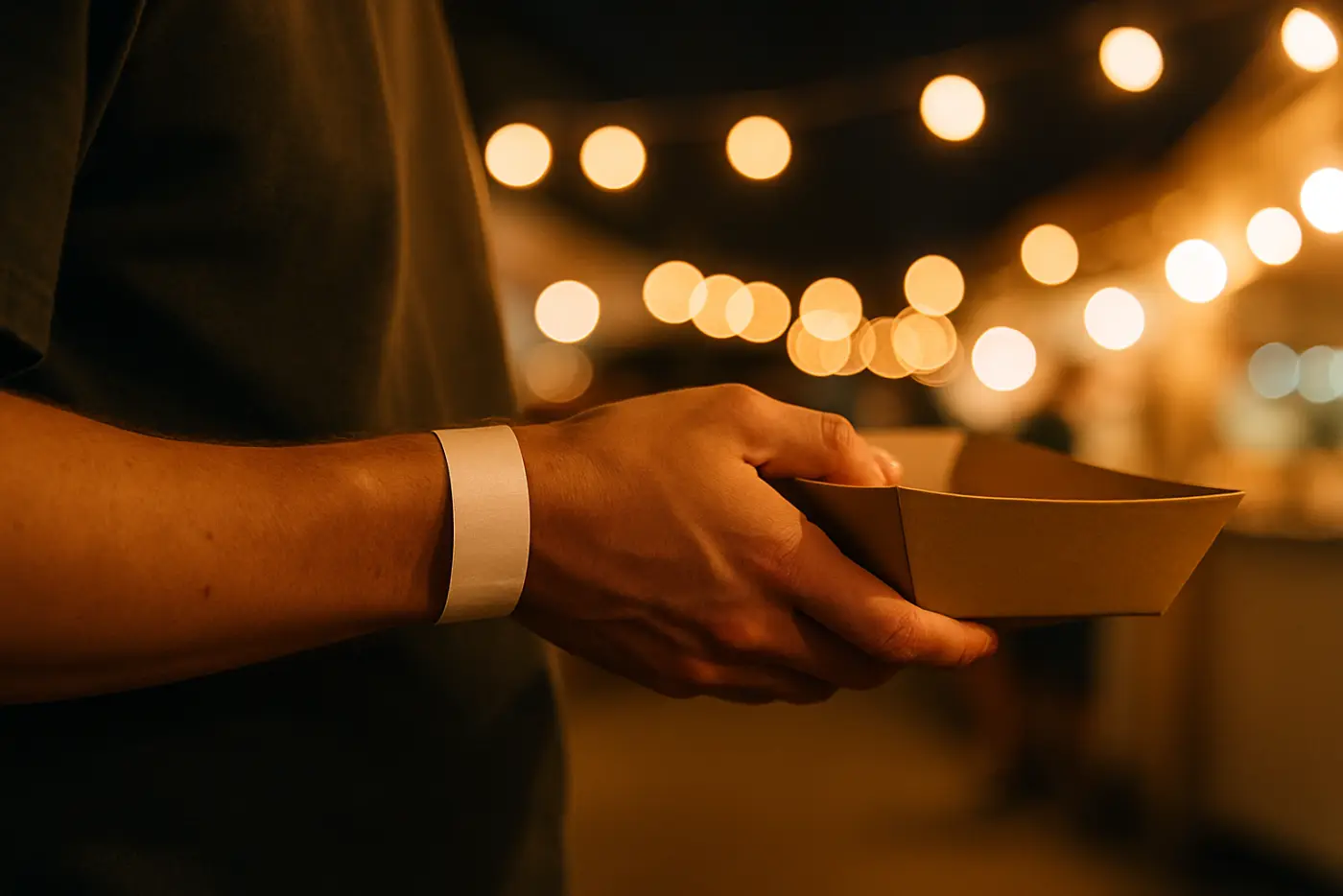
Date the band so last night's does not work tonight
Multi-night markets have an obvious weakness: a band kept from Friday reappearing on Saturday. Printing the date, or rotating colour by night, closes it. A custom-printed Tyvek band is cheap enough to print per night and tears if anyone tries to move it between wrists.
Recommended for you
Products related to this article
Hand-picked to go with what you just read.
Tasting sessions and paid degustation tickets
Events that sell timed tasting sessions need staff to see the session at a glance while a queue moves. Colour by session rather than printing times in small text — a stallholder glancing at a wrist in low light will read a colour and will not read a number.
Reusable cup and drink schemes
Many markets now run a reusable cup or token scheme to cut waste, and it needs a marker that survives being carried around all night. A printed cup band works for the deposit-return side of that and doubles as somewhere a sponsor can sit without cluttering the wristband.
Traders, staff and volunteers need their own band
Stallholders arrive before the public and leave after, and they need access when the site is closed. Give traders a distinct, more durable band for the whole event rather than re-issuing daily — a wide two-tone band is visible across a laneway and hard to confuse with a customer band.
Design for night, weather and greasy hands
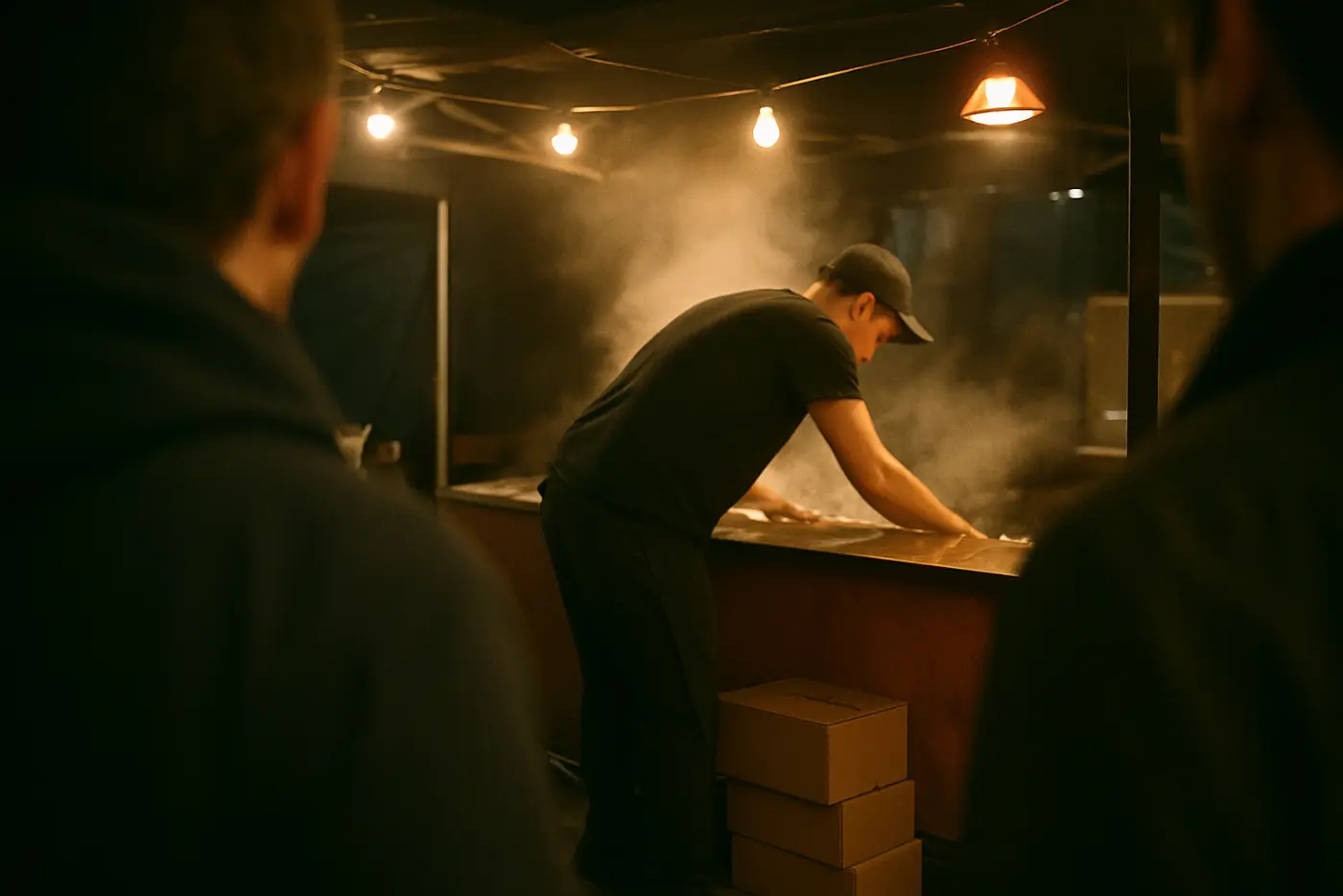
Outdoor evening trading means low light, rain, and hands covered in food. Choose strong contrasting colours rather than subtle shades, avoid fine print entirely, and accept that anything paper will look rough by the end of the night — which is fine if it only has to last one night.
Frequently Asked Questions
Quick answers from the Handband team
Why band customers at a food festival?
Because the licensed area is temporary. Banding at its entry lets every stall inside serve on sight and gives you a defensible process for licensing.
How do we stop bands being reused on the second night?
Print the date or rotate the colour nightly. A cheap printed band per night is far less costly than the loss from reuse.
How should timed tasting sessions be marked?
By colour, not printed times. Staff glancing at a wrist in low light read colour reliably and small text unreliably.
Can wristbands support a reusable cup scheme?
A printed cup band handles the deposit-return side and gives a sponsor somewhere to sit without cluttering the wristband.
Should traders get the same band as customers?
No. Traders need access before opening and after closing, so give them a distinct, more durable band for the whole event.
What colours work at a night market?
Strong contrasting colours. Subtle shades disappear under festoon and heat-lamp lighting.
Is a paper band good enough?
For a single trading night, yes. For a multi-day trader pass, use something more durable.

Written by
Founder, Handband
Founder of Handband; specialist in custom wristbands and promotional products for events, schools, charities, and brands.
← Previous
Wristbands for Fan Expos and Comic Conventions
Next →
Voice goes back to school with Multibandz
Comment(s)