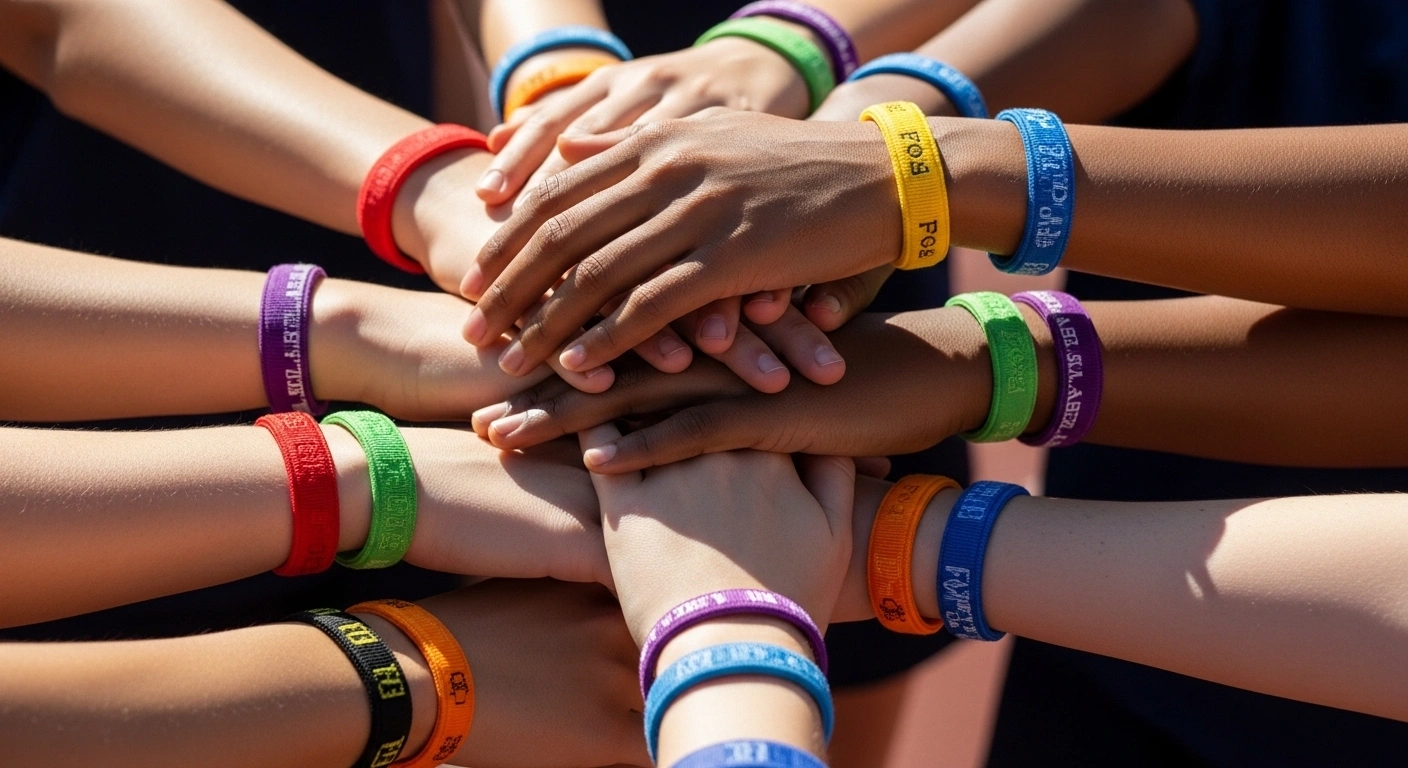
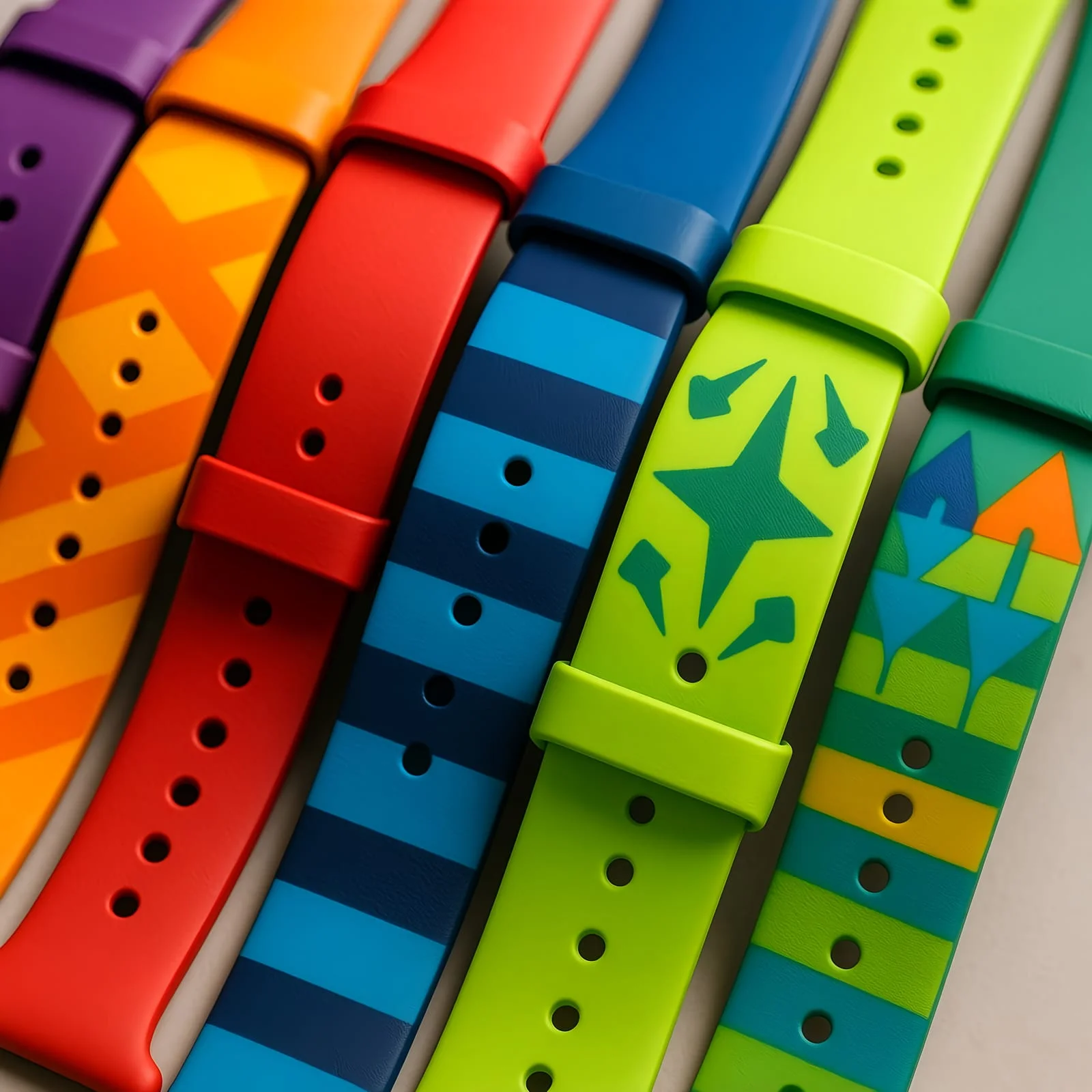
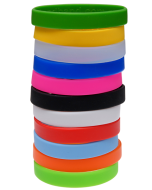
Colour-coded wristbands give teachers an instant visual system for grouping students — reading levels, table teams, activity rotations or excursion buddy pairs — without relabelling folders or reprinting name tags every term. A set of 3 to 6 solid colours covers most classes, and bulk blank wristbands keep the cost low enough to replace every year.
Why colour-coding works in a classroom
A quick glance at a wrist tells a teacher or relief staff which group a student belongs to, faster than checking a seating chart or a laminated list. It works for kids who can't yet read a roll confidently, and it survives a full day of play, sport and handwashing better than a paper badge or sticker ever will.
How many colours does a class actually need
Most primary classes get by with 4 to 6 colours — enough for reading groups, table teams or rotation stations without students mixing up who belongs where. Secondary classes often need fewer, larger groupings, such as house colours or elective groups, so 3 to 4 colours is usually plenty.
Recommended for you
Products related to this article
Hand-picked to go with what you just read.
Reading groups, table teams and rotations
Assign one colour per reading group or table team at the start of term and the visual system runs itself for the rest of the year — no need to re-sort folders or reprint labels every time groups shift. Rotation-based lessons (literacy stations, sport drills, science rotations) move faster when a teacher can sort a class by colour in seconds.
Excursion and buddy-system safety
On excursions, a colour-coded wristband for schools gives supervising adults a fast headcount tool — group by colour at each stop instead of calling a full roll. Pairing it with a buddy system (same colour = same buddy pair) adds a second layer of accountability with zero extra admin.
Custom printed vs plain blank wristbands
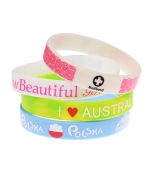
Plain blank wristbands in a handful of solid colours are the cheapest way to colour-code a cohort, and they can be reordered term to term as colours are reused. For a longer-term set, a custom printed wristband with the school name or year level adds a small branding touch without changing the core colour system.
Ordering enough for a whole cohort
Order with a small buffer above the class or cohort size — wristbands get lost, swapped or handed down to younger siblings more often than name badges do. Bulk pricing on plain wristband bundles makes it affordable to keep spares on hand for the whole year, not just term one.
Frequently Asked Questions
Quick answers from the Handband team
How many wristbands does a class of 25 need?
Order at least 30-35 to allow for loss, swaps and a few spares for new enrolments mid-term — bulk bundles make this cheap enough to over-order slightly.
Can the wristbands be reused across terms?
Yes — plain blank silicone wristbands have no printed date or term, so the same colour set can be reassigned to new groups each term or reused the following year.
Are silicone wristbands safe for young children?
Silicone wristbands are latex-free and designed for everyday wear, but for pre-schoolers or children who mouth objects, adult supervision when fitting or removing any wristband is recommended, as with any small accessory.
Can a school logo or year level be printed on them?
Yes — custom printed wristbands can include a school name, year level or house name alongside (or instead of) a solid colour, for a small extra cost over plain blanks.
What sizes suit primary vs high school students?
Most suppliers offer a small/youth size for primary-aged wrists and a standard adult size for high schoolers and staff — check the sizing chart before ordering a full cohort.
How far in advance should a school order before term starts?
Allow 1-2 weeks for a plain blank bulk order and 2-3 weeks for a custom printed run, especially if ordering ahead of a new school year when suppliers are busiest.

Written by
Founder, Handband
Founder of Handband; specialist in custom wristbands and promotional products for events, schools, charities, and brands.
← Previous
Anti-Bullying Wristbands for Australian Schools: 2026 Guide
Next →
Custom Silicone Moulding for Branded Promotional Merchandise
Comment(s)