

A young Leyden Township boy turned a personal commitment to remember September 11 into a memorial wristband fundraiser that raised meaningful money for the FDNY Foundation. His story is one of dozens of similar youth-led memorial campaigns — and a useful template for any community organisation looking to channel grief and gratitude into something concrete.
Below is how memorial wristband campaigns work, what makes the youth-led model so effective, and how any community group can run a similar program for September 11 or another remembrance date.
Why Memorial Wristbands Work
- Visible. A band on the wrist signals remembrance every day — not just on the anniversary.
- Tangible. Donors get something physical to hold in their hand.
- Conversational. The band prompts conversations about the cause — especially valuable for younger generations who didn’t live through the event.
- Cheap to produce. Bulk silicone bands cost cents at scale.
Why Youth-Led Campaigns Often Outperform
- Authenticity — a kid’s genuine commitment moves donors more than corporate messaging.
- Local press coverage — community newspapers love a youth-led initiative.
- School involvement — teachers and administrators amplify the campaign.
- Peer engagement — classmates buy bands and wear them visibly.
Recommended for you
Products related to this article
Hand-picked to go with what you just read.
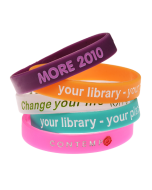
Designing the Memorial Band
- Date or year — the anchor of the memorial.
- Short remembrance slogan — “Never Forget”, “Always Remember”, “In Memory”.
- Receiving charity name — donors want to know where the money goes.
- Colour appropriate to the cause — red/white/blue for September 11; cause-specific colours for other memorials.
- Debossed engraving — the message lasts the lifetime of the band.
Running a Youth-Led Campaign Safely
- Adult coordinator for charity registration, money handling and tax compliance.
- Pick a registered charity with clear public documentation.
- Confirm the partnership in writing before the campaign launches.
- Use a separate bank account for campaign proceeds — transparency matters.
- Issue receipts where applicable for tax-deductible donations.
- Publish a final total with a public thank-you to the receiving charity.
A Small Action That Compounds
A memorial wristband campaign isn’t about the dollars on its own. It’s about giving a community — and especially young people — a way to channel respect and grief into something concrete. The Leyden boy’s campaign and dozens like it show the model works at every scale.
Frequently Asked Questions
How do communities use wristbands for September 11 memorials?
Memorial wristbands are sold in the lead-up to the anniversary, with proceeds going to first-responder charities, victim memorial funds or scholarship programs. Bands typically carry the date (9/11/01), a short slogan (“Never Forget”) and the name of the receiving fund.
Can a young person run a memorial wristband fundraiser?
Yes — many of the most successful memorial campaigns are youth-led. The Leyden Township boy who started a 9/11 wristband sale is one of dozens of similar youth-run programs that have raised thousands. Adult supervision helps with the charity registration and money handling.
Where should the proceeds go?
Pick a registered charity tied to the cause: the FDNY/NYPD Foundation, Tunnel to Towers, the National September 11 Memorial & Museum, or a local first-responder fund. Confirm the partnership in writing. Print the charity name on the band.
How much can a small memorial campaign raise?
A 200–500 band campaign typically raises $1,000–$5,000. Larger community-wide drives raise tens of thousands. The economics: bands cost $1–$2 per unit at scale, sell at $5–$10 with the difference going to the cause.
How long does it take to produce memorial bands?
Custom debossed bands take 2–3 weeks plus shipping. For tight timelines (an anniversary date), order 6–8 weeks ahead. Stock blank red, white and blue bands ship within days for last-minute additions.

Written by
Founder, Handband
Founder of Handband; specialist in custom wristbands and promotional products for events, schools, charities, and brands.
← Previous
Why Handbands Are Great for Kids: 5 Reasons Parents & Schools Love Them (2026)
Next →
How Do YOU Use Your Handbands? 5 Common Use Cases for Wristbands (2026)
Comment(s)