
Complaining feels good in the moment — the small relief of getting frustration off your chest. But research from neuroscience and psychology is consistent: habitual complaining strengthens neural pathways for negative thinking, raises cortisol, weakens immune response, and damages relationships. By age 50, chronic complainers have measurably worse health and worse relationships than people who built different habits earlier.
The good news: small visible cues can interrupt the habit before it fires. Below is how a Handband mindset wristband helps people break the complaining loop and build daily positivity.
Why Complaining Damages Wellbeing
- Neural reinforcement. The brain strengthens whatever circuits it uses most. Complaining strengthens negativity circuits.
- Stress hormones. Habitual complaining raises cortisol and adrenaline — long-term effects on immune system, sleep and mood.
- Relationship damage. Chronic complainers report more conflict and less close support over time.
- Habit lock-in. The longer the habit runs, the harder it is to break — which is why early intervention matters.
The 21-Day No-Complaint Challenge
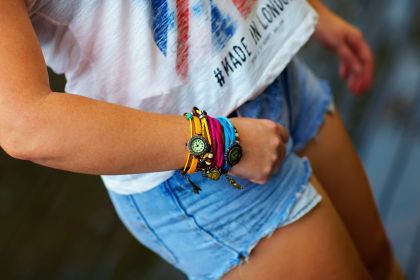
The most well-known mindset wristband challenge: wear a bracelet on one wrist. Every time you catch yourself complaining, switch it to the other wrist and restart the day count. The goal: 21 consecutive days without switching. Most people take 4–8 months to actually hit 21 days — and report measurable improvements in mood, relationships and sleep along the way.
Recommended for you
Products related to this article
Hand-picked to go with what you just read.
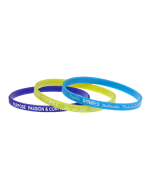
Designing a Mindset Wristband
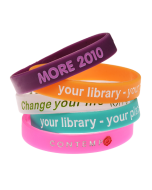
- Short positive slogan — “Stay Positive”, “Be Kind”, “Pause First”.
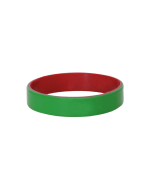
- Calming colour — green, purple, blue work better than aggressive reds.
- Engraved (debossed) text for permanence.
- Comfortable for daily wear — you’re going to wear it for months.
Pair the Band With Real Practices
- Daily 3-things-I’m-grateful-for journal entry.
- Weekly check-in: which complaints were worth raising as constructive feedback, which weren’t?
- Replacement habit: turn each complaint into a question or a request.
- Trigger awareness: what situations, people, times of day pull complaints out?
Family and Workplace Programs
Schools and families running structured positivity programs report measurably better classroom culture and household mood after 6 weeks. Workplaces running quarterly “constructive feedback over complaining” drives report better team dynamics, less burnout and lower turnover.
A Small Cue, Big Compounding Effect
Habits compound over years. A wristband worn daily, paired with simple replacement practices, makes the unconscious habit of complaining visible enough to actually change. The long-term ROI on better mood, better relationships and better sleep is one of the highest-leverage habit changes available.
Frequently Asked Questions
Why is complaining bad for you?
Research from neuroscience and psychology consistently shows that habitual complaining strengthens neural pathways for negative thinking, increases stress hormones, weakens immune response, and damages relationships. The good news: visible cues can interrupt the habit before it fires.
Can a wristband actually help me complain less?
Used as a daily visible reminder, yes. The most well-known version is the “21-day no-complaint challenge” — switch the band wrist every time you complain, restart the count. The band makes the unconscious habit visible and trackable.
What slogan works on a positivity wristband?
Short and personal. “Stay Positive”, “Be Kind”, “Choose Joy”, “Pause First”. Engraved (debossed) text doesn’t fade.
Are bands a good fit for whole-family mood programs?
Yes. Matching coloured bands per family member with a shared slogan turn mood-management into a small daily team commitment. Especially powerful when modelled by parents for children.
How can workplaces use mindset bands?
Run a quarterly wellness drive: distribute 50–200 bands at a Friday morning tea with a short talk on positive culture. Pair with structured training on giving feedback constructively rather than complaining.

Written by
Founder, Handband
Founder of Handband; specialist in custom wristbands and promotional products for events, schools, charities, and brands.
← Previous
Making the Family Finances Go Further With Visible Habit Cues (2026)
Next →
Teens Fundraise for Cancer: How Schools & Youth Groups Run Wristband Campaigns (2026)
Comment(s)