

In early 2013, a junior at Warrior Run high school did what many adults couldn’t figure out how to do in the wake of Sandy Hook: she ordered silicone wristbands, set up a folding table at the cafeteria, and asked classmates to buy one with proceeds going directly to the affected community. Within weeks her one-junior drive had moved more than a thousand bands and channelled real money to families thousands of kilometres away.
Student-led tragedy fundraisers like this one have a unique kind of moral force: it’s teenagers responding to something the adult institutions struggle with. This guide walks through how high school cause campaigns are run today, the design and distribution choices that separate effective peer-led tragedy fundraisers from the ones that fade after a week, and the safeguards every junior class bracelet drive should have in place before the first band is sold.
Why a Peer-Led Tragedy Fundraiser Wristband Works
Three things make student-led drives uniquely good at converting community grief into channelled support:
- Moral clarity. A teen running a fundraiser cuts through political noise that often surrounds adult-led campaigns.
- Built-in audience. A high school of 1,000-2,000 students is dense, peer-influenced, and sees the same hallway daily for months.
- Press magnet. Local papers run student-led tragedy stories almost universally — the “teen takes initiative” angle writes itself.
The Engraving Format That Sells in High School Drives
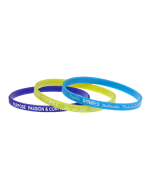
Within the 25-character debossed limit, three formats consistently perform for student council tribute drives:
- FOR [TOWN/SCHOOL] (e.g., “FOR SANDY HOOK”) for distant-tragedy support
- [YEAR] · NEVER FORGOTTEN for memorial framing
- [NAME] STRONG if a specific victim is being honoured (e.g., “NEWTOWN STRONG”)
Avoid: anything political, partisan slogans, demand-for-policy statements. Tragedy memorial wristband drives work best when the message is grief, support, and community, not policy debate.
Recommended for you
Products related to this article
Hand-picked to go with what you just read.

Adult Supervision & Safeguards for High School Cause Campaigns
Student-led drives are powerful but need an adult sponsor to handle the operational basics that students legally can’t:
- Bank account. Most US/AU banks won’t open an account for a minor; a parent or staff sponsor co-signs.
- School approval. Principals must sign off on cafeteria sales and any cash collection on school grounds.
- Charity vetting. If proceeds go to a registered charity, the adult sponsor verifies the recipient is legitimate (DGR-registered in AU, 501(c)(3) in US).
- Press contact. Adult-supervised press releases protect students from getting overwhelmed by media requests.
See our peer-led childhood cancer case study for a parallel younger-age template, and the cause-amplification piece for adult-led parallels.
Distribution: Where High School Drives Move Bands
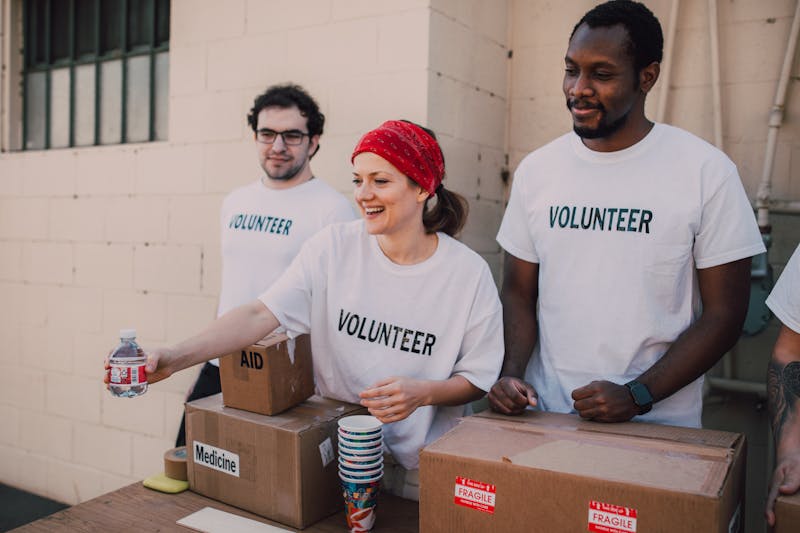
A 4-6 week junior class bracelet drive at a 1,500-student US high school typically moves 800-2,500 bands across these channels:
- Cafeteria table — staffed by rotating volunteers during all 3 lunch periods.
- Homeroom classroom drops — each homeroom rep takes 30 bands and sells to classmates.
- Sports event tables — football game, basketball home game, school musical — one weekend event per week.
- Local business partner counter — a community cafe or pizza place runs a counter jar.
Money Flow for a National Tragedy Fundraiser
When the proceeds need to travel across state or country lines (as in the Sandy Hook case from Pennsylvania), the path becomes more complex than a local drive:
- Pick a registered charity that already serves the affected community (Sandy Hook Promise, local memorial fund, official 501(c)(3)).
- Get the ABN/EIN in writing before the campaign launches; it’s on their website.
- Single bank transfer at campaign close — not piecemeal weekly transfers, which complicate accounting.
- Confirmation receipt from the recipient charity, photographed and shared with donors.
Press Coverage & Amplification
Student-led national-tragedy fundraisers get press at three levels:
- School newspaper — near-universal coverage. Run early to drive sales.
- Local town paper — community-news desk runs a 3-paragraph story with photo. Coverage rate >80%.
- Affected-community paper — if the cause is geographically distant, contact the paper at the receiving end. The story of strangers helping resonates.
Adult sponsor handles all press contacts to protect the student lead from overwhelming media requests.
What Could Go Wrong (And How to Prevent It)
- Cash mishandling — lost or stolen jars. Solution: clear sealed jars with slot, daily empties, two-person count.
- Charity scam recipient — donating to an unverified entity. Solution: stick to nationally-known DGR/501(c)(3) charities.
- Politicisation — the drive gets dragged into a policy debate. Solution: messaging stays grief and community-support, not policy.
- Burnout — the student lead gets exhausted handling daily logistics for 6 weeks. Solution: rotate volunteers, schedule fixed-hours sales.
See our community anti-violence campaign template for a parallel community-violence response, and the sports tribute template for adult-led adjacents.
Closing the Drive with Recognition
The closure ritual matters: announce the total in homeroom, post the bank-receipt photo on the school’s socials, recognise volunteers in the principal’s morning announcements. The student lead deserves visible credit — their initiative is what made everything work.
Browse the Fundraising category for product options with bulk pricing for high school cause campaigns.
Closing Thought
The Warrior Run drive worked because one junior decided to act. Student-led tragedy fundraisers rarely fail because of product, price, or logistics. They succeed or fail based on whether one teenager is willing to stand at the lunch table for six weeks straight. If you’re an adult sponsor reading this, your job is to make that easier — not to run the campaign for them.
Frequently Asked Questions
How much can a student-led tragedy fundraiser raise?
A 4-6 week drive at a 1,500-student US high school typically raises ,000-,000 net. Smaller campaigns at junior-high level raise 00-,000. The variable is duration, press exposure, and whether the cause connects to the community personally.
Do students need an adult sponsor to run a high school cause campaign?
In practice, yes. Banks won't open accounts for minors, principals require staff sponsors for cash collection on school grounds, and press requests need adult-supervised handling. The adult sponsor is logistical infrastructure — the campaign is still student-led.
Should we donate to a registered charity or directly to affected families?
For distant tragedies (different state or country), donate via a registered charity already serving the affected community — this avoids legal complications around international transfers and ensures funds reach legitimate recipients. For local tragedies, direct-to-family is simpler and more personal.
What's the right colour for a tragedy memorial wristband?
Purple for general memorial, gold for childhood cancer, green for mental-health awareness, the affected community's school colours when honouring a school tragedy. Avoid politically-coded colours that might pull the campaign into policy debate.
How do we handle press requests respectfully?
Adult sponsor takes all press contacts. Send a 200-word summary plus one clean photo to school newspaper, local town paper, and (if applicable) the affected-community paper. Keep the messaging grief and community-support, not policy.

Written by
Founder, Handband
Founder of Handband; specialist in custom wristbands and promotional products for events, schools, charities, and brands.
← Previous
University Memorial Wristbands — Tribute Fundraisers (2026)
Next →
School Principal Memorial Wristband Fundraiser 2026
Comment(s)