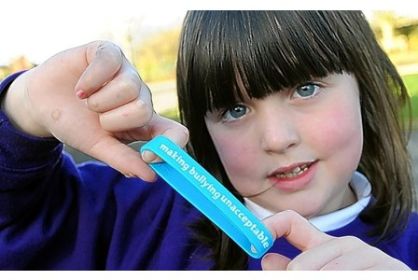

Anti-drug wristbands and student incentive programs give Australian schools a low-cost, highly visible way to recognise good choices — and the wristband itself becomes a daily peer-reinforcement reminder that lasts long after the assembly is over. From "Drug-Free Class of 2026" wristbands to colour-coded incentive bands for sports days, healthy-canteen choices and anti-bullying campaigns, the silicone band has quietly become one of the most cost-effective behavioural-reinforcement tools in Australian primary and secondary schools.
This 2026 guide explains how Australian schools design, fund and run anti-drug and student-incentive wristband campaigns that actually shift behaviour — with real examples, pricing, distribution tactics, and the small design details that turn a $1.50 band into a campaign students wear for months.
Written by
Michael Randall — Founder, Handband
Updated 23 May 2026 · 9 min read · 15+ years supplying Australian schools, P&Cs and community programs
Why Wristbands Work as a Student Incentive
- Daily visible reminder. Unlike a sticker or certificate that goes in the drawer, a wristband stays on the wrist 18+ hours a day — peer reinforcement works while the school day is happening.
- Social-proof effect. When 60% of a year group wears the same "drug-free" or "anti-bullying" band, the holdouts start asking how to get one. Behaviour shifts from individual to cohort-wide.
- Low cost vs alternative incentives. $1-2 per band at scale beats almost every other tangible reward (vouchers, prizes, excursions) for cost-per-student-reached.
- Tactile commitment. Putting a band on is a small public commitment to the cause. The act itself reinforces the choice each morning the student puts it back on.
- Easy parent + community visibility. Parents see the band at the school gate; community sees it at sport. Reinforces the school's wider campaign messaging.
Common Student-Incentive Wristband Campaigns
- Drug-Free Class of [Year] — multi-year cohort programs where students wear the band through high school
- Anti-bullying / Be a Buddy — colour-coded peer-support campaigns
- Healthy Canteen / Crunch & Sip — visible badge for students choosing healthy lunch options
- Anti-Vaping / Vape-Free — a 2024-2026 surge in NSW + VIC schools
- House cup / sport house spirit — colour bands for house competitions, sports days, swimming carnivals
- Reading Challenge / Book Week — milestone bands for students who hit reading targets
- Leadership / Year 6 buddy — recognition for student leaders mentoring younger years
- Mental Health Awareness / R U OK? — visible solidarity bands paired with assembly programs
Recommended for you
Products related to this article
Hand-picked to go with what you just read.
Designing an Effective Student Incentive Wristband
Choose a positive message, not just a negative one
"Drug-Free Class of 2026" outperforms "Say No to Drugs" by a wide margin. Adolescent psychology: identity-affirming messages (who you are) drive longer-term behaviour change than prohibitions (what you must not do). Same band, far better stickiness.
Pick a colour that has meaning
Red = anti-drug (high visibility, alert). Pink = anti-bullying (R U OK colour familiarity). Green = healthy canteen. Yellow = leadership. Blue = calm/team. Match the colour to the cause so the band carries meaning even when the text fades.
Add a year or cohort marker
"Class of 2026" or "Year 9 — 2026" turns the band from generic merch into a cohort identity. Years later, the band stays a memento.
Avoid school logos (in some cases)
For anti-drug or anti-bullying programs, students prefer NOT to wear a school-branded band off-campus. Generic cause messaging gets worn longer than school-branded incentive bands.
Funding the Campaign: Three Common Models
- P&C-funded. Most common at primary level. P&C pays $300-$1,000 for 200-700 bands; school gives them out as part of the program launch.
- Sponsor-matched. Local Bunnings, IGA, council, or community group covers the band cost in exchange for a small "sponsored by" line on the band or campaign page.
- Sold-not-given. Students buy bands at $2-$5 each; proceeds fund the broader campaign (guest speakers, materials). Higher commitment from buyers, but lower distribution.
Distribution Tactics That Work
- Launch at assembly. Hand out at the start of the program with a 5-minute commitment talk. First-day participation rate matters.
- Tie distribution to a small action. "Sign the pledge / write your goal / nominate a buddy → get your band." Adds commitment psychology.
- Re-stock at term boundaries. Bands get lost. Hand out replacements at the start of each term to keep the cohort participation rate high.
- Year-7 onboarding. If running multi-year cohort programs, hand out at year-7 enrolment so new starters wear the band from day one.
Sustaining Behaviour Change Past Week 2
Wristbands alone don't change behaviour — they reinforce a broader program. Pair the band with: 2-3 assembly talks across the term, peer-buddy partnerships, a visible "thermometer" tracking program milestones, and small mid-term celebrations (free dress day, shared lunch). The band sustains visibility between events; the events sustain the program's energy.
Measuring Whether the Program Is Working
Concrete indicators Australian schools use:
- Survey participation rates pre/post (anonymous, opt-in)
- Disciplinary incident counts term-on-term
- Canteen healthy-choice sales (for healthy-canteen programs)
- Student leader nominations (for leadership programs)
- Parent feedback at school council meetings
Don't expect measurable shifts before 4-6 months. Behavioural change campaigns operate on terms, not days.
Australian Examples That Worked
- Catholic secondary school, regional NSW — multi-year "Drug-Free Class of [Year]" program with cohort wristbands handed out at year-7 enrolment; sustained for 6 cohorts, with anonymous-survey data showing measurable shifts in cohort attitudes.
- VIC primary school P&C — "Buddy Bands" program where year-5 students mentor year-prep students through their first term; bands serve as visible identifier and conversation starter.
- QLD inner-city school — "Vape-Free 2025" campaign launched after the federal vaping ban, paired with assembly talks and parent information nights.
- WA P&C — "Crunch & Sip" green bands for students choosing whole-fruit snacks at recess; canteen reported a measurable shift in lunch-order patterns.
Common Mistakes That Kill These Campaigns
- Generic "Just Say No" messaging. Identity-affirming positive framing works far better than prohibitions.
- One-off launch with no follow-through. If there's no assembly, no buddy program, no measurement, the band becomes a souvenir of a forgotten campaign.
- School-logo branding on off-campus bands. Students remove them off campus. Generic cause bands get worn longer.
- Too many colours / messages at once. One campaign at a time. Run them across the year rather than all at once.
- Not budgeting for replacements. Bands break or are lost. Order 20% extra for re-stocking through the year.
References & Further Reading
Frequently Asked Questions
How much do anti-drug or student incentive wristbands cost for an Australian school?
Custom silicone wristbands cost around $1.00-$1.50 per band at bulk volumes (200+ bands). A primary school program for 200-300 students typically costs $250-$450 plus a small setup fee for design. Secondary schools running multi-year cohort programs (400-800 students) usually budget $600-$1,500. Tyvek paper bands for short-term campaigns cost as little as 30 cents each at scale.
What colour should we use for an anti-drug or anti-vaping campaign?
Red is the conventional Australian anti-drug colour (high-visibility "alert" signal). For anti-vaping campaigns, blue or teal is now common (associated with respiratory/lung health). Schools running multi-cause programs across the year often pick a single school-house colour palette and rotate messages on the same colour base.
How fast can a school get wristbands delivered for a campaign launch?
Standard production for custom-engraved silicone wristbands is 7-14 working days. For schools with a fixed campaign-launch date (assembly, awareness week, sports carnival), order 3-4 weeks ahead. Rush 24-hour services are available for urgent campaigns (e.g. after a community incident) — confirm timing with the supplier when placing the order.
Should the school logo or just the cause message be on the wristband?
For anti-drug and anti-bullying campaigns, generic cause messaging (no school logo) is worn longer because students don't feel they're advertising school off campus. For sport-house bands, healthy-canteen bands, or year-cohort identity bands, school branding is appropriate. Decide based on whether the band needs to "work" outside school hours.
Are wristbands evidence-based for changing student behaviour?
Wristbands on their own don't change behaviour — they're a reinforcement tool. The evidence base supports incentive programs that combine: a visible badge (the band), regular reinforcement (assembly talks, peer mentoring), measurable goals, and a community of practice. Programs that launch a band without the rest tend to fade in 2-4 weeks. Programs that use the band as one element of a sustained 12-month plan show measurable shifts in cohort surveys.
Can we get wristbands sponsored by a local business or council?
Yes — local sponsorship is very common in Australian primary and secondary schools. Bunnings community grants, local IGA/Coles community programs, council youth grants, and Rotary/Lions clubs all routinely fund school wristband campaigns at $300-$1,500 per run. The sponsor's name typically appears as a small "Supported by" line on the campaign page or on the inside of the band.
What size wristband fits an Australian primary school student?
For primary school (years K-6, ages 5-12), the S (150mm) silicone size fits most. For students under 7, the XS (130mm) child size is the better choice and stays on smaller wrists without slipping off. Tyvek paper bands are adjustable and fit any wrist from toddler to teen, so they're a good choice for whole-school events spanning multiple year groups.

Written by
Founder, Handband
Founder of Handband; specialist in custom wristbands and promotional products for events, schools, charities, and brands.
← Previous
School Lunch Wristbands — Allergy & Dietary Management Guide (2026)
Next →
Scientists visit Lauderdale-by-the-Sea beach where rip currents claimed lives
Comment(s)