Tips and Tricks to Improve Your Memory: How Reminder Wristbands and Daily Habits Keep You Sharp

Why Memory Matters and How to Protect It
Memory is one of the most fundamental cognitive skills we possess, yet it is also one of the most taken for granted — until it starts to slip. Forgetting names, losing track of tasks, misplacing items, or drawing a blank on important appointments are experiences most people encounter regularly. The good news is that memory is not fixed. With the right strategies, habits, and tools, it is possible to meaningfully improve how much you retain and recall.
This guide covers the most effective memory techniques, the science behind why they work, and practical tools — including reminder wristbands — that can help you stay on top of daily commitments.
The Science of Memory: How Your Brain Stores Information
Memory is not stored in a single location in the brain. Different types of memory — short-term, long-term, procedural, episodic — involve different neural networks. The process of encoding new information, consolidating it into long-term storage, and retrieving it on demand involves the hippocampus, prefrontal cortex, and several other brain regions working together.
Understanding this process helps explain why certain techniques work better than others. Repetition, emotional association, and multi-sensory encoding all strengthen the neural pathways associated with a memory, making it easier to retrieve later.
Proven Memory Techniques
Spaced Repetition
Spaced repetition involves reviewing information at increasing intervals over time. Rather than cramming, you review new material one day after learning it, then three days later, then a week, then a month. This exploits the psychological spacing effect, which shows that distributed practice produces far stronger long-term retention than massed practice. Apps like Anki are built on this principle and are widely used for language learning and medical study.
The Method of Loci (Memory Palace)
One of the oldest and most powerful memory techniques, the method of loci involves associating items you want to remember with specific locations along a familiar mental route. To recall the items, you mentally walk the route and "retrieve" the information from each location. This technique works because the brain is exceptionally good at spatial and visual memory.
Chunking
Chunking means grouping pieces of information into meaningful units. Phone numbers are a classic example — rather than remembering ten individual digits, we group them into three chunks. The same principle applies to any list or sequence: breaking it into meaningful groups reduces cognitive load and improves recall.
Colour Association
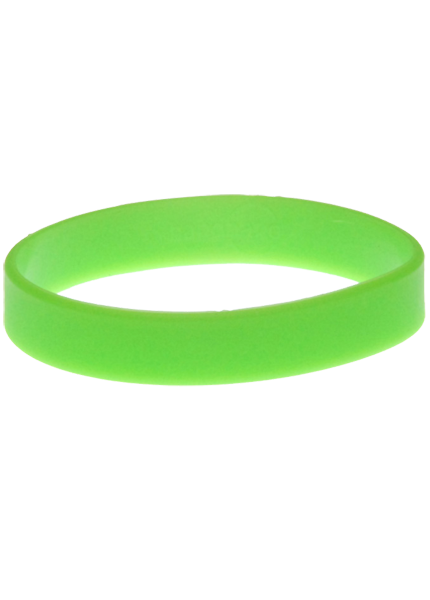
Colour is a powerful memory cue because it engages both visual and semantic processing. Assigning a specific colour to a task or category — for example, wearing a particular wristband colour as a reminder to take medication, complete a task, or maintain a habit — creates a concrete, visible trigger that keeps the commitment in your awareness throughout the day.
Reminder Wristbands: A Simple and Effective Physical Cue
Digital reminders — phone notifications, calendar alerts, to-do apps — are powerful but easily dismissed or ignored. A physical reminder wristband takes a different approach: it puts a constant, visible cue directly on your body. Every time you glance at your wrist, you are reminded of the commitment it represents.
This approach is used for habit formation, health reminders, medication schedules, and even motivational affirmations. The wristband does not require a battery, a notification, or an internet connection — it is always present.
A simple system is to assign different colours to different reminders or habits. For example, a blank black wristband might represent your commitment to daily exercise, while a purple band represents drinking enough water. Browse our silicone wristband range for colour options.
Daily Habits That Support a Stronger Memory
Physical Exercise
Regular aerobic exercise increases blood flow to the brain and promotes the growth of new neurons in the hippocampus — the region most critical for memory formation. Studies consistently show that adults who exercise regularly perform better on memory and cognitive tasks than sedentary individuals. Even a 20-minute walk has measurable short-term benefits for memory and attention.
Sleep
Memory consolidation — the process by which short-term memories are transferred to long-term storage — happens primarily during sleep, particularly during deep (slow-wave) sleep and REM phases. Chronic sleep deprivation significantly impairs both memory formation and retrieval. Prioritising seven to nine hours of sleep per night is one of the single most impactful things you can do for cognitive performance.
Nutrition for Brain Health
The brain requires a steady supply of glucose and key micronutrients to function optimally. Omega-3 fatty acids (found in fatty fish, flaxseed, and walnuts) support neuronal structure and communication. Antioxidants from berries and leafy greens help protect against oxidative stress. Hydration is also critical — even mild dehydration impairs concentration and short-term memory.
Explore our full range of personalised wristbands to find a reminder tool that fits your daily routine.




Using Technology Alongside Physical Reminders
Physical reminders and digital tools work best in combination. Use a calendar app or task manager to capture all commitments and deadlines, then use a wristband as a constant physical anchor for your highest-priority habit or task of the day. The wristband keeps the commitment front of mind without requiring you to check your phone.
Some people use a system of rotating wristbands — choosing their top-priority reminder each morning and switching bands accordingly. This daily ritual of selection also reinforces intention-setting, which itself has been shown to improve follow-through.
Memory for Older Adults
Some degree of memory change is a normal part of ageing. However, the distinction between normal ageing and pathological memory decline is important. Normal ageing might mean taking slightly longer to recall a name or losing track of where you put your keys. Pathological decline — forgetting recent events consistently, becoming confused about time or place, or struggling with familiar tasks — warrants medical assessment.
For older adults, physical reminder tools like wristbands can be particularly valuable for medication adherence, appointment tracking, and daily routine anchoring. They require no technological literacy and are always present.
Browse our wristband range for simple, colour-coded options suited to daily reminder use.
Frequently Asked Questions
April 12, 2026

Share on Facebook

Share on X

Share on Pinterest
Comment(s)
Recent Posts