Hand Sanitiser Safety: How to Store, Use, and Protect Children From Accidental Ingestion
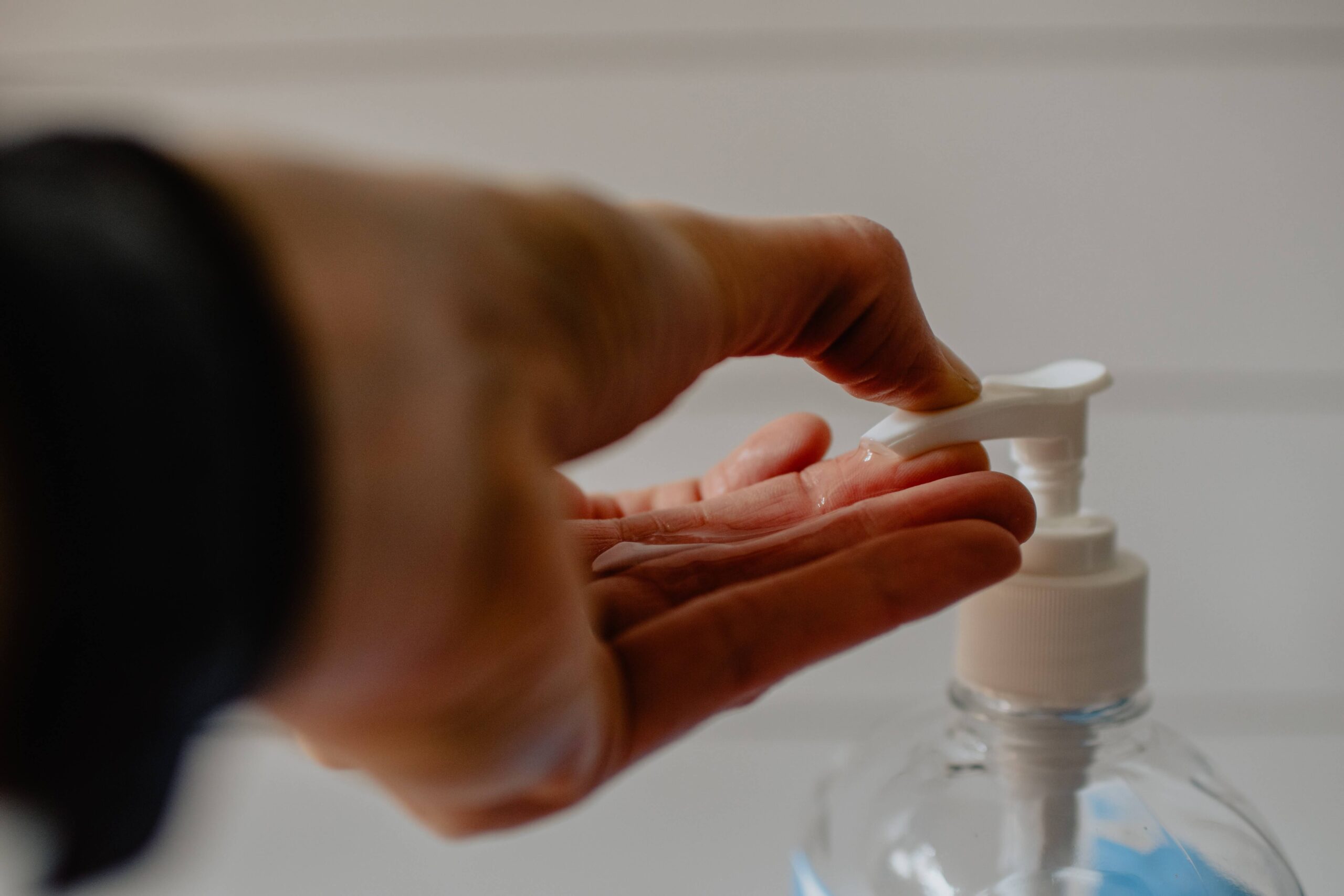
Hand sanitiser has become a staple in homes, schools, workplaces, and event venues. While it plays a vital role in preventing the spread of germs, improper storage and use can pose serious health risks, particularly for young children. Understanding how to store hand sanitiser safely, recognise the signs of accidental ingestion, and implement best practices in shared environments is essential for anyone responsible for the wellbeing of others.
Whether you are a parent, teacher, event organiser, or workplace safety officer, this guide covers everything you need to know about hand sanitiser safety in everyday settings.
Why Hand Sanitiser Can Be Dangerous if Misused
Most alcohol-based hand sanitisers contain between 60 and 95 per cent ethanol or isopropyl alcohol. At these concentrations, even a small amount ingested by a child can cause alcohol poisoning. Symptoms may include nausea, vomiting, drowsiness, difficulty breathing, and in severe cases, seizures or loss of consciousness.
The risk is compounded by the fact that many sanitiser products come in brightly coloured bottles, have pleasant fruity scents, or use packaging that can resemble food pouches or drink containers. Young children who cannot yet read labels may be drawn to these products out of curiosity.
Reports from poison control centres have shown a notable increase in hand sanitiser exposure incidents among children since 2020. In one widely reported case, an 18-month-old child was given a hand sanitiser pouch by a family member who mistook it for a juice container, highlighting just how easily these accidents can occur.
How to Store Hand Sanitiser Safely at Home
Safe storage is the first line of defence against accidental ingestion. Follow these guidelines to minimise risk in your household:
- Store out of reach: Keep all sanitiser products on high shelves or in locked cabinets, just as you would with cleaning chemicals or medications.
- Supervise young children: When children need to use hand sanitiser, apply a pea-sized amount yourself and ensure they rub it in completely before touching their face or mouth.
- Avoid food-like containers: Never transfer hand sanitiser into unlabelled bottles, drink containers, or any packaging that could be mistaken for food or beverages.
- Check labels carefully: Only purchase products that are clearly labelled with ingredients, warnings, and the Poisons Information Centre number (13 11 26).
- Keep away from heat: Alcohol-based sanitisers are flammable. Store them away from direct sunlight, stovetops, and other heat sources.
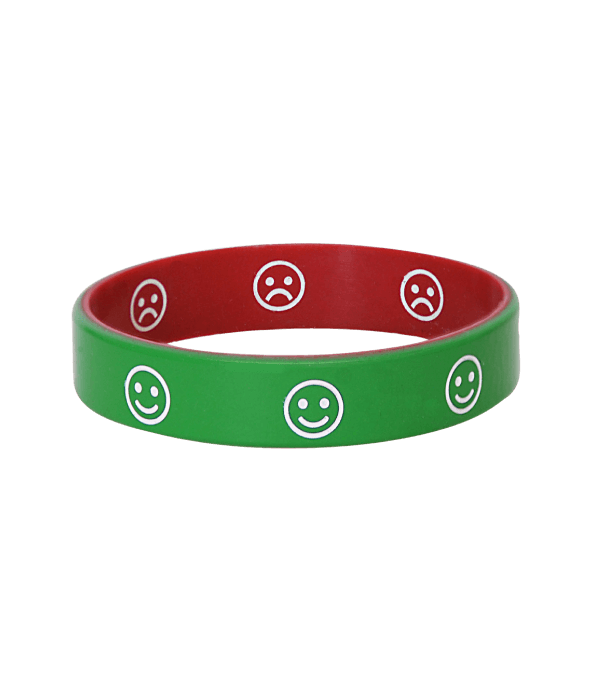
Shop Safety & Awareness Wristbands
Support your hygiene and safety programs with custom wristbands for schools, events, and workplaces.




Hand Sanitiser Safety in Schools and Childcare Centres
Schools and childcare centres face a unique challenge: they need hand sanitiser accessible for hygiene purposes, but must also protect young children from misuse. Here are practical steps for educators and administrators:
- Wall-mounted dispensers: Install pump dispensers at adult height near entry points and bathrooms. This keeps the product accessible for supervised use while out of reach for unsupervised toddlers.
- Teacher-administered application: For children under six, staff should dispense sanitiser directly onto small hands and supervise until it has dried completely.
- Education and signage: Teach children that hand sanitiser is not a toy, drink, or food. Use age-appropriate language and visual aids to reinforce the message.
- Incident protocols: Ensure all staff know what to do if a child ingests sanitiser, including calling the Poisons Information Centre immediately.

Workplace and Event Venue Best Practices
For workplaces, festivals, conferences, and sporting events, hand sanitiser stations are now expected by attendees and required by many regulations. Implementing them safely involves more than just placing bottles on tables:
- Use commercial-grade dispensers: Touchless or pump dispensers are more hygienic and reduce the risk of spillage or tampering compared to open bottles.
- Position strategically: Place stations at high-traffic entry and exit points, food service areas, and bathroom entrances.
- Monitor and refill regularly: Assign staff to check dispensers throughout events. Empty or leaking dispensers create both hygiene gaps and slip hazards.
- Provide signage: Clear signage reminding attendees to use sanitiser before entering food areas or touching shared equipment reinforces good hygiene habits.
- Pair with wristband systems: At events using entry wristbands or token bands, sanitiser stations at check-in points create a natural hygiene checkpoint before attendees enter the venue.
What to Do if Someone Ingests Hand Sanitiser
Accidents can happen despite the best precautions. If you suspect someone, particularly a child, has swallowed hand sanitiser:
- Stay calm and do not induce vomiting.
- Call the Poisons Information Centre immediately on 13 11 26 (available 24/7).
- Note the product details: Have the bottle or label handy so you can tell the operator the brand, active ingredients, and estimated amount consumed.
- Monitor for symptoms: Watch for drowsiness, vomiting, difficulty breathing, or unresponsiveness. If the person loses consciousness or has difficulty breathing, call 000 immediately.
- Do not give water or milk unless specifically instructed by the Poisons Information Centre or a medical professional.
Choosing the Right Hand Sanitiser
Not all hand sanitisers are created equal. When purchasing for your home, school, or event, look for products that meet these criteria:
- Alcohol content: At least 60 per cent ethanol or 70 per cent isopropyl alcohol for effective germ killing.
- Clear labelling: Full ingredient list, usage instructions, and the Poisons Information Centre contact number.
- Child-safe packaging: Avoid products with cartoon characters, bright food-like colours, or packaging that mimics drink containers.
- Compliant formulation: Ensure the product does not contain methanol, which is toxic even in small amounts and has been found in some imported sanitisers.
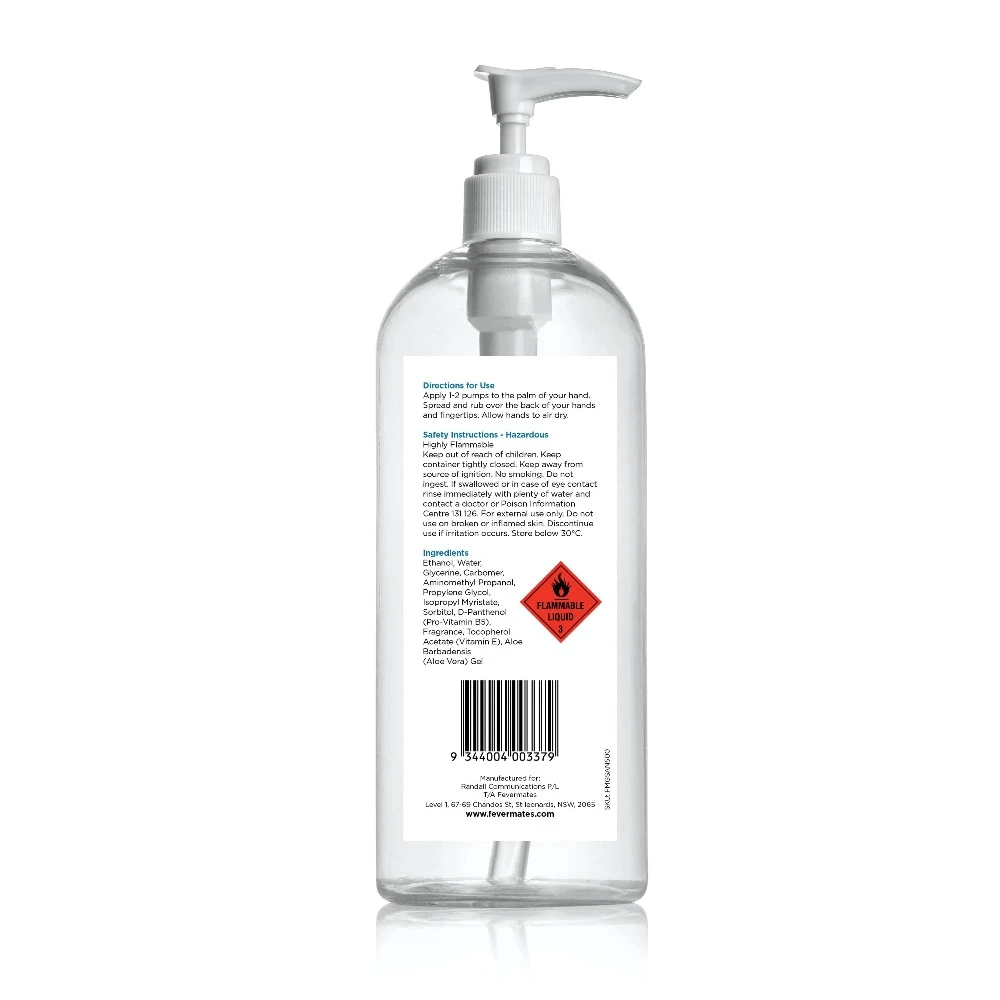
When buying in bulk for events or workplaces, choose suppliers who provide Safety Data Sheets (SDS) and can confirm their products meet Therapeutic Goods Administration (TGA) requirements.
Frequently Asked Questions
What happens if a child drinks hand sanitiser?
Even a small amount of alcohol-based hand sanitiser can cause alcohol poisoning in a child. Symptoms include vomiting, drowsiness, difficulty breathing, and in serious cases, seizures. Call the Poisons Information Centre on 13 11 26 immediately and do not induce vomiting unless instructed to do so.
How should hand sanitiser be stored safely?
Store hand sanitiser out of reach of children, ideally in a locked cabinet or on a high shelf. Keep it away from heat sources and direct sunlight as it is flammable. Never transfer it into unlabelled containers that could be mistaken for food or drink.
Is hand sanitiser flammable?
Yes. Alcohol-based hand sanitisers are highly flammable. Store them away from open flames, stovetops, direct sunlight, and heaters. At events, ensure sanitiser stations are not placed near barbecues or fire pits.
What concentration of alcohol should hand sanitiser contain?
For effective germ killing, hand sanitiser should contain at least 60 per cent ethanol or 70 per cent isopropyl alcohol. Products below this threshold may not effectively eliminate viruses and bacteria.
Can hand sanitiser replace handwashing?
Hand sanitiser is a useful alternative when soap and water are unavailable, but it does not replace proper handwashing. Soap and water are more effective at removing certain types of germs, dirt, and chemicals from hands.
April 11, 2026

Share on Facebook

Share on X

Share on Pinterest
Comment(s)
Recent Posts