How Custom Wristbands Keep Your Business Safe: Identification, Hygiene Zones, and Visitor Management
Why Businesses Are Turning to Wristbands for Safety Management
Business safety has evolved beyond fire exits and first aid kits. Modern workplaces face complex challenges: managing visitor access, enforcing hygiene zones, identifying cleared staff, and communicating status at a glance. Custom wristbands have emerged as one of the simplest and most cost-effective tools for addressing all of these challenges simultaneously.
Unlike lanyards or ID badges, wristbands cannot be easily transferred, forgotten at a desk, or removed without visible evidence. They provide persistent, wearable identification that is instantly readable from a distance — a critical advantage in busy environments where split-second identification decisions matter.
Visitor Management with Wristbands
Differentiating Visitors from Staff
In any business receiving external visitors, the ability to distinguish staff from guests at a glance is fundamental to security. Wristbands make this instant. Issue all staff a coloured silicone wristband on induction. Issue visitors a different-coloured single-use Tyvek wristband at reception. Any person without a recognised wristband is immediately visible to security or reception staff.
Time-Limited Access
Tyvek wristbands can be date-coded or colour-rotated daily so that yesterday's visitor cannot reuse their band. This eliminates the risk of unauthorised after-hours access by individuals who have retained a previous-day pass.
Tiered Access Control
Use different colours for different access levels. Red: general visitor access to reception and meeting rooms only. Blue: authorised contractor access to operational areas. Green: full-site access for senior staff and management. This colour hierarchy is instantly readable by any employee without requiring training on complex badge systems.



Hygiene Zone Enforcement
Food production, pharmaceutical manufacturing, healthcare, and laboratory environments require strict hygiene zoning. Cross-contamination between zones — where a worker moves from a lower-hygiene area to a high-hygiene area — is a leading cause of contamination events. Wristband-based zone systems create a visible, auditable control.
How Zone Wristbands Work
Assign each hygiene zone a distinct wristband colour. Workers receive the wristband for their assigned zone at the start of each shift. Zone boundaries are monitored by supervisors or access-controlled by the wristband colour system. Workers seeking to enter a higher-hygiene zone must exchange their wristband at a hygiene station after completing the required handwashing or gowning protocol.
Documentation and Compliance
Zone wristband systems provide auditability. If a contamination event occurs, reviewing which-coloured wristbands were in which zones at what time enables rapid traceability. This is particularly valuable for food safety compliance and quality assurance processes. Browse our wristband range to find the right colours for your zone system.
Colour-Coding for Shift Management
Shift rotation in large businesses can be chaotic without clear visual identification. Colour-coded wristbands instantly identify which shift a worker is on, making handover management and overtime tracking much simpler. Change wristband colours at each shift change to prevent previous-shift workers from accessing systems or areas after their authorisation period ends.
Wristbands for Staff Health Checks
Pre-shift health screenings — temperature checks, symptom questionnaires — can be coupled with wristbands to visually indicate cleared status. A worker who has completed their health check receives a green wristband. Supervisors can identify at a glance who has and hasn't been cleared without interrupting workflow to check records.
Practical Wristband Options for Business Use
Different business needs call for different wristband types:
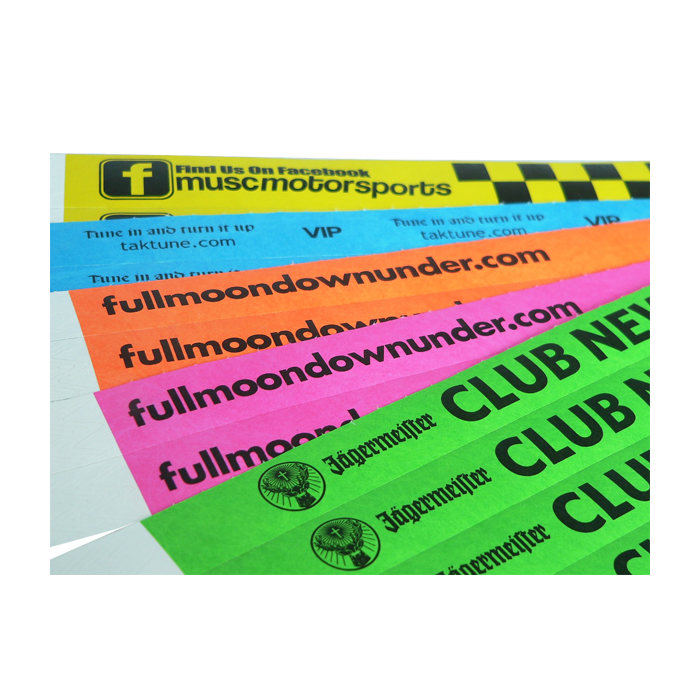
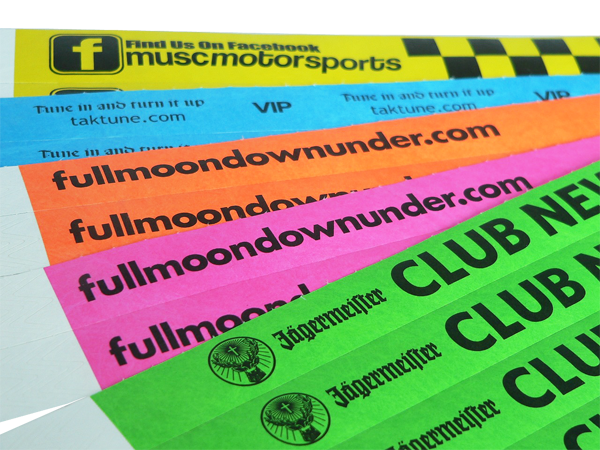
- Tyvek: Ideal for single-day visitor passes. Tamper-evident, water-resistant, low cost.
- Silicone debossed: Durable staff wristbands with company logo or messaging.
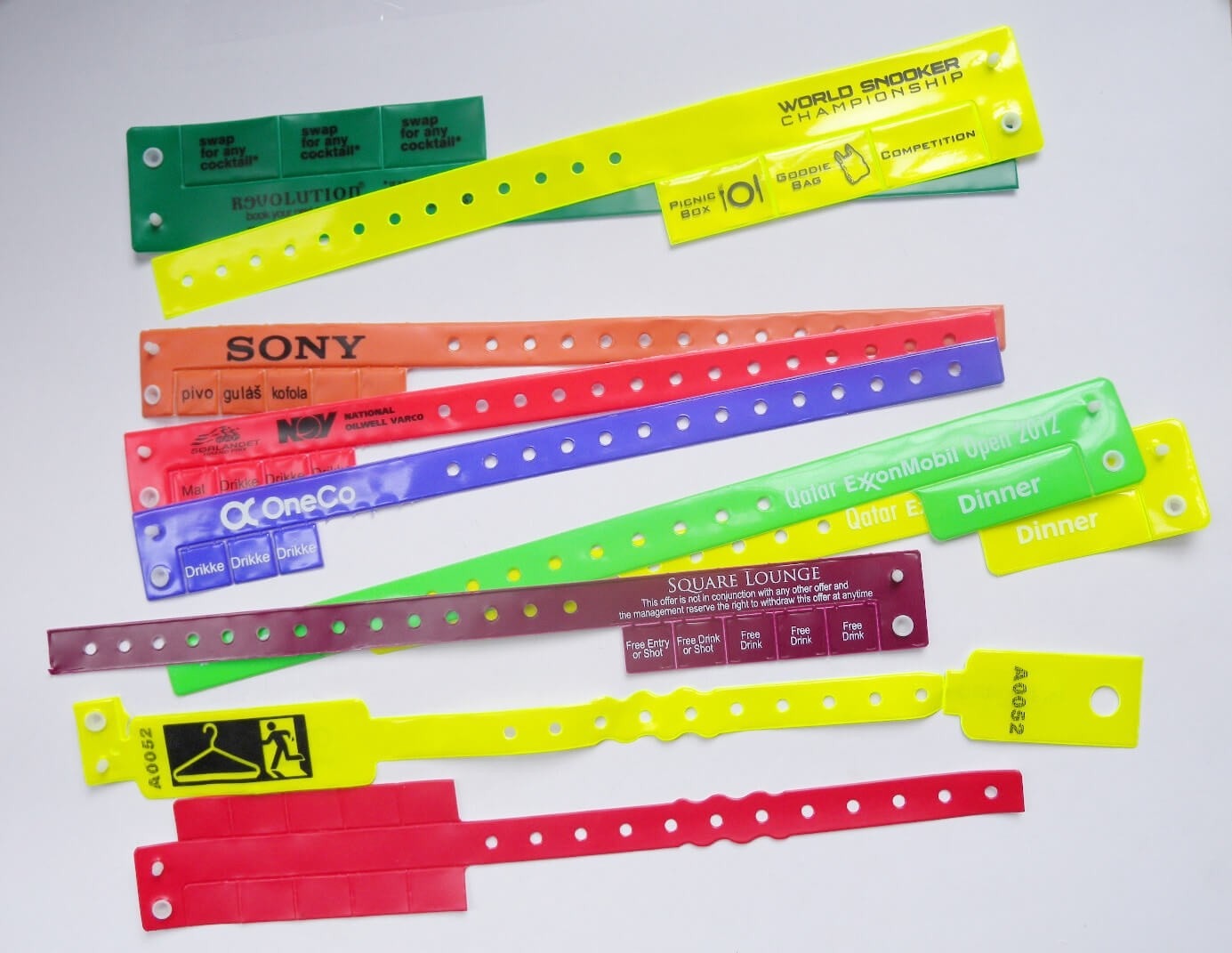
- PVC multi-tab: Printable custom data including barcodes or QR codes for access control integration.
- Blank coloured silicone: Cost-effective zone or shift identification.
See also our branded wristband options for a complete business safety system, and fast turnaround orders when you need stock quickly.
Cost-Effectiveness Compared to Electronic Systems
Electronic access control systems are expensive to install, maintain, and update. Wristband systems cost a fraction of the price, require no infrastructure investment, and can be implemented immediately. For small and medium businesses, they provide 80% of the access control benefit at 5% of the cost. They are also far more resilient to technical failures.
Implementing a Wristband Safety System in Your Business
Start simple: identify your three to five most important identification categories (staff, visitor, contractor, zone A, zone B) and assign a wristband colour to each. Order a small initial supply and run a pilot with one team. Gather feedback, refine the system, and roll out across the business. Most businesses can have a functional wristband safety system operating within a week.
Document your colour coding system in your workplace safety manual and post it at all entry points. Train new staff on the system during induction. Review and update the system annually or whenever your access requirements change.
Frequently Asked Questions
Can wristbands replace electronic access control in a business?
For many small and medium businesses, wristbands provide effective visual access control without the cost of electronic systems. They work best as a complement to other controls (locked doors, reception checks) rather than as a standalone solution for high-security environments.
How do I prevent wristband forgery or reuse?
Tyvek wristbands are tamper-evident — they cannot be removed and re-applied without visible damage. Rotating colours daily prevents reuse of previous-day bands. For higher-security applications, sequential serial numbering provides additional traceability.
What is the best wristband type for a food production facility?
Silicone wristbands are preferable in food production environments because they are detectable by metal detection systems (if they contain a metal insert), are easy to clean, and are highly visible for colour-zone management. Check with your food safety consultant for jurisdiction-specific requirements.
How many different colours do I need for a zone system?
Most businesses need three to five colours: one for each major zone or access tier plus one for general visitors. Ensure colours are clearly distinguishable under your facility's lighting conditions — avoid very similar shades such as navy and black.
April 12, 2026

Share on Facebook

Share on X

Share on Pinterest
Comment(s)
Recent Posts