How to Recognise Health Awareness Days in Your Organisation: Campaigns, Wristbands, and Engagement Ideas

Why Health Awareness Days Matter for Organisations
Health awareness days provide organisations with a powerful, ready-made opportunity to engage staff, customers, and communities on important health topics. From mental health and cancer awareness to heart health and anti-bullying campaigns, the calendar is rich with causes that resonate with diverse groups. The challenge for most organisations isn't finding a cause to support — it's turning goodwill into genuine engagement.
When done well, health awareness participation builds culture, demonstrates leadership values, and creates memorable shared experiences. When done poorly, it feels performative and generates cynicism. This guide covers practical strategies for making your health awareness campaigns genuinely impactful.
Choosing the Right Cause for Your Organisation
Align with Your Community's Needs
The most effective health awareness campaigns address causes that genuinely affect your staff or community. Survey your team to understand which health issues are most personally relevant. Mental health, cancer, diabetes, and heart disease touch almost every workplace. Anti-bullying campaigns are highly relevant for schools and youth organisations. Workplace safety campaigns suit manufacturing and construction environments.
Match the Cause to Your Brand Values
An outdoor adventure company aligning with skin cancer awareness makes intuitive sense. A school supporting anti-bullying day sends a clear message about its culture. When your chosen cause aligns authentically with your organisation's values and activities, the campaign feels genuine rather than opportunistic.



Using Coloured Wristbands for Awareness Campaigns
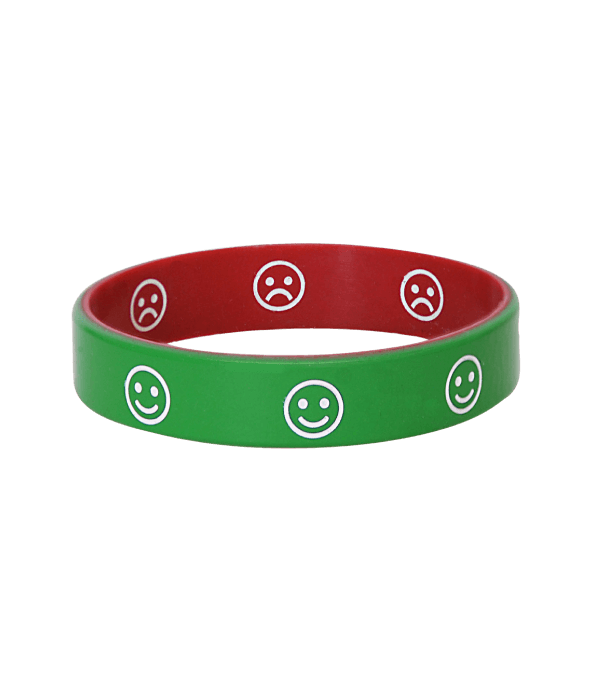
Coloured silicone wristbands became synonymous with health awareness through the Livestrong campaign of the early 2000s. Since then, they've become the universal symbol of campaign participation. Their effectiveness lies in their visibility: a wristband is worn throughout the day, prompting conversations and questions that spread awareness far beyond the original campaign.
Awareness Colour Associations
- Pink: Breast cancer awareness
- Orange: Anti-bullying, road safety
- Purple: Epilepsy, domestic violence awareness, Alzheimer's
- Yellow: Suicide prevention, endometriosis
- Red: Heart health, HIV/AIDS
- Blue: Colon cancer, prostate cancer, diabetes
- Green: Mental health, kidney health
- Teal: Ovarian cancer, food allergy awareness
Browse our full colour range at wristband products.
Engagement Ideas Beyond Wearing a Wristband
Morning Tea Fundraisers
Combine awareness with fundraising by hosting a themed morning tea. Staff donate a small amount, eat together, and receive a campaign wristband as a keepsake. The social event creates a shared memory and raises funds simultaneously. Theme the decorations to the campaign colour for maximum visual impact.
Guest Speaker Sessions
Invite a speaker with lived experience of the health issue — a cancer survivor, a mental health advocate, a disability organisation spokesperson — to speak at a lunch session or team meeting. Personal stories create empathy that statistics alone cannot. Record the session for staff who couldn't attend in person.
Information Displays and Resources
Set up a display in the staffroom, foyer, or common area with information brochures, statistics, and resources for the awareness cause. Include QR codes linking to support organisations. Pair the display with a bowl of wristbands staff can take as a sign of support.
Social Media Campaigns
Encourage staff to share photos wearing their awareness wristband with a campaign hashtag. This extends your organisation's reach far beyond your own walls and demonstrates public commitment to the cause. Brief staff on the campaign message so their posts are accurate and on-point.
Schools and Awareness Campaigns
Schools have unique opportunities to integrate health awareness into the curriculum. Anti-bullying day can be paired with classroom discussions on respectful relationships. Mental health awareness week can include mindfulness activities and journaling exercises. Wristbands become conversation starters and belonging symbols for students. Explore our school wristband options for awareness campaigns, and our fundraising wristbands for charity tie-ins.
Planning Your Awareness Campaign Calendar
Build an annual calendar of awareness days relevant to your organisation. Choose two to four per year to focus on deeply rather than superficially acknowledging every awareness date. Allocate budget, assign a campaign coordinator, order wristbands and materials six to eight weeks in advance, and plan your internal communications schedule. Consistency across years builds genuine organisational commitment to health.
Measuring Campaign Effectiveness
Track participation rates, social media reach, funds raised, and anecdotal feedback from staff. Survey staff before and after the campaign to assess changes in awareness, attitudes, or intended behaviours. Share results with the team to demonstrate that their participation had real impact. Use this data to refine future campaigns.
Making Every Awareness Day Count
Health awareness days are most powerful when they spark conversations that continue after the day itself. A well-worn wristband, a remembered story from a guest speaker, a fundraising total celebrated in the team newsletter — these are the lasting outcomes that justify the investment in awareness campaigns. Start small, be authentic, and build on each campaign's lessons for the next.
Frequently Asked Questions
How far in advance should I order wristbands for an awareness campaign?
Order six to eight weeks in advance for custom-printed wristbands to allow for design, production, and shipping. Blank coloured wristbands can often be sourced more quickly. Large orders for organisation-wide campaigns should be placed even earlier.
Can I use multiple wristband colours for a single campaign?
Yes. Some campaigns use multiple colours to represent different sub-causes or participation tiers. Ensure colours are clearly distinct and accompanied by a simple colour key so participants understand what each represents.
What message should I deboss or print on an awareness wristband?
Keep it short and memorable: a campaign name, a web address for more information, or a one-word message such as COURAGE or TOGETHER. Avoid long sentences — wristband space is limited and brevity is more impactful.
Are awareness wristbands tax-deductible?
This depends on your jurisdiction and how the purchase is classified. If wristbands are purchased for a fundraising activity and proceeds go to a registered charity, partial deductibility may apply. Consult your accountant for advice specific to your situation.
April 12, 2026

Share on Facebook

Share on X

Share on Pinterest
Comment(s)
Recent Posts