ADHD Life Hacks: How Wristbands, Fidget Tools, and Simple Strategies Help You Stay Focused
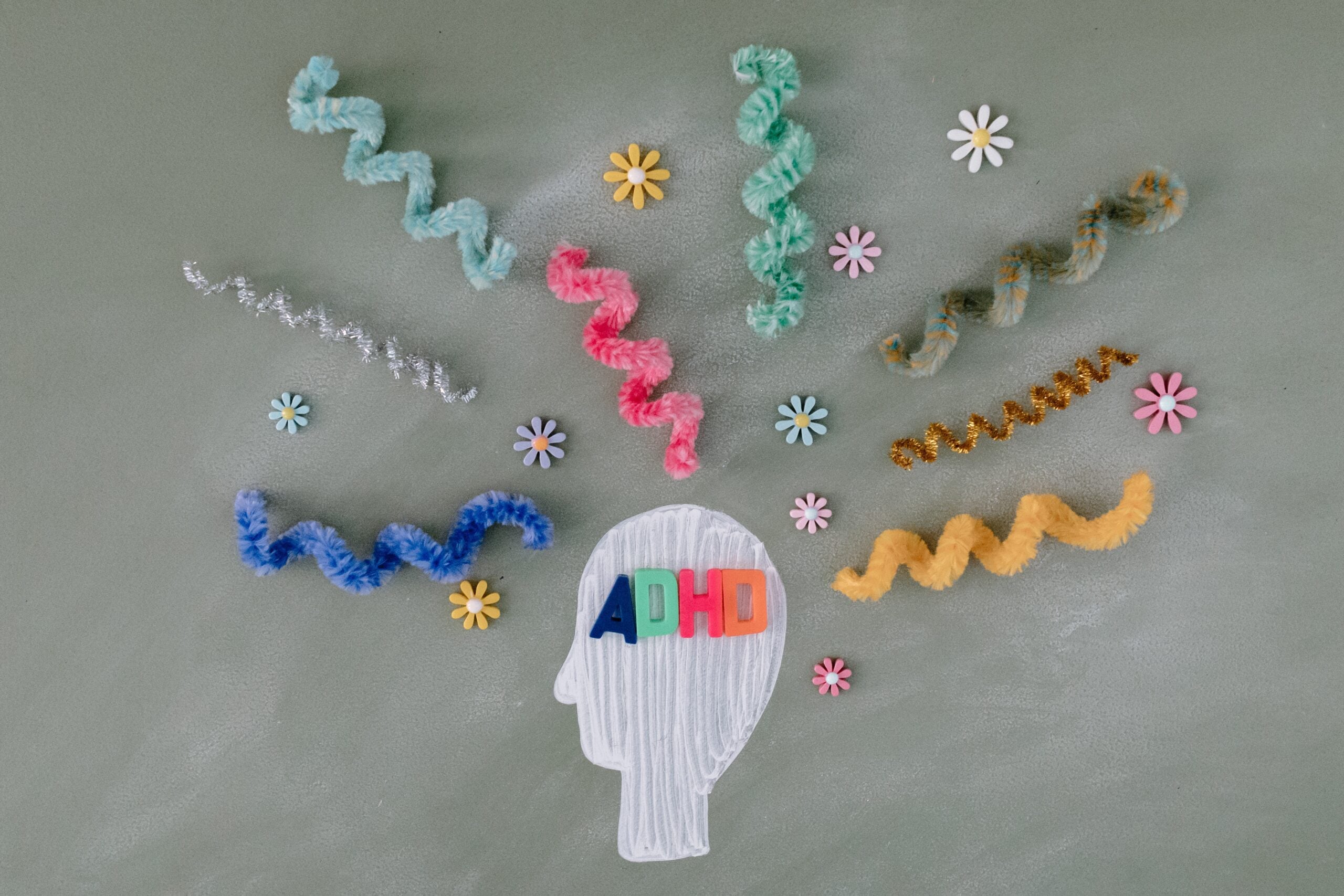
Why ADHD Management Needs Creative, Practical Tools
Attention Deficit Hyperactivity Disorder (ADHD) affects millions of people worldwide, yet everyday environments are rarely designed with neurodiverse minds in mind. Workplaces, classrooms, and social settings tend to reward sustained focus, linear thinking, and calm stillness — three things that can feel genuinely difficult when your brain is wired differently. The result? A daily struggle that goes far beyond "just paying attention."
The good news is that small, tangible tools and environmental tweaks can make a significant difference. From sensory wristbands and fidget aids to structured planning systems and movement breaks, there is a growing toolkit of ADHD-friendly strategies that work in the real world. This guide explores the most effective life hacks, with a focus on wearable and tactile tools that help anchor attention and ease the overwhelm of daily life.
The Science of Sensory Grounding for ADHD
Many people with ADHD find that their minds drift most when their bodies are under-stimulated. This is why fidgeting — far from being a bad habit — is often a self-regulating behaviour. Movement and tactile input send signals to the brain that help maintain alertness and focus. Research increasingly supports the idea that sensory tools, including wristbands and textured objects, can serve as "anchor points" for wandering attention.
Wristbands work especially well because they are always present on the body without requiring active thought. A person can reach down, stretch the band, snap it gently, or simply feel its texture — all while continuing to listen in a meeting or follow along in class. This background stimulation keeps the nervous system at a level of arousal that supports focus rather than inviting daydreaming.
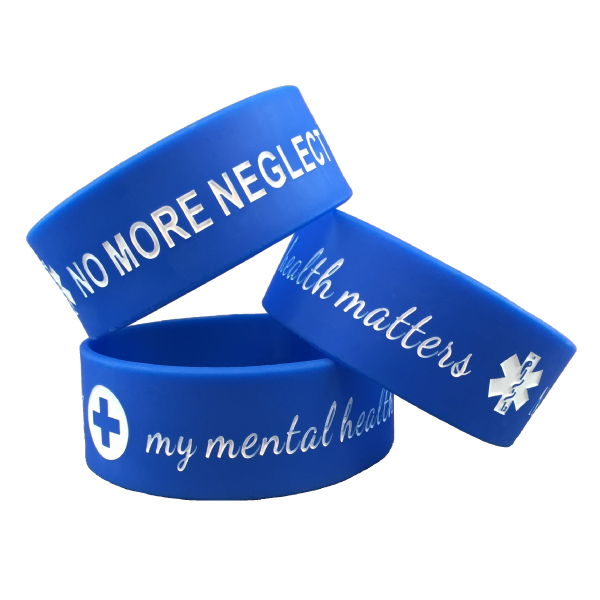
Awareness wristbands also carry a social and emotional dimension. Wearing something that signals "this is who I am" or "this cause matters to me" can provide a quiet boost of identity and self-acceptance — both important for people with ADHD who often face criticism and self-doubt. Explore our full range of silicone wristbands to find options that suit different sensory needs.
Time Blindness: One of ADHD's Most Challenging Symptoms
People with ADHD often experience what is known as "time blindness" — a difficulty perceiving the passage of time accurately. While neurotypical people have an internal sense of how long tasks take, those with ADHD may feel that minutes fly by or drag on unpredictably. This makes appointments, deadlines, and transitions genuinely hard to manage.
Effective hacks for time blindness include:
- Visual timers: Tools like the Time Timer show time passing as a diminishing coloured segment, making abstract time concrete.
- Body doubling: Working alongside another person (even virtually) creates accountability and helps sustain focus.
- Wearable reminders: A wristband in a specific colour or texture can serve as a physical cue — when you feel it, you remember your next task or commitment.
- Chunked schedules: Breaking the day into short, defined blocks (the Pomodoro Technique, for example) reduces the overwhelm of open-ended time.
Environment Design: Setting Up for ADHD Success
One of the most impactful ADHD hacks is designing your environment so that good behaviour requires the least possible effort. Rather than relying on willpower — which is unreliable for everyone but especially challenging with ADHD — the goal is to make the right choice the easy choice.
Reduce Visual Clutter
A cluttered desk creates a cluttered mind. Keeping your workspace minimal — only what you need for the current task — reduces the number of items competing for your attention. Use trays, folders, and closed storage to keep the visual field clean. Some people with ADHD find that a single meaningful object on the desk, like a wristband or a stone, acts as a focal point that helps them "return" their attention when it wanders.
Use Colour as a Cue System
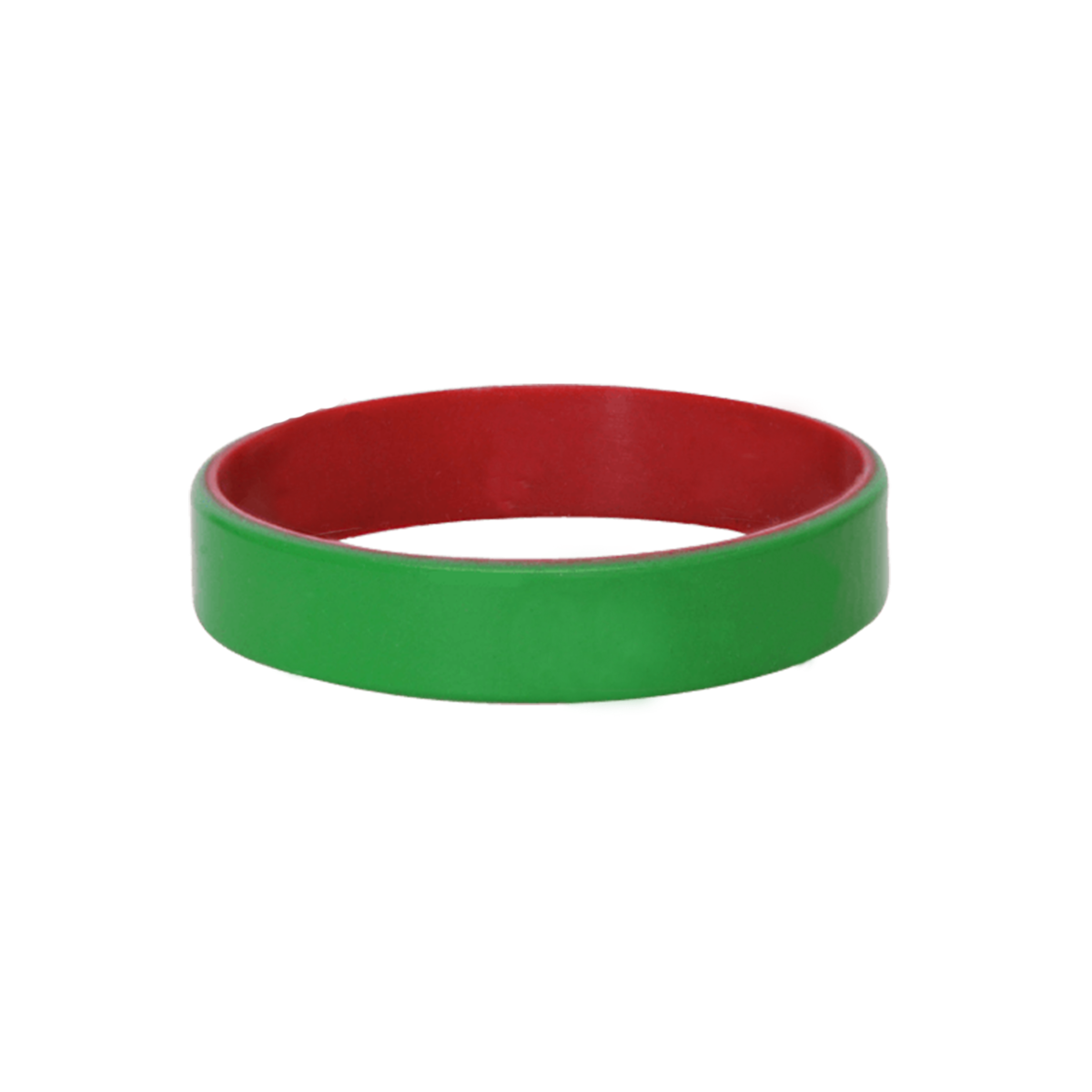
Colour coding is a powerful tool for ADHD minds that respond well to visual categorisation. Assign specific colours to subjects, projects, or priority levels. This extends to wristbands: wearing a particular colour on a particular day can signal a theme or goal — "today is a blue focus day" or "this green band means I'm in study mode." Visit our products page to see the full colour range available.
Movement and Exercise: Nature's ADHD Medication
Exercise is one of the most well-researched interventions for ADHD. Physical activity increases dopamine and norepinephrine levels in the brain — the same neurotransmitters targeted by ADHD medications. Even brief movement breaks of five to ten minutes can restore focus for up to an hour.
Building movement into your day doesn't have to mean a full gym workout. Short walks, stair climbing, jumping jacks, or even desk stretches all count. Some people with ADHD find that wearing a fitness wristband or tracking steps helps gamify movement and provides the dopamine boost that comes with hitting small goals.
For younger people with ADHD, structured movement — like a quick school break activity or a sport that requires full-body coordination — can be especially beneficial. Schools and parents looking to support ADHD students may find our range of school wristbands useful for creating structured, colour-coded routines.
Social and Emotional Strategies for ADHD
ADHD doesn't just affect focus — it also impacts emotional regulation, social relationships, and self-esteem. People with ADHD often experience stronger emotional reactions, struggle with transitions, and face higher rates of anxiety and depression as a result of years of feeling "different."
Some strategies that help:
- Name your emotions: Practising emotional labelling — "I feel frustrated" rather than acting on the feeling — reduces the intensity of emotional responses over time.
- Wearable affirmations: A wristband with a word, phrase, or colour that represents your values or goals can serve as a micro-moment of self-compassion when things get hard.
- Find your tribe: Support groups, online communities, and ADHD coaches provide understanding and practical strategies in a non-judgmental space.
- Communicate needs clearly: Letting teachers, colleagues, or partners know what helps you — whether that's written instructions, more check-ins, or permission to fidget — reduces misunderstandings and resentment.
Awareness campaigns using wristbands can also play a role in normalising ADHD in schools and workplaces. A simple silicone band worn by an entire class or team signals inclusion and solidarity, reducing the stigma that many with ADHD carry quietly.
Frequently Asked Questions
Can wristbands really help with ADHD focus?
Yes — for many people with ADHD, tactile stimulation from a wristband helps regulate sensory input and provides a grounding anchor. The act of touching or stretching a band provides just enough physical feedback to keep the nervous system alert without becoming a full distraction.
What are the best low-effort hacks for ADHD?
Environmental design (clear workspace, colour coding), visual timers, body doubling, and wearable reminders are all highly effective because they reduce the cognitive load of self-regulation. The less willpower required, the more sustainable the strategy.
Are awareness wristbands good for ADHD campaigns in schools?
Absolutely. Custom silicone wristbands are a cost-effective way to raise awareness about neurodiversity in school settings. They create visual solidarity, open conversations, and can be colour coded to represent different aspects of ADHD awareness.
How does exercise help ADHD symptoms?
Exercise increases dopamine and norepinephrine — the same brain chemicals that ADHD medications target. Even short bursts of physical activity can improve focus, reduce impulsivity, and lift mood for hours after the session.
April 12, 2026

Share on Facebook

Share on X

Share on Pinterest
Comment(s)
Recent Posts