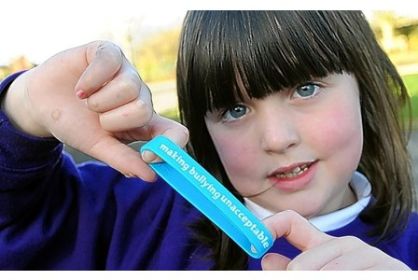

Few things drive a cause-awareness wristband campaign harder than a celebrity wearing the band. When big-name athletes and entertainers were spotted wearing wristbands made by an ECU graduate to support a cause, photos of those bands appeared on every fan-Twitter feed and student-paper website within hours. The campaign sold out, the cause spread, and a small student-led project briefly took over a national news cycle.
That story is one specific 2013 case, but the celebrity-wristband-amplification pattern repeats every year. From Livestrong yellow to charity-purple, well-photographed wristbands on famous wrists move the needle in ways no paid advertising can. This guide unpacks how that amplification actually happens, what student campaigns can learn from it, and the realistic non-celebrity tactics that get cause wristbands seen widely.
Why Celebrity Sightings Drive Wristband Sales
Three factors make wristbands uniquely good at celebrity-amplification:
- Visible at hand-shake distance. A celebrity wearing a wristband is instantly photographed every time they wave or sign autographs.
- Implies endorsement without contract. A celebrity with a wristband doesn’t have to formally back the cause — the wear is the endorsement.
- Cheap to gift. You can mail 20 bands to publicists for 0 and any one being worn is a win.
The Amplification Math
A typical celebrity wristband appearance generates:
- 500-5000 paparazzi photos within a week (depending on celebrity tier)
- 1-3 fan-blog write-ups asking “what is that wristband?”
- A 2-5x sales spike for the cause within 14 days
The downside: it’s unpredictable. You can’t plan a campaign assuming celebrity uptake. You can plan a campaign that’s ready for it.
Recommended for you
Products related to this article
Hand-picked to go with what you just read.
How Student-Led Campaigns Get Celebrity Attention
Most student-led wristband campaigns won’t reach a celebrity, but the ones that do share a few patterns:
- A specific, sympathetic cause. A classmate’s illness, a community tragedy, a peer’s passing — concrete and emotional.
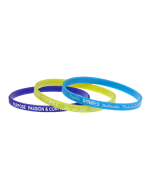
- A clean, well-designed band. If the design looks amateur, celebrities won’t wear it. Invest in proper debossing, not screen-printed text.
- Mailed to celebrity via the right channel. Direct mail to publicists works better than cold-DM-ing the celebrity.
- A press-friendly story. The campaign should have a clear narrative arc that journalists can write up easily.
Realistic Non-Celebrity Amplification Tactics
Don’t plan around celebrities you don’t know. Plan around tactics you control:
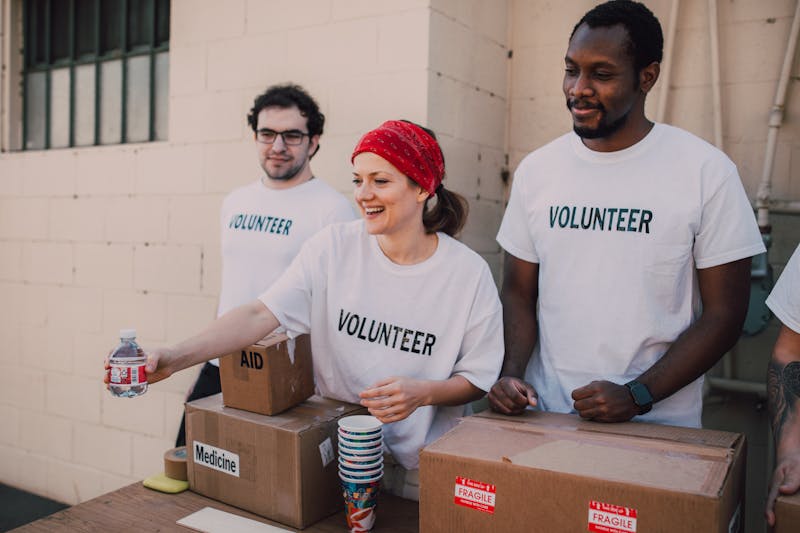
- Local reporter outreach. Email the local paper’s community-news desk with a 2-paragraph story and one photo. They run it.
- School newspaper coverage. Student journalists love a peer-led campaign story.
- Sports-team adoption. If the school team starts wearing the bands, photos at every game generate amplification.
- Community organisation partnerships. Lions, Rotary, church groups give you a pre-built audience.
- Social-media tagging. Photo posts that tag the affected family, school, and cause organisation get reshared.
See how-wristbands-inspire-students piece for more on student-led campaign mechanics.
The Design That Makes Celebrities Want to Wear It
Celebrity stylists vet what their clients wear. Bands that get worn share a few traits:
- Clean typography. Plain capitalised sans-serif beats fancy script.
- Single-colour band, contrasting text. Black-on-yellow, white-on-pink, white-on-purple. High contrast photographs better.
- Cause word, not slogan. “LIVESTRONG” beats “NEVER GIVE UP HOPE”. Short = readable in photos.
- No URL. URLs look like advertising, which celebrities avoid.
Read our awareness-campaign design piece for more on what makes a cause-awareness band visually effective.
Common Student-Campaign Mistakes
- Cheap, screen-printed bands. The print rubs off in days. Spend the extra /bin/bash.50 per band on debossing.
- Too much text. If celebrities can’t read the cause word in a 1-second glance, the band fails as awareness tool.
- No press contact ready. When a celebrity is spotted wearing the band, you have 48 hours to capitalise. Have your press email ready.
- Ordering too few. If amplification works, you sell out in days. Order at least 1000 bands for any serious campaign.
Browse our Branding category for the full product range with bulk pricing for awareness campaigns.
Closing Thought
The 2013 ECU campaign got lucky — the right celebrities saw the right bands at the right moment. But the campaign was also ready: clean design, sympathetic cause, enough bands in stock. Luck favours the prepared. Build a wristband campaign that’s good enough that celebrity attention could arrive without breaking your supply chain. The amplification might not happen. But if it does, you’ll be ready.
Frequently Asked Questions
How do you get a celebrity to wear your cause wristband?
Mail 10-20 bands to celebrity publicists with a one-page story about the cause. Don't cold-DM the celebrity directly — that gets ignored. The publicist passes promising bands to clients. Acceptance rate is low (under 5%) but each acceptance generates outsized amplification.
What design choices make a wristband more likely to be worn by famous people?
Clean sans-serif typography, single-colour band with high-contrast text, one cause word (not a slogan), and no URL. Celebrities and stylists prefer minimal, photogenic designs. Screen-printed bands or busy designs are usually rejected.
How many wristbands should we order for an awareness campaign?
At least 1000 for any serious campaign. If amplification works, you can sell out in 48-72 hours, and a 2-week reorder gap kills momentum. Start with 1000-2000 and reorder fast if demand spikes.
What should we do if a celebrity is spotted wearing our band?
Have a press release and contact list ready before launch. The 48-hour window after a spotting is when journalists will write up the story. A pre-prepared 2-paragraph press email and a clean photo gets coverage; a delayed reply doesn't.
Are student-led wristband campaigns effective without celebrity attention?
Yes — most are. Local-paper coverage, school-newspaper write-ups, and sports-team adoption typically raise ,000-,000 for student-led tribute or awareness campaigns. Celebrity amplification adds a 2-5x multiplier on top.

Written by
Founder, Handband
Founder of Handband; specialist in custom wristbands and promotional products for events, schools, charities, and brands.
← Previous
Bracelets for Brooke: How a Personal Tribute Bracelet Campaign Works (2026)
Next →
School Fundraising and More: How Wristbands and Multibandz Power School Drives in 2026
Comment(s)