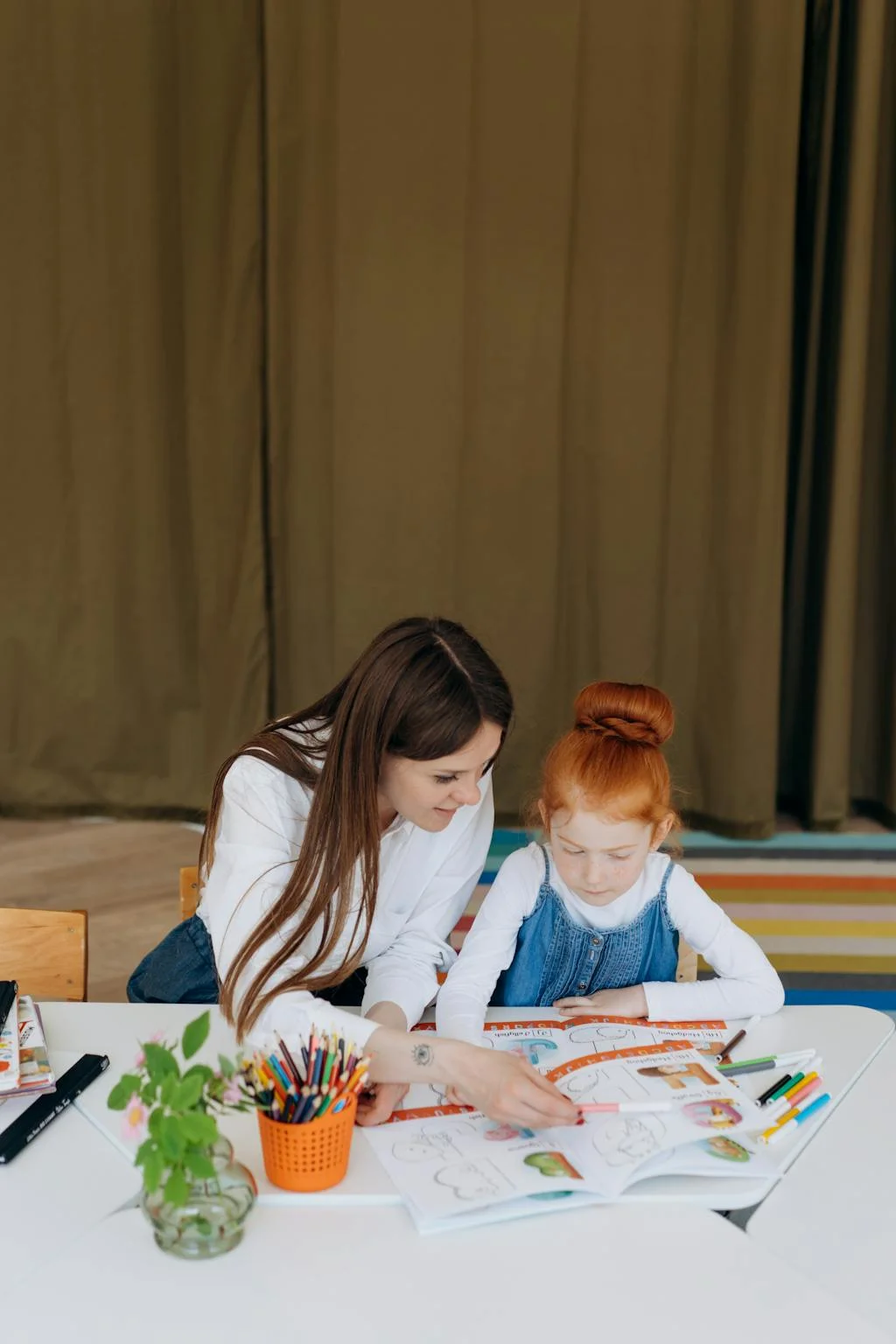
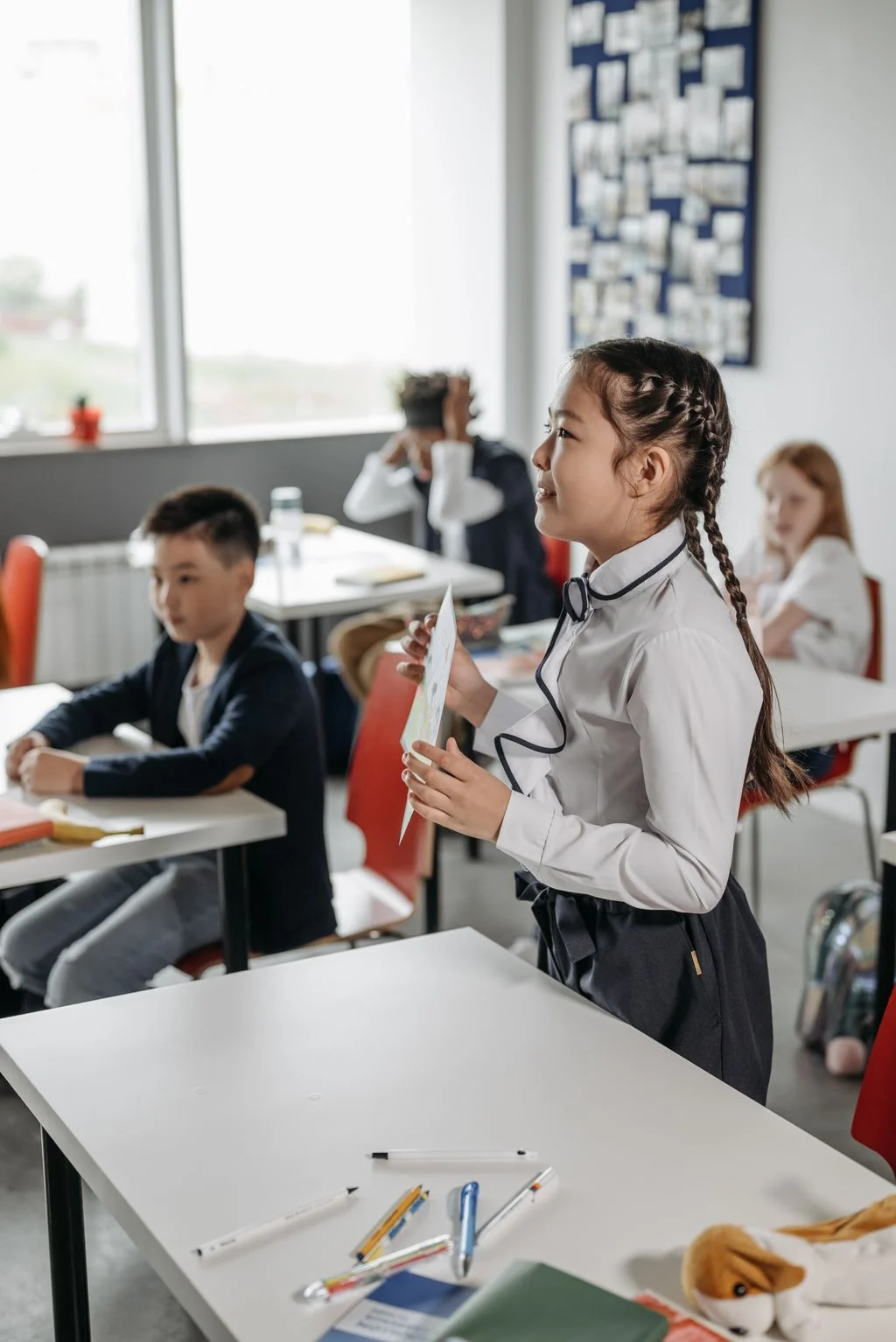
Kids can absolutely start their own awareness campaign — they need a cause they genuinely care about, one visible symbol people can wear, and an adult to help with money handling. A nine-year-old in Bend, Oregon proved it: his simple "it's good to be kind" wristband idea spread through his whole school before a single teacher got involved.
Why child-led campaigns work better than adult-run ones
When a child asks a classmate to wear a wristband for kindness, there is no corporate agenda behind it — and everyone can feel that. Peer-to-peer campaigns consistently out-perform teacher-led programs on participation because kids trust kids. The campaign also teaches the founder real skills: goal-setting, public speaking, handling small budgets and coping with a "no".
Step 1 — Help them pick ONE clear message
The strongest child-led campaigns are one sentence long: "It's good to be kind." "Look out for the new kid." "Say hi to someone sitting alone." Resist the urge to polish it into adult language — the kid-phrasing is the asset. That phrase goes on the wristband, the poster and every conversation.
Recommended for you
Products related to this article
Hand-picked to go with what you just read.
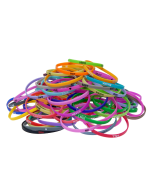
Step 2 — Choose a symbol classmates will actually wear
Wristbands beat stickers and badges because they survive the washing machine and stay on for weeks, repeating the message daily. Three formats work especially well for kids' campaigns: printed fabric wristbands for a festival feel that older kids respect, high-visibility neon green bands that make wearers easy to spot across a playground, and conversation-starter wristband bundles with fun phrases that get classmates asking "where did you get that?"
Step 3 — Set a target a child can own
"Get 100 kids wearing the band by the end of term" is a better goal than "raise awareness". It is countable, and the founder can track it on a wall chart. If money is involved, keep the maths simple: bands that cost about a dollar each and sell for a gold coin donation double the money — a lesson in itself.
Step 4 — The adult's job: logistics, not leadership
- Ordering: a parent or teacher places the wristband order and checks lead times (custom printing typically takes 10–14 business days).
- Money: all cash goes through a parent, the school office or the P&C — never a child's bag.
- Permission: a quick note to the principal keeps the campaign welcome on school grounds.
- Safety: keep surnames and photos of the child founder off public social media.
Ideas that helped real campaigns spread
Launch on a themed day (Harmony Day, R U OK? Day), ask the principal to wear one at assembly, and let the founder tell the story in their own words — a 60-second assembly speech beats any poster. Some schools nominate "kindness spotters" who hand a band to a student caught doing something kind, which turns the wristband into a badge of honour rather than merchandise.
What it costs
A 100-band campaign typically lands under $150 with blank stock bands, or a little more for custom printing. Blank neon bands ship fast in five sizes from child to adult XL, so a mixed order covers Year 1 wrists and teachers alike. Browse the wider school wristbands range to compare formats.
References
- Raising Children Network — children's participation and agency
- Be You (Beyond Blue) — student-led wellbeing initiatives in Australian schools
- R U OK? — education resources for schools
Frequently Asked Questions
Frequently Asked Questions
Quick answers from the Handband team
What age can a child start an awareness campaign?
From about age seven, with an adult handling money and ordering. The child owns the message, the goal chart and the playground conversations; the adult owns logistics, permissions and cash handling.
How many wristbands should we order first?
Start with 100. It is enough to look real at assembly, cheap enough that leftovers don't matter, and a re-order takes only 10–14 business days if the campaign takes off.
Should the bands be given away or sold?
Both work. Give-aways maximise spread; a gold-coin donation adds a fundraising lesson and roughly doubles the money spent on the order. Many campaigns give the first 20 away to seed visibility, then sell the rest.
What wristband type is best for primary-school kids?
Soft silicone in child sizing is the everyday winner. Printed fabric bands suit older kids who want a festival look, and neon colours help a campaign stand out across a busy playground.
Do we need school permission?
Yes — a short note to the principal covering the message, how money is handled and who the supervising adult is. Most schools say yes quickly to kindness and inclusion themes.
How do we keep momentum after launch week?
Set a visible counter (bands worn / target), refresh with a second colour at mid-term, and hand the story to the school newsletter. Campaigns fade when the founder stops talking about them — keep the child front and centre.
Can the campaign raise money for a charity?
Absolutely. Pick one registered charity, say the split out loud ("half of every coin goes to X"), and have the P&C or office remit the funds so the accounting is clean.

Written by
Founder, Handband
Founder of Handband; specialist in custom wristbands and promotional products for events, schools, charities, and brands.
← Previous
School Charity Drive Ideas That Actually Work
Next →
Jersey City boy's 'Hurricane Sandy Relief' bracelets have already raised $1,000
Comment(s)